
Last updated November 16, 2026
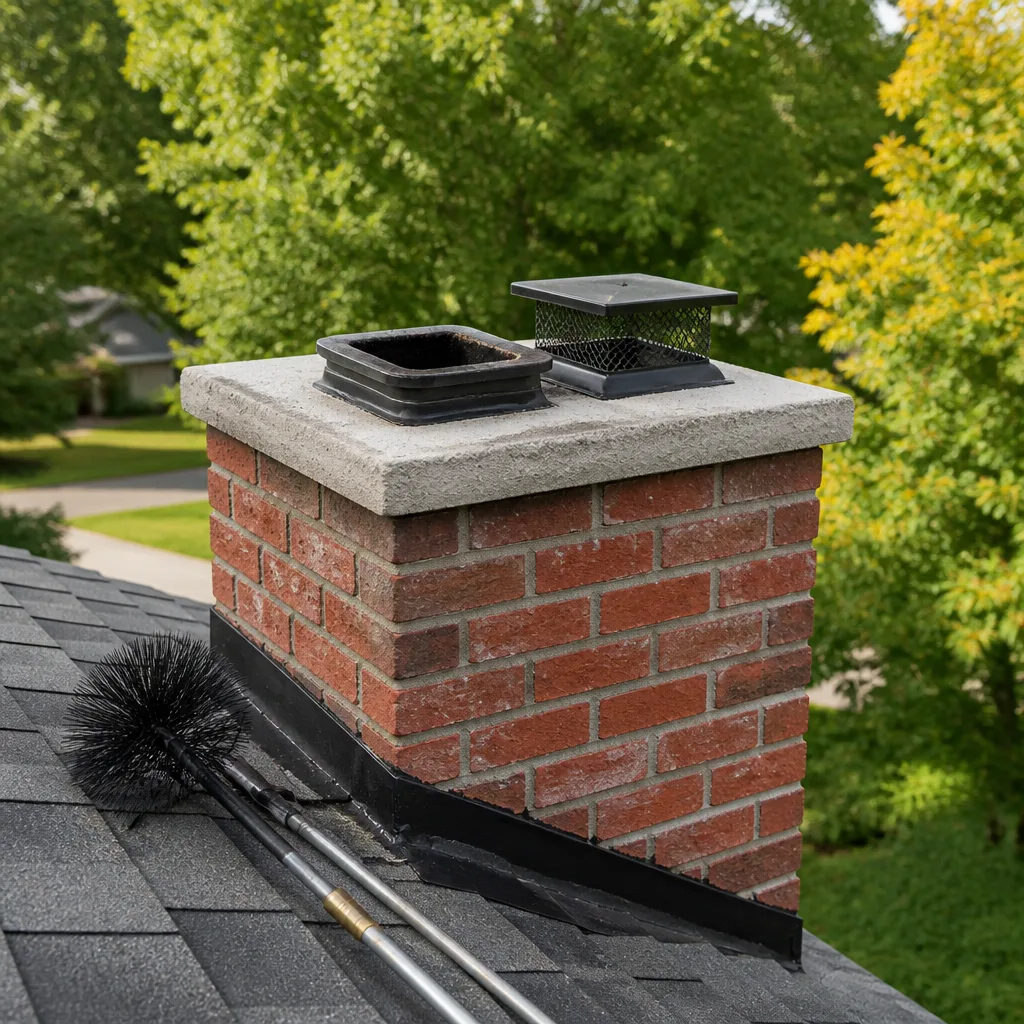 Sweep & inspection
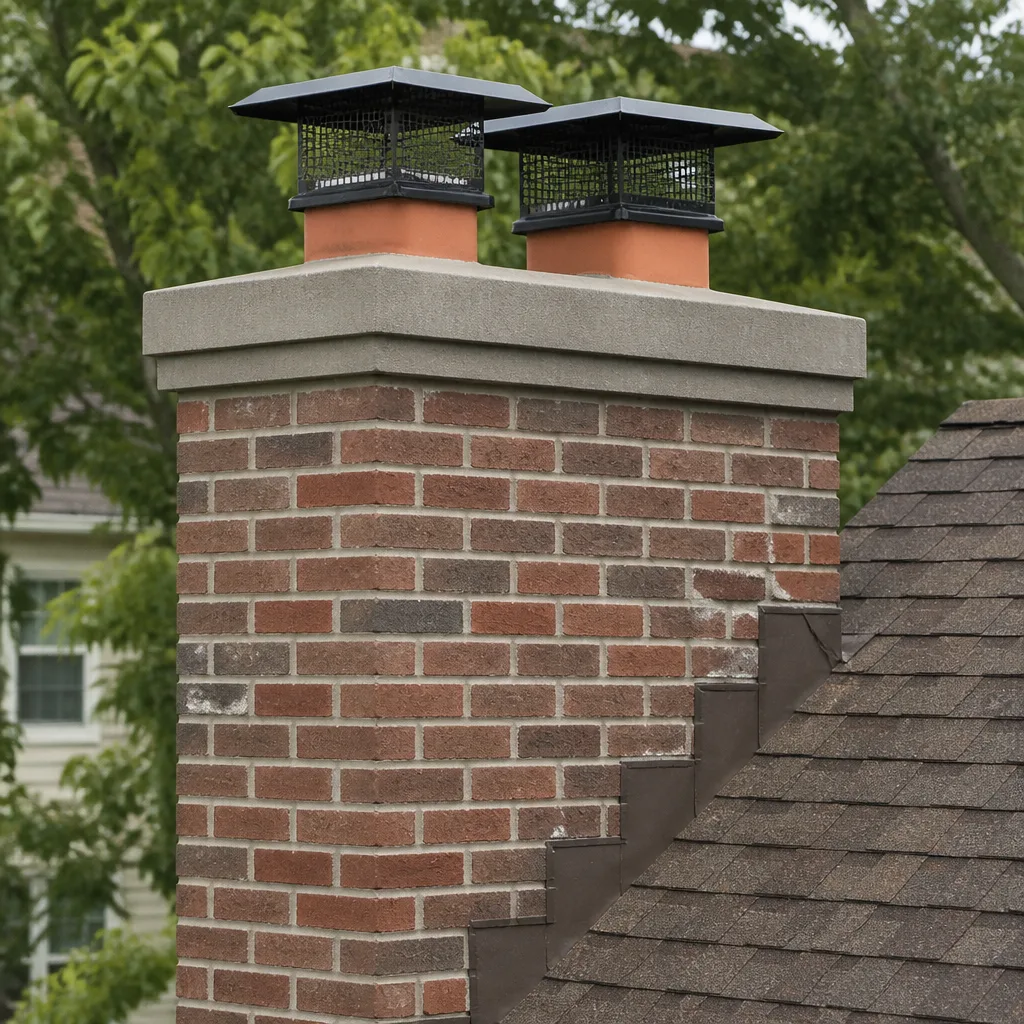 Caps & crowns
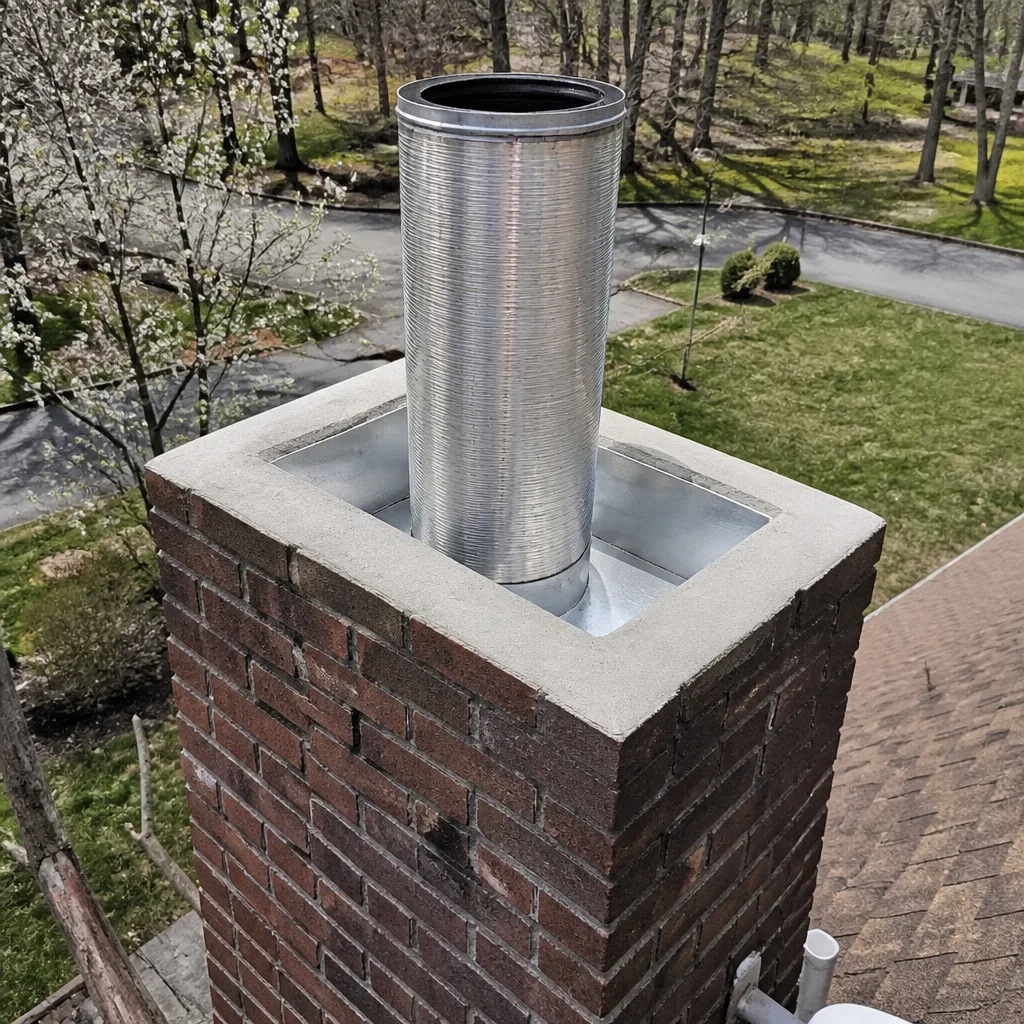 Flue relining
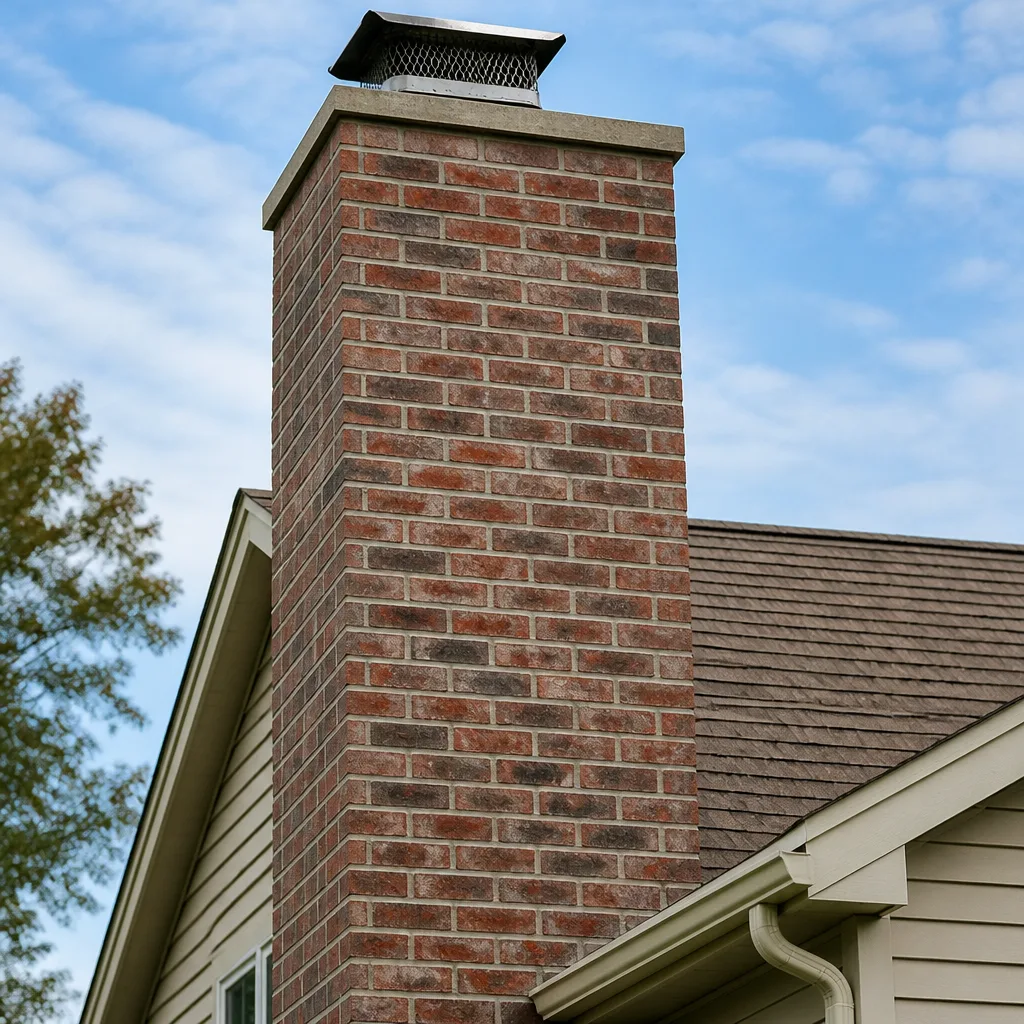 Masonry repair
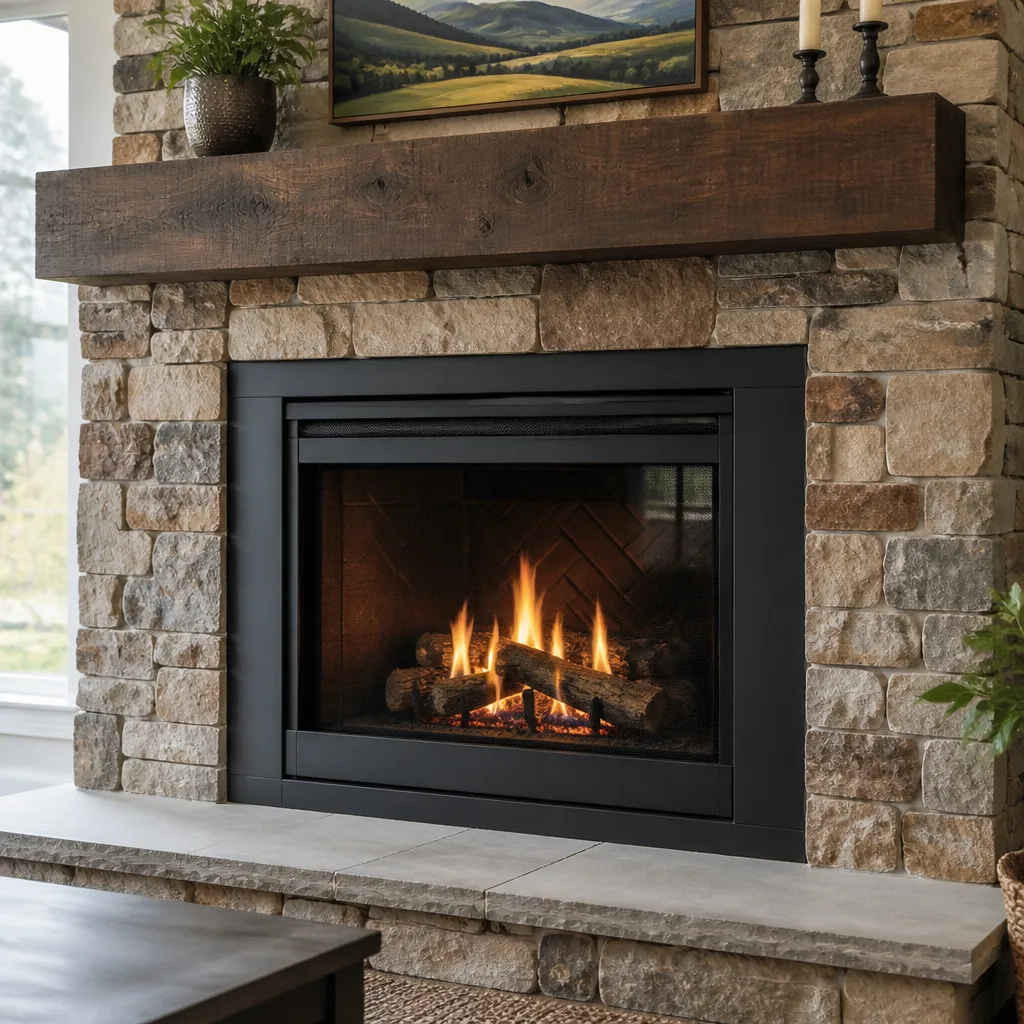 Gas fireplace service
Level 1 sweep and inspection to the NFPA 211 annual standard - flue, crown, cap, and flashing checked and photographed
Chimney sweep logs do not sweep chimneys. They loosen some creosote - which then falls where a brush and vacuum still have to collect it.
The Complete Guide to Chimney Cleaning in West Valley City
Most homeowners think of their fireplace as a comfort appliance. During a Salt Lake Valley inversion, it’s closer to a pressurized system. When cold air gets trapped under a warm layer overhead, the outside air pressure shifts, and your chimney has to push exhaust into an atmosphere that doesn’t want to accept it. That backdraft doesn’t just make fires smoky. It slows the draft enough that creosote condenses on the flue walls faster than it would in a place with steady airflow, and most homeowners have no idea their buildup rate changed with the weather. This guide covers what that means for cleaning schedules in West Valley City, how inspections actually work, what liner materials hold up to our freeze-thaw cycles, and what a real professional visit looks like from start to finish.
Quick Answer
Chimney cleaning in West Valley City means sweeping creosote and soot from the flue, then inspecting the whole system to confirm it’s safe to burn again. Most wood-burning fireplaces need it once a year or after about a cord of wood, whichever comes first, and homes that burn heavily through inversion season often need it sooner. A professional visit includes a camera inspection and a written report of what we found, and the price is set per job by a written estimate before any work begins.
Styles & brands we work with
- Sweep & inspection
- Caps & crowns
- Flue relining
- Masonry repair
- Gas fireplace service
Table of Contents
- Why West Valley City Inversions Change Your Creosote Timeline
- NFPA 211 and What Level 1 vs Level 2 Inspections Actually Cover
- The Difference Between a Chimney Sweep and a Chimney Specialist
- What Happens During a Professional Cleaning Visit
- Liner Materials That Hold Up to West Valley City Freeze-Thaw Cycles
- How Often Should You Schedule a Cleaning?
- What Chimney Cleaning Costs and What Changes the Price
- Chimney Fire and Carbon Monoxide Safety
Why West Valley City Inversions Change Your Creosote Timeline
An inversion is a simple physical trap. A layer of warmer air sits above colder air near the ground, and the valley floor stops venting. Smoke that would normally rise and disperse has nowhere to go. Chimneys in West Valley City experience this several times each winter, and the effect on draft is measurable even when you don’t smell anything unusual in the house.
Here’s what happens inside the flue. A fire needs a pressure difference to pull air up and out. When the outside air is dense and trapped, that difference shrinks. The fire burns cooler and slower, the exhaust moves up the flue more slowly, and unburned wood gas has more time to condense on the cooler flue walls. That condensed tar is creosote, and it forms in stages: a light soot first, then a crunchy flaky layer, then the glazed, hardened stage that’s genuinely difficult to remove and genuinely dangerous to leave in place.
In our experience around the Salt Lake Valley, a fireplace that sees heavy use through inversion weeks can build stage-two creosote well before a full cord of wood has burned. Three things speed that up:
- Cool flue temperatures. An oversized flue for the firebox, or a flue that isn’t warmed before the fire gets going, keeps exhaust below the temperature where gases stay vapor.
- Damp or unseasoned wood. Wet wood spends its heat boiling off water instead of burning clean, and that heat loss goes straight into creosote formation.
- Long, slow, smoldering burns. Choking a fire down to stretch it overnight is the single fastest way to coat a flue, and inversion weather makes people do it more.
Backdrafting adds a fourth problem. When trapped air outside presses back against a weak fire, smoke has to fight to leave, and some of it lingers against the flue walls. The result is a chimney in West Valley City that can look fine on a mild day and smoke into the room the first cold, still evening of a stagnation event. That’s not a sign your fireplace is broken. It’s a sign your draft and your buildup need attention together.
What You Can Check Before Calling
- Look up the flue with a flashlight after a fire has fully cooled. Black, flaky buildup is normal. Shiny, hardened, glass-like deposits mean it’s time to schedule.
- Notice whether smoke rolls out of the firebox on still, cold evenings. That’s a draft symptom that usually shows up first during an inversion.
- Smell a strong, sour, smoky odor in the room when the fireplace is off. That’s often creosote, not a leak.
None of those checks replaces an inspection. They just tell you when to call.
NFPA 211 and What Level 1 vs Level 2 Inspections Actually Cover
NFPA 211 is the national standard for chimneys, fireplaces, vents, and solid-fuel appliances. It’s the baseline every legitimate inspection follows, and it defines three inspection levels. Most homeowners only ever need two of them, and the difference matters because it changes what a technician actually does and how long the visit takes.
Level 1 Inspection
A Level 1 inspection is the routine check that comes with a cleaning. The technician examines all readily accessible portions of the chimney and venting: the firebox, the damper, the smoke chamber, the visible flue, the chimney exterior, and the cap from the ground or from a ladder. No tools that require opening anything up, no camera pushed inside if the flue is straightforward. It answers one question: is this system safe to keep using under the same conditions as before?
Level 2 Inspection
A Level 2 inspection goes further, and NFPA 211 calls for one under specific circumstances:
- When a property changes hands, meaning a home sale or transfer.
- After any event that could have damaged the chimney, such as a chimney fire, a lightning strike, or an earthquake.
- When you change the appliance or fuel type, like switching to a wood stove or a new insert.
- When you’ve had a flue fire or noticed signs of one, and need to confirm the liner survived it.
A Level 2 adds a video camera run through the full flue and a closer look at concealed areas accessible without damage. This is the inspection that catches cracks in a clay tile liner or a gap in the smoke chamber that a Level 1 can’t see. If you’ve never had your chimney scoped and you’re burning regularly in West Valley City, a Level 2 is worth doing once so you have a baseline. After that, annual Level 1 inspections paired with a cleaning usually cover you.
Level 3 Inspection
A Level 3 is the rare case where the technician has to open walls or remove parts of the chimney to get a proper look. It only happens when a Level 1 or 2 finds a problem that requires direct access to diagnose. We don’t recommend it casually, and no honest inspector should.
The Difference Between a Chimney Sweep and a Chimney Specialist
A chimney sweep cleans a flue. A chimney specialist does that and then handles what the cleaning turns up. In practice, the difference shows up the moment the camera finds a cracked liner or a failed cap, because a sweep-only operation has to hand you off to someone else while a full-service specialist finishes the job in the same visit.
That hand-off is the reason we’ve built our work around three connected services rather than one. A cleaning without an inspection tells you the flue is empty but not whether it’s safe. An inspection without repair capability finds problems it can’t fix. When all three sit with the same crew, the technician who swept the flue is the one explaining the camera findings, and there’s no gap where a homeowner has to start over with a second contractor.
What Full-Service Chimney Work Covers
- Sweeping. Removing soot and creosote from the flue, firebox, smoke chamber, and damper area with proper brushes, rods, and a HEPA vacuum.
- Inspection. A camera run and a written record of the flue, liner, cap, crown, and firebox condition.
- Repair. Liner resurfacing, cap replacement, crown repair, and relining work done with professional-grade materials sourced through trade supply lines.
The last point comes down to materials. We work with HeatShield for ceramic resurfacing of liners that are cracked or deteriorated but still structurally sound, and with DuraFlex flexible liner systems for relining. Our caps and ventilation components come through Gelco, Famco, and Copperfield. These aren’t interchangeable with hardware-store substitutions, and the reason we name them is that they’re what chimney professionals specify for the job. The right materials for the repair matter more than what happens to be on hand.
Chimney work is also all we do. We’re not a general contractor who adds chimney cleaning to a service menu, which matters when a repair needs a product specification a generalist wouldn’t know to ask for.
What Happens During a Professional Cleaning Visit
A real cleaning is a controlled, contained job, not a scrape-and-go. Here’s the sequence a homeowner should expect, and what each step is for.
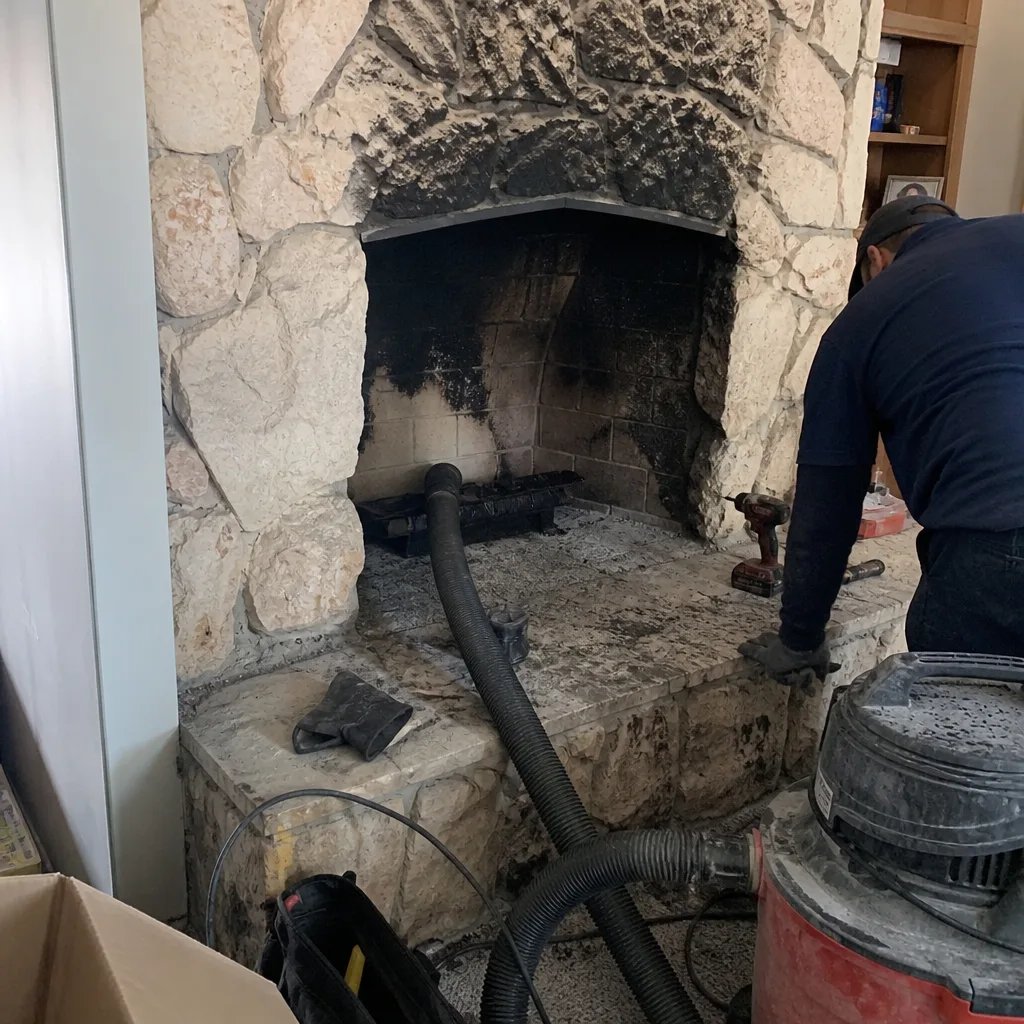
- Protection first. Drop cloths go down around the hearth, and a HEPA vacuum is set up at the firebox to catch airborne ash as work proceeds. A proper setup means no soot film on your furniture afterward.
- Firebox and damper clearing. Ash and debris are removed, and the damper and smoke shelf get checked. The smoke shelf is where creosote tends to collect out of sight, so it gets brushed and vacuumed directly.
- Flue sweeping. A brush sized to the flue is run top to bottom, or bottom up with rods, depending on the setup. Hardened glazed creosote in the stage-two layer may need a chemical treatment first to soften it so the brush can actually remove it instead of polishing the surface.
- Exterior check. The cap, crown, flashing, and the top of the flue get inspected, since a missing or rusted cap is one of the most common problems in a valley climate with wide temperature swings.
- Camera inspection. A video camera goes through the flue, and the technician reviews the footage with you. This is the part that separates a real report from a checklist, and you should see the screen, not just hear a summary.
- Written findings. You get what was found and what it means, including whether anything needs repair now, whether it can wait, and what happens if it does.
Most visits take somewhere in the range of an hour for a straightforward single flue, longer if there’s heavy buildup or the inspection turns up something worth documenting carefully. What a clean chimney looks like on camera is distinctive: bare flue walls, no visible buildup, and intact tile or liner joints. If you can see the flue interior plainly and it’s clear, that’s the standard.
Liner Materials That Hold Up to West Valley City Freeze-Thaw Cycles
West Valley City sits at high-desert elevation, and that means a lot of freeze-thaw movement across a winter. Masonry absorbs a little moisture, that moisture expands when it freezes overnight, and the cycle repeats. Over years, that cycling opens hairline cracks in clay tile liners and stresses mortar joints. Add the acidity of condensed creosote to the mix and you get a flue that’s weakening from both the inside and the outside.
The right liner choice depends on the liner’s current condition, not on what’s simplest to install. Two systems cover most of what we see:
HeatShield Ceramic Resurfacing
HeatShield is a ceramic-based liner resurfacing system. It’s designed for clay tile flues that are cracked or deteriorating but still structurally intact. The material is applied inside the flue and cures into a smooth, sealed surface that handles flue gases and resists moisture. It’s a specialist-tier solution: many sweep-only companies don’t offer it, and it’s often a better fit than a full reline when the tile is sound but the lining surface has failed.
DuraFlex Stainless Steel Relining
DuraFlex flexible stainless steel liner systems are the standard answer when the flue needs a full reline, whether that’s because the tile is too damaged to resurface or because a new appliance requires a specific flue size. The flexible construction allows the liner to follow the flue path, and stainless steel handles both flue-gas corrosion and the thermal cycling our winters bring. We’re authorized to install and work with DuraFlex liner systems, which is a product specification that requires real technical know-how to get right.
How to Think About Which Is Right
- Resurfacing fits flues with surface cracking or deterioration where the structural tile is still sound.
- A full reline fits flues with cracked, displaced, or missing tiles, or where the appliance needs a different flue size.
- Either way, the decision comes after a camera inspection, not before. No liner should be sold on a guess.
If either path comes up during your visit, make sure the technician shows you the camera footage that justifies it. That’s not a sales pitch. It’s how a homeowner verifies the repair is real.
How Often Should You Schedule a Cleaning?
Once a year is the standard recommendation, and for most homes in West Valley City that’s the right baseline. But an annual schedule assumes average use, and average is not what most wood-burning households actually do. A fireplace running nightly through inversion season builds buildup on a different timeline than a fireplace used a few weekends a year.
Use these markers to decide whether you’re still on schedule:
- Wood burned. A common rule of thumb in the trade is to have the chimney swept after roughly a cord of wood, or once a year, whichever comes first. If you burn more than a cord a winter, that second cleaning is not optional.
- Buildup thickness. Visible creosote buildup on the flue walls of about an eighth of an inch is the point where a cleaning is due. In our experience, a stage-two layer that thick builds faster during stagnation weeks.
- Smoking or draft problems. If the fireplace has started smoking into the room, has trouble getting going, or you can smell creosote when it’s cold out, schedule regardless of the calendar.
- Life events. Buying a home in West Valley City should trigger a Level 2 inspection before your first burn. So should installing a new stove or insert, or moving in after a chimney fire.
- Storm or impact damage. Hail is uncommon here, but wind and impact can dislodge a cap or crack a crown, and both are worth a look after a strong storm.
The seasonal timing matters too. Burning season runs through the cold months, and a cleaning booked ahead of that season confirms the system is ready before inversion weather starts stressing it. Waiting until you’re already having draft issues means the fix lands during the weeks you need the fireplace most.
What Chimney Cleaning Costs and What Changes the Price
Pricing for chimney cleaning depends on what’s actually there when the technician opens the damper: buildup depth, flue configuration, access, and whether an inspection turns up a repair. The final price is set per job by a written estimate, and you get that estimate before any work starts. What changes the price:
- Creosote stage. A light soot layer sweeps quickly. Glazed stage-two buildup may need a chemical softening treatment, and stage-three glazing is a longer, heavier job.
- Flue count and layout. A single flue is straightforward. Multiple flues, offsets, or a steep roof angle take more time and setup.
- Access. Working from the top requires a safe ladder footing and a roof in proper condition. Difficult access adds time.
- Inspection level. A Level 1 inspection comes with the sweep. A Level 2 camera inspection is additional work, and it’s the one that finds concealed liner problems.
- Repairs found. A cap, crown, or liner issue discovered during the inspection runs separately, quoted after you’ve seen the reason for it.
One thing that is not a variable: whether we recommend the work. A typical cleaning should never come with pressure to replace a liner on the spot. If the camera footage shows the liner is sound and the buildup is the only problem, cleanup is the only thing on the estimate. If it shows cracking, you see the cracking on screen. Nothing gets recommended without camera evidence you can inspect yourself, and if a repair can safely wait until spring, we say so.
Chimney Fire and Carbon Monoxide Safety
Creosote is a fuel, and it sits inside a confined space next to a heat source. A chimney fire happens when that buildup ignites, and the fires aren’t always dramatic: some burn hot and loud enough to be obvious, some smolder quietly and cause damage a homeowner only discovers later in a flue inspection. The damage from a chimney fire isn’t only the fire itself. The high heat can crack a tile liner or distort a stainless liner, and a compromised liner lets heat reach framing material, which is exactly what the liner exists to prevent.
Carbon monoxide is the quieter risk. A wood-burning appliance produces it as a normal part of combustion, and under a correct draft it goes up and out. A blocked or damaged flue can push it back into living space instead. That’s not a scare tactic. It’s the reason an inspection report is worth more than a clean firebox. Our technicians have up to 14 years of experience reading how a system is venting before and after a sweep, and if something looks off, they’ll say so plainly and show you why.
We will not give you a do-it-yourself method for the parts of this work that can hurt someone. A brush run up a flue by a homeowner can damage a liner, dislodge a cap, or push a hidden crack into a full failure, and the person on the roof bears the fall risk. What you should do is check the visible signs, keep damp wood out of the firebox, avoid choking a fire down to a smolder for hours, and get the system inspected so the invisible parts are covered.
Common Mistakes to Avoid
- Hiring the cheapest quote and assuming it includes an inspection. A sweep that cleans but never scopes the flue leaves you with a clean chimney and no information about whether the liner is sound. The inspection is a large part of what you’re paying for, so confirm it’s part of the visit.
- Burning damp or green wood to stretch a cord. Unseasoned wood sends a large share of its heat into boiling off water, and the cooler, wetter exhaust condenses more creosote. In our climate with wide overnight temperature swings, it also changes how a fire behaves during inversion weeks.
- Choking the fire down overnight. Long, slow, smoldering burns are the fastest way to build stage-two buildup. A hot, clean fire with proper airflow does more for flue health than a long, smoky one.
- Assuming a chimney fire always announces itself. Some are quiet. A cracked liner discovered weeks later is often the first sign one happened, which is why a camera inspection on a regular schedule matters.
- Waiting until a draft problem shows up before cleaning. A West Valley City fireplace that smokes on a still, cold evening is usually telling you two things at once: the draft is weak and there’s likely buildup that made it worse. Waiting for next season only makes the cleaning harder.
- Ignoring the cap and crown. A missing or rusted cap lets rain and snow straight into the flue and can block the top with debris. Both problems are common in a freeze-thaw climate and cheap to fix compared to a reline.
- Letting a handyman “handle the chimney.” Chimney repair needs product specifications a generalist won’t know to ask for. Liner resurfacing, cap installation, and relining are all specialist work, and the wrong material choice shortens the life of the repair.
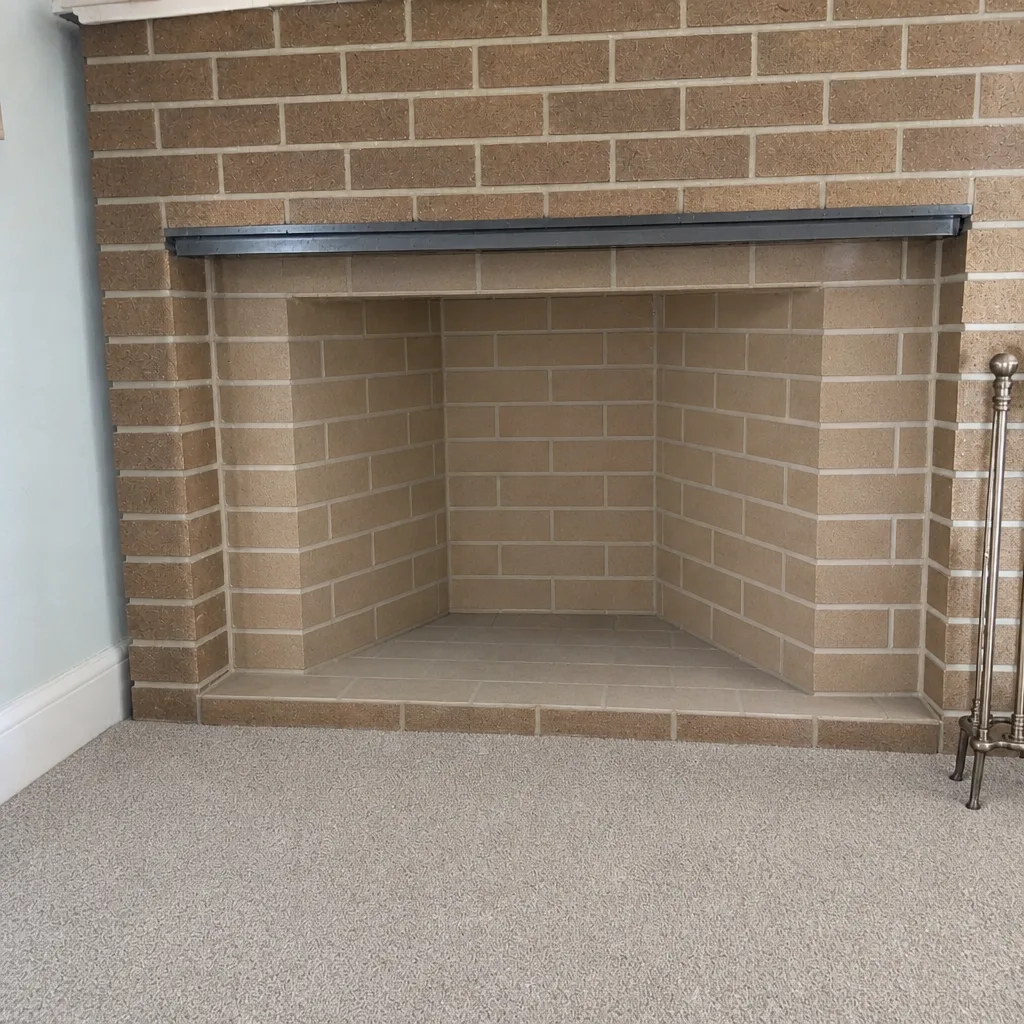
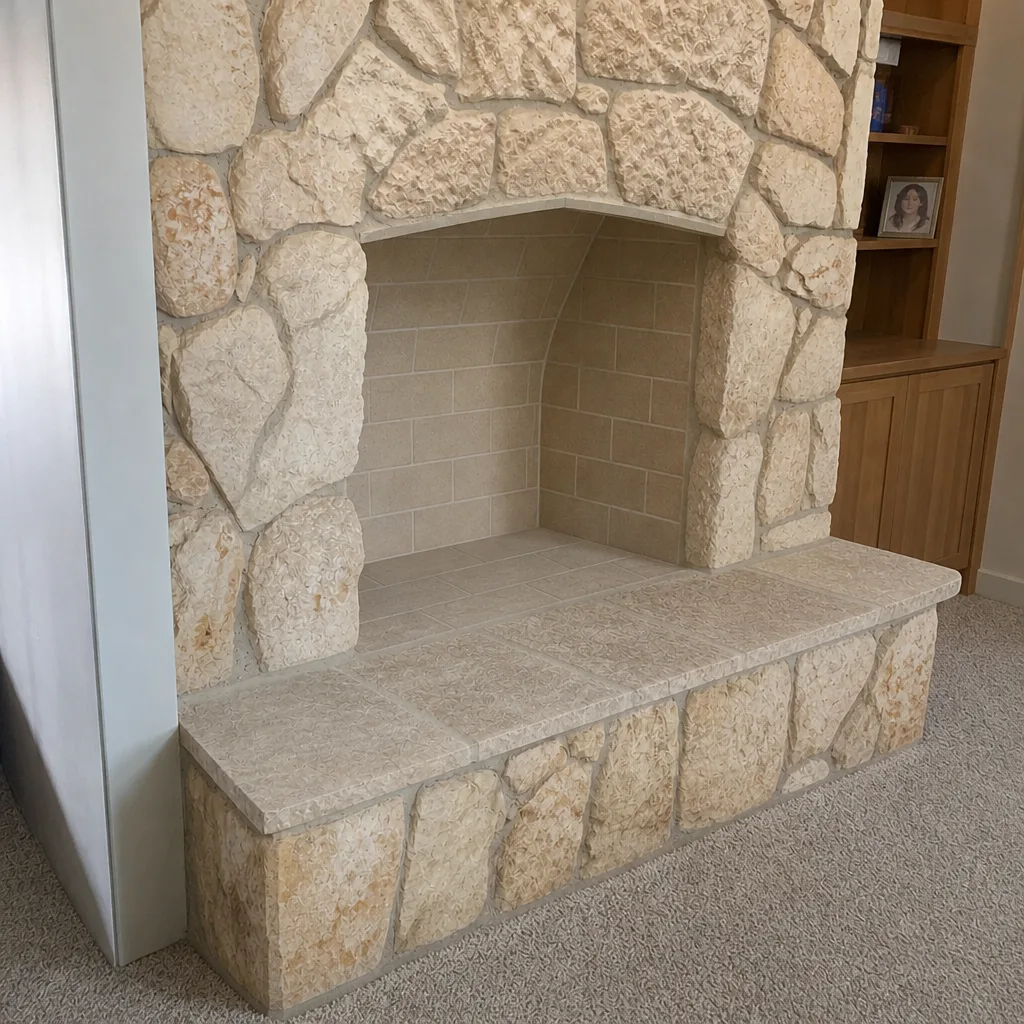
See the difference
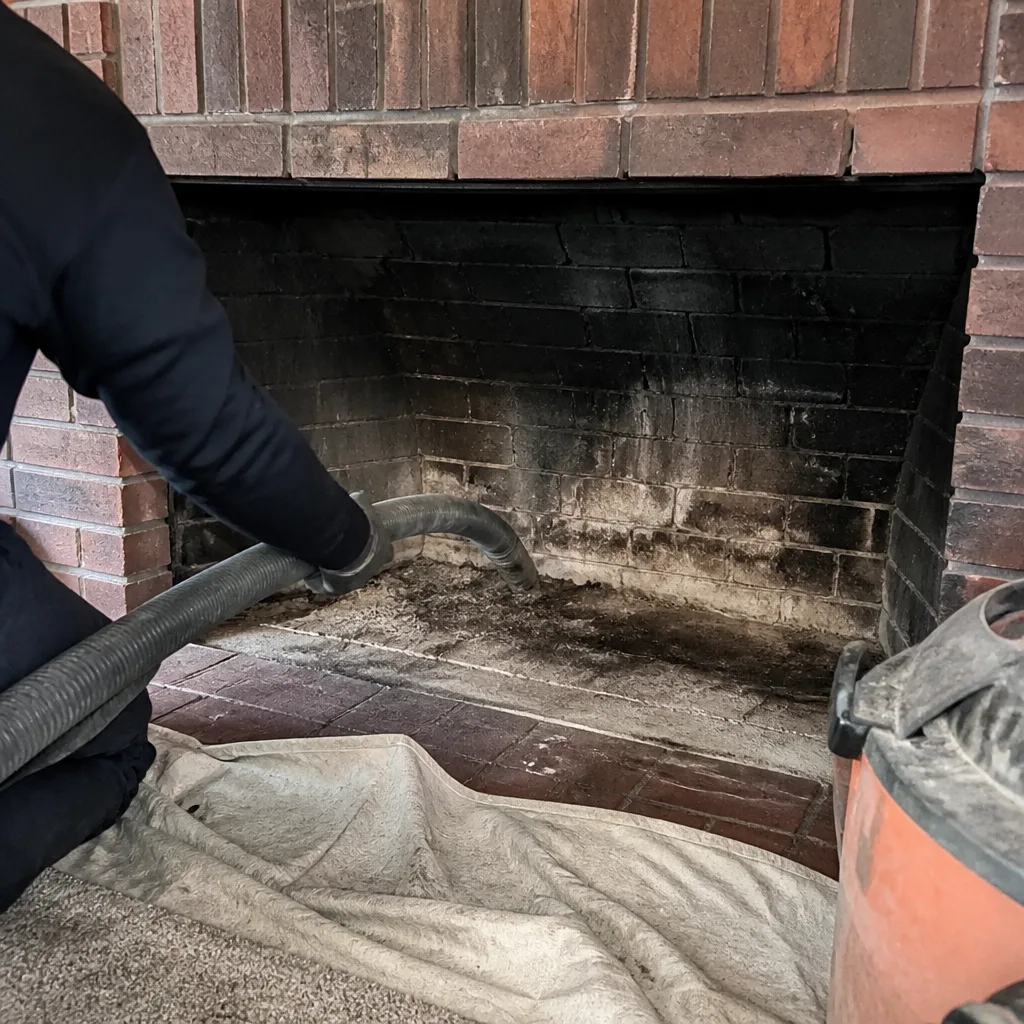 Before
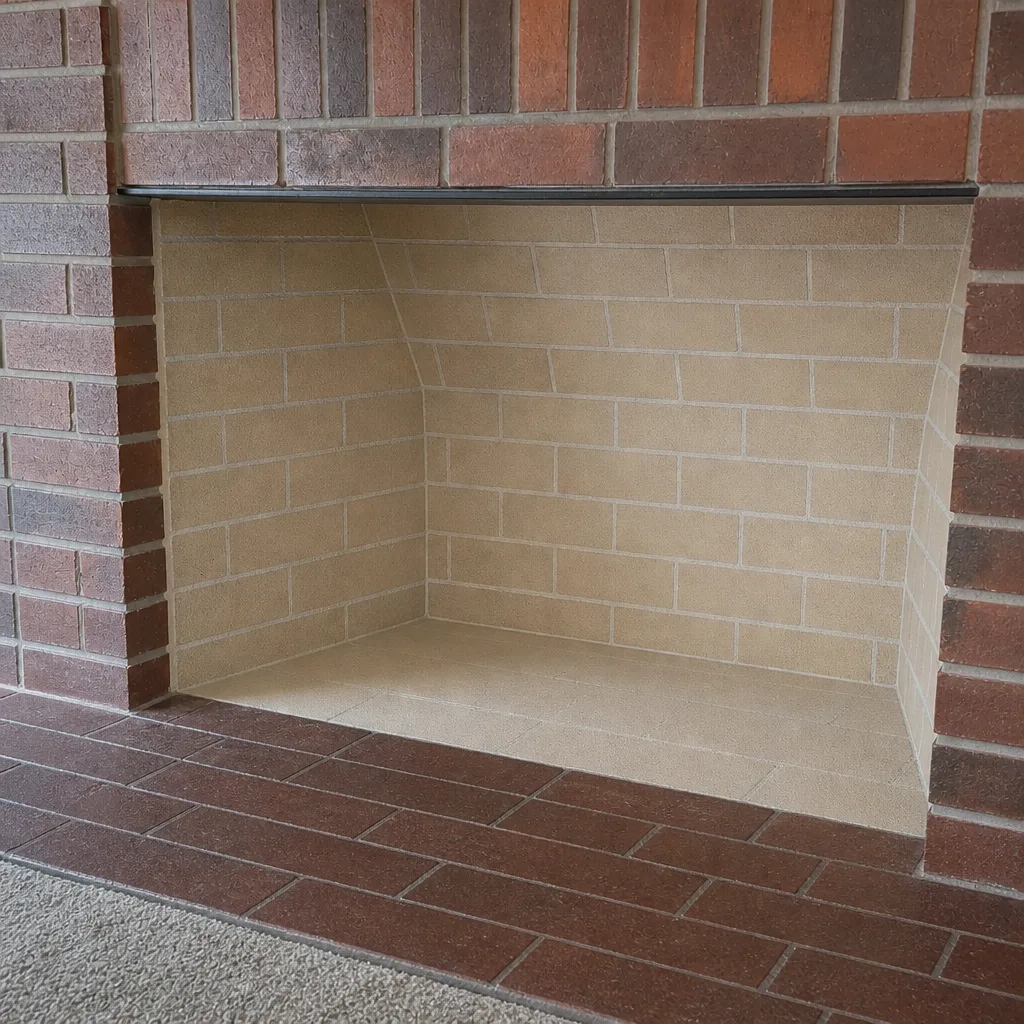 After
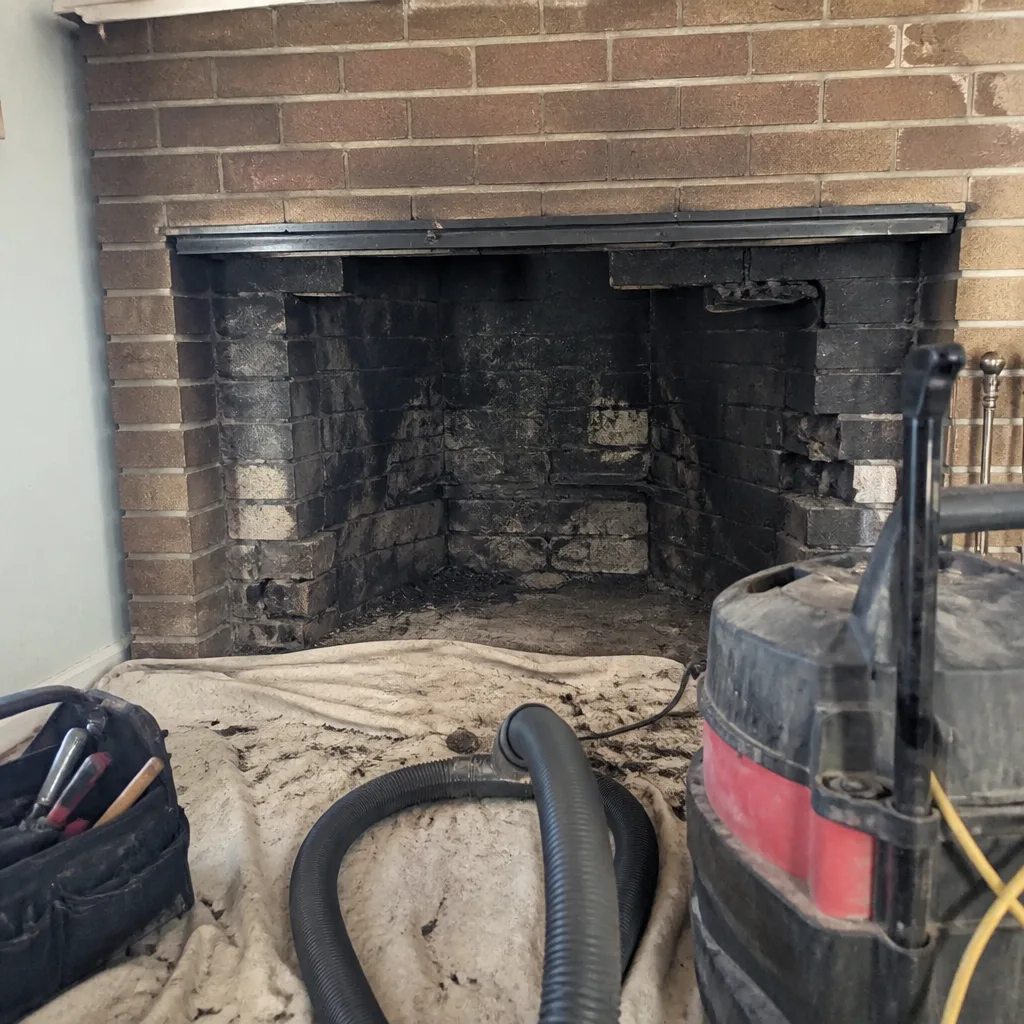 Before
 After
 Before
 After
When to Call a Professional
Call when you haven’t had the chimney inspected in the last year and you burn wood regularly. Call before your first fire in a new home in West Valley City, since a Level 2 inspection establishes a baseline you can trust. Call if the fireplace has started smoking into the room, if you notice a strong creosote smell when it’s cold out, or if you can see more than a thin soot film up the flue. Call after any chimney fire, even one that seemed minor. Call if a storm has dislodged the cap or cracked the crown, or if the flue’s clay tiles show displacement or missing pieces. And call if you’re switching to a wood stove or insert, because a new appliance changes the flue requirements.
Blackwell Chimney Sweep offers free estimates in West Valley City. We’ll tell you what we found and what it means, show you the camera footage behind any recommendation, and skip the repair entirely if cleanup is all that’s needed. Call (855) 629-7505. We answer 24/7. Fast dispatch from 7am to 7pm, Sunday through Friday.
Frequently Asked Questions
The price depends on buildup depth, flue count, access, and whether a camera inspection turns up a repair, and the final number is set per job by a written estimate before work starts. You get a free estimate, and it reflects what your chimney actually needs rather than a flat rate for everything. Call (855) 629-7505 for an exact quote, estimates are free.
Once a year, or after about a cord of wood, whichever comes first. Homes in West Valley City that burn heavily through inversion season often need a second cleaning in the same winter. If you can see more than about an eighth of an inch of buildup on the flue walls, that’s the point to schedule. Call (855) 629-7505 and we’ll talk through your burning habits and pick a date.
Only if the camera inspection shows your liner is cracked, displaced, or failing, and you should see that footage before agreeing to anything. Many flues are sound and need nothing more than a sweep and a cap. If resurfacing with HeatShield can address the damage, that’s often the better path than a full reline. Call (855) 629-7505 for an estimate and a clear explanation of what we found.
Creosote keeps building until it reaches a stage where it’s a genuine fire risk, and soot and blockage reduce draft, which slows the fire and pushes more creosote onto the walls. Carbon monoxide can accumulate if the flue is restricted. It’s a common and serious sequence, not a rare one. Call (855) 629-7505 to schedule a sweeping before the next burning season.
An annual inspection is a good rule even for light use, because the camera catches liner and crown damage that has nothing to do with how much you burn. West Valley City’s freeze-thaw cycles stress the masonry and the cap over time regardless. If you’ve never had the flue scoped, a one-time Level 2 inspection gives you a baseline, then annual Level 1 inspections usually keep you covered. Call (855) 629-7505 to book one.
The technician shows you the camera footage and explains what it means before recommending any repair. Nothing gets sold on a guess, and if the work can safely wait, we say so. If it needs doing now, we have the materials and the crew to handle it in the same visit. Call (855) 629-7505 for a free estimate.
The Bottom Line
The most useful thing to know about chimney care in West Valley City is that the local environment changes the rules most national guides follow. Inversion seasons speed up creosote buildup, and freeze-thaw cycles age a flue from the outside in. An annual sweep and inspection is the baseline, and a camera run is what tells you whether the liner is sound. When repairs come up, the materials matter: HeatShield resurfacing for cracked liners that can be saved, DuraFlex stainless relining for flues that can’t. A full-service crew that sweeps, inspects, and repairs is what keeps you from needing a second contractor halfway through the work. And a report you can verify on screen beats any recommendation you can’t.
Contact
If you’re due for a cleaning or you’ve never had the flue inspected, Blackwell Chimney Sweep handles sweeping, inspection, and repair in West Valley City and the surrounding valley. You get a free estimate before any work starts, a camera inspection included so you can see what we see, and a straightforward answer about what needs fixing and what can wait. Call (855) 629-7505 for a free estimate. We answer 24/7. Fast dispatch from 7am to 7pm, Sunday through Friday.
Written by the team at Blackwell Chimney Sweep.