
Last updated November 16, 2026
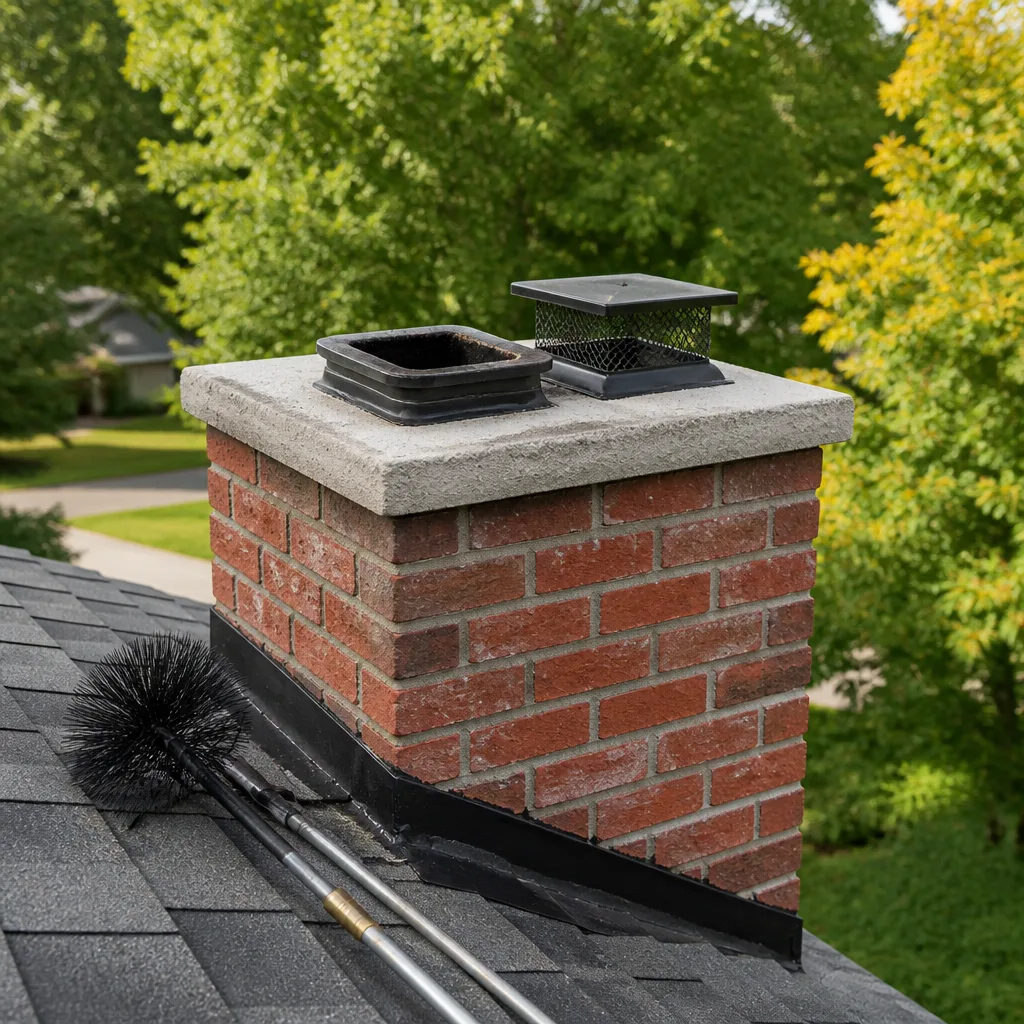 Sweep & inspection
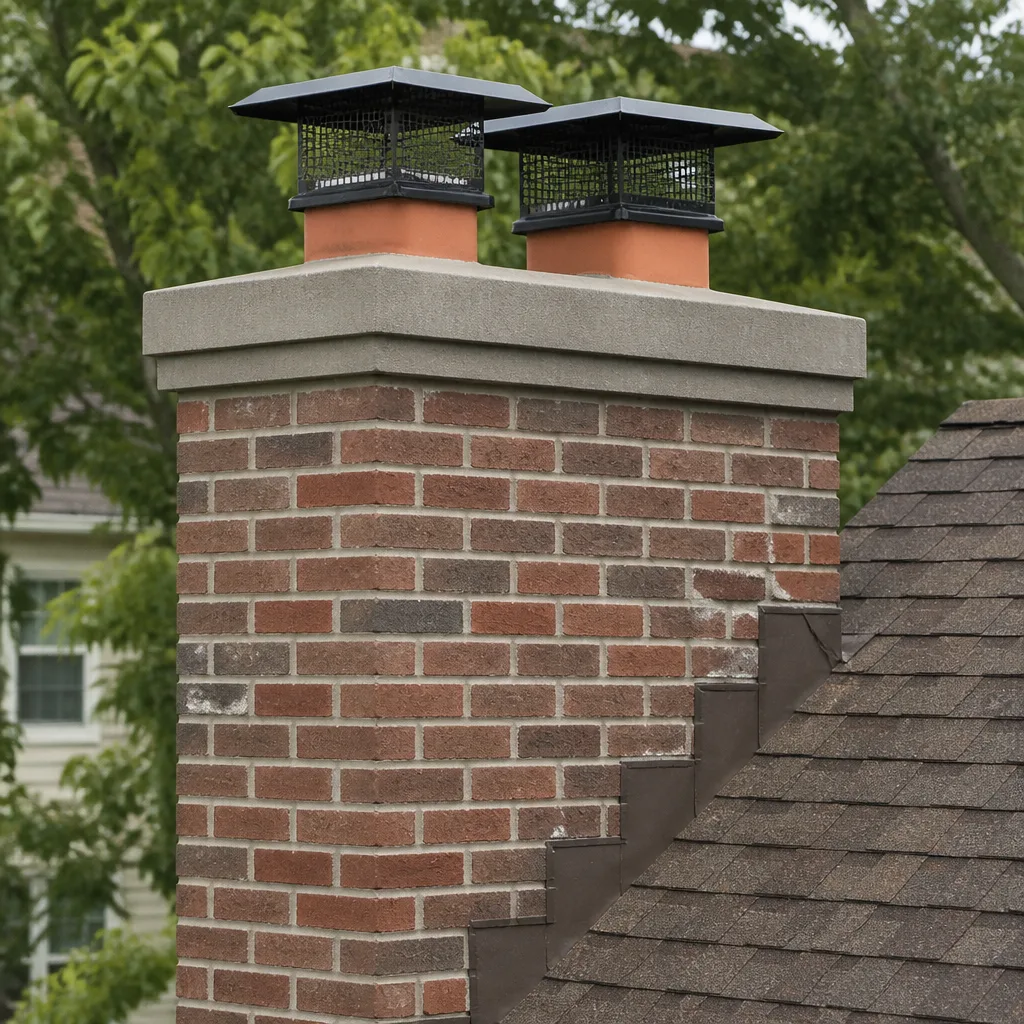 Caps & crowns
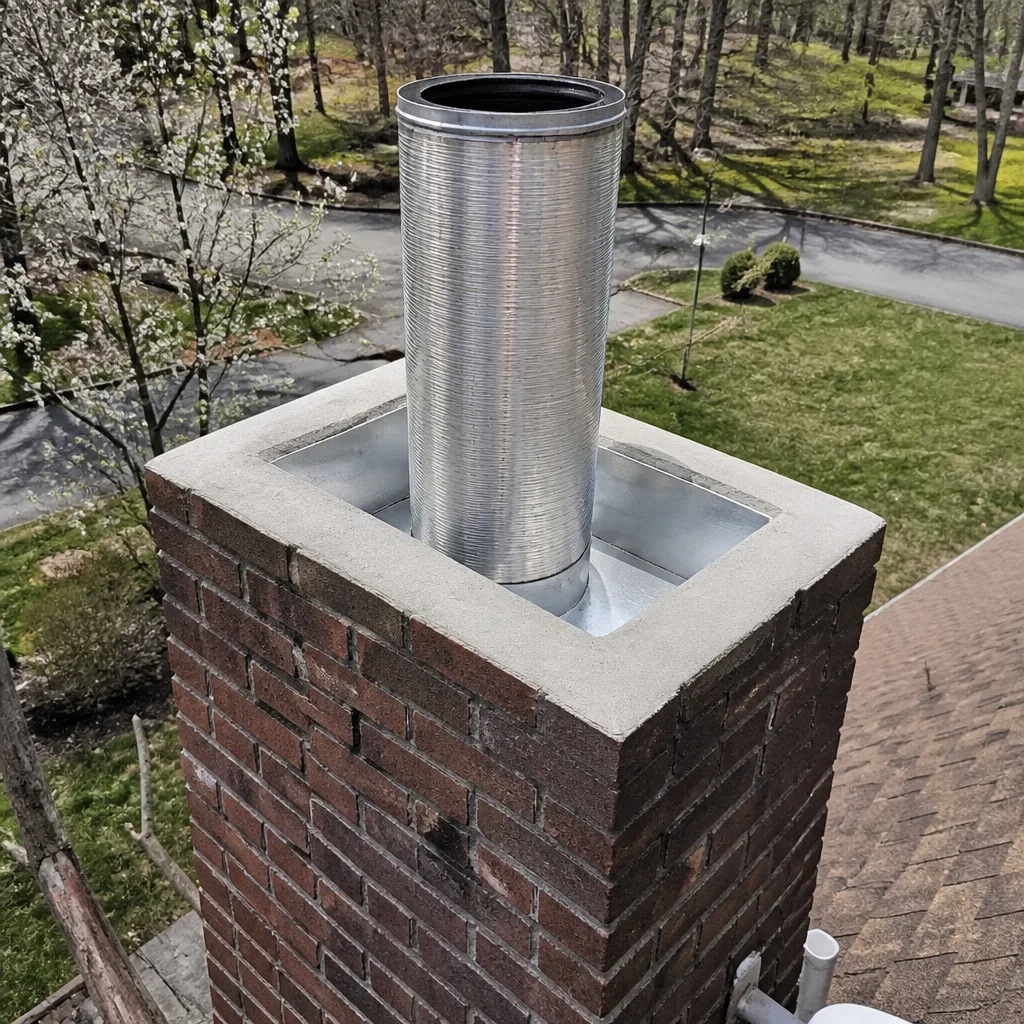 Flue relining
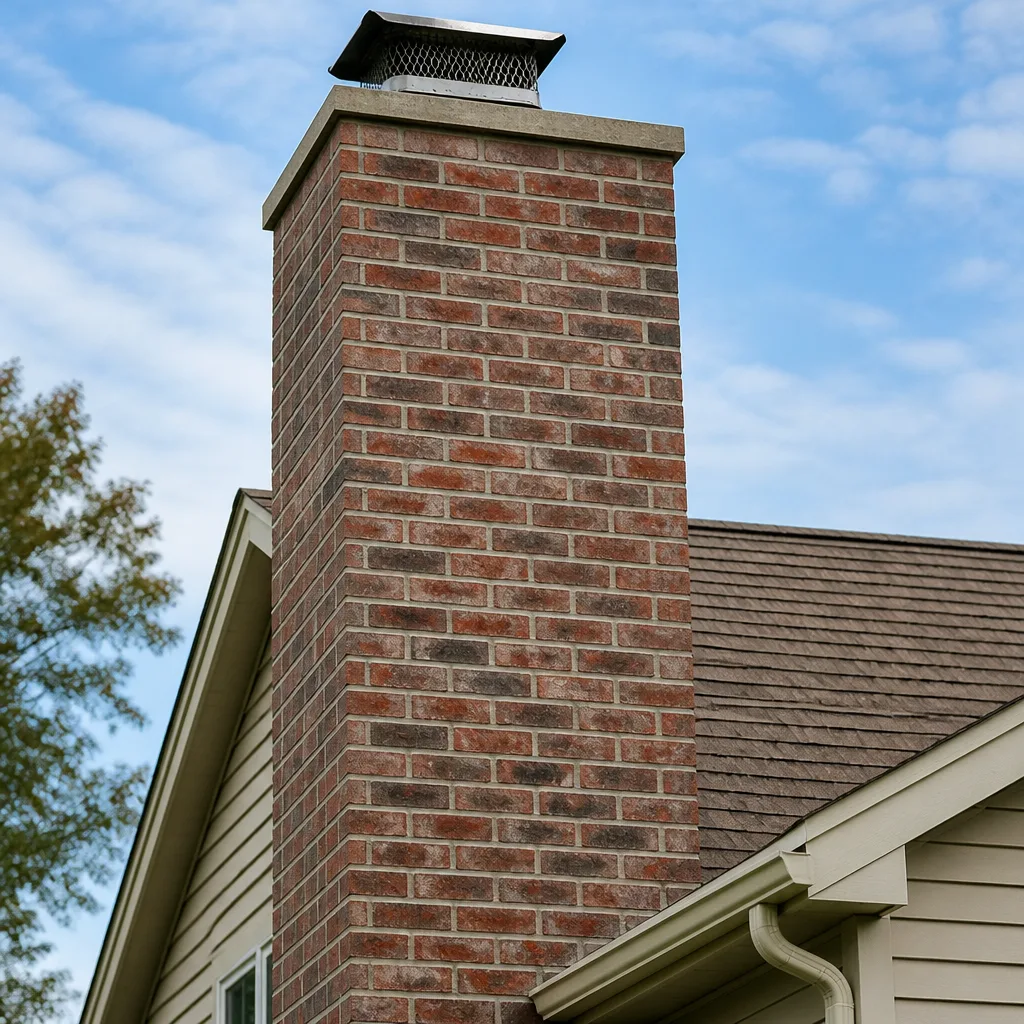 Masonry repair
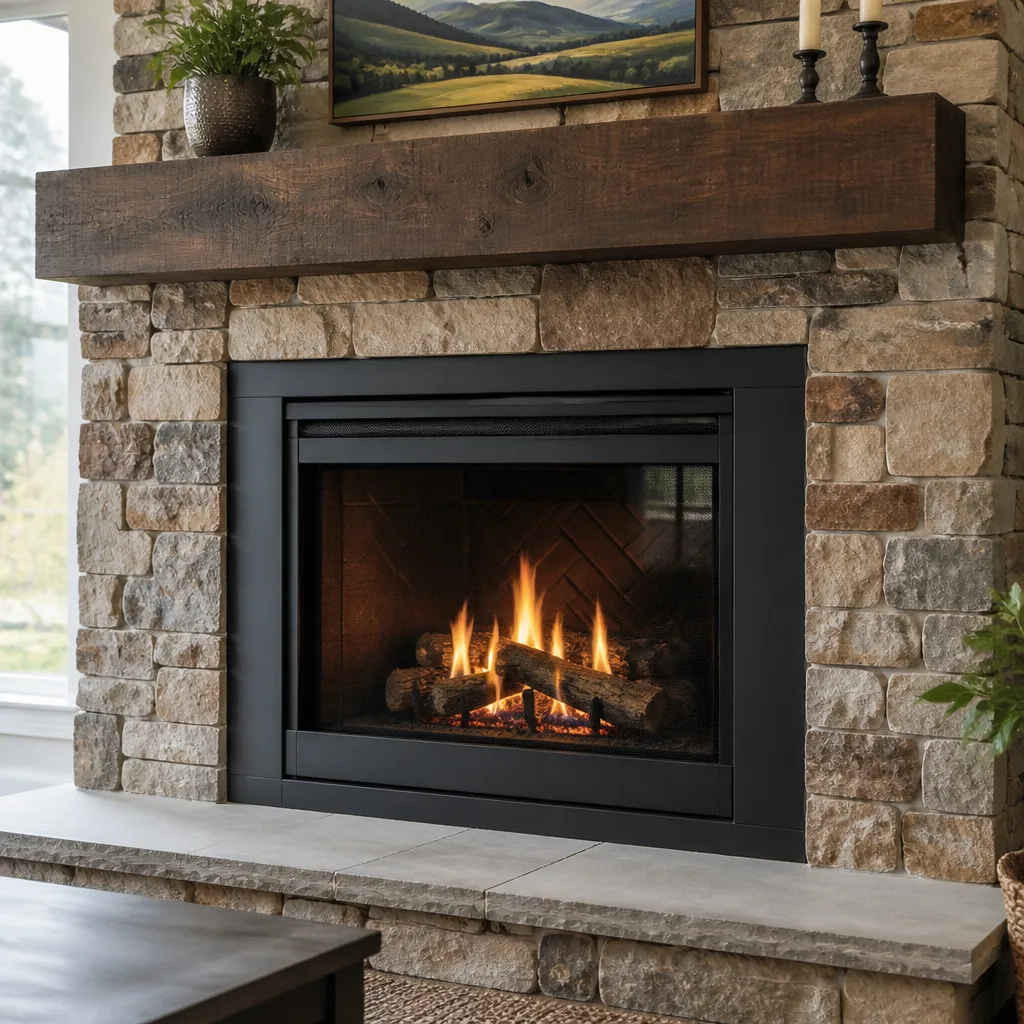 Gas fireplace service
Level 1 sweep and inspection to the NFPA 211 annual standard - flue, crown, cap, and flashing checked and photographed
Chimney sweep logs do not sweep chimneys. They loosen some creosote - which then falls where a brush and vacuum still have to collect it.
How to Hire a Chimney Cleaning Contractor in West Valley City: A Step-by-Step Guide
Most homeowners think the hard part of hiring a chimney sweep is finding one. The real problem is the opposite: the barrier to entry in this trade is low enough that anyone with a brush, a ladder, and a magnetic sign can call themselves a sweep. A printed word on the side of a van costs nothing. A certification that requires study, testing, and renewal costs something. The gap between those two things is often the gap between a clean chimney and an inspection report you can actually hand to your insurer. This guide walks you through a vetting process built around credentials, materials knowledge, and documentation, so you know exactly what to ask before you let anyone near your flue in West Valley City.
Quick Answer
To hire a chimney cleaning contractor in West Valley City, verify a real certification you can look up independently, ask whether a camera inspection and written report come standard, confirm the company handles repairs and not just cleaning, and get a written estimate before any work starts. Skip any contractor who can’t answer material questions about liner type and mortar, offers no photographic evidence, or quotes cash-only pricing with no paperwork.
Styles & brands we work with
- Sweep & inspection
- Caps & crowns
- Flue relining
- Masonry repair
- Gas fireplace service
Table of Contents
- Why Credentials Matter More Than Price in West Valley City
- What CSIA and NFI Certifications Actually Mean
- How to Verify a Chimney Contractor Before You Book
- Questions That Reveal Real Materials Knowledge
- Red Flags Specific to Low-Cost Sweep Operations
- How to Read a Chimney Inspection Report
- Why a Full-Service Specialist Beats a Cleaning-Only Company
- Vetting Your Contractor in Seven Steps
Why Credentials Matter More Than Price in West Valley City
The chimney trade has almost no licensing gate in most of Utah, and that’s the first thing to understand. Unlike electrical or plumbing work, where a state license class governs who can legally do the job, chimney sweeping is largely an unregulated trade. Anyone can advertise chimney cleaning in West Valley City tomorrow. The credential that separates a trained professional from a hobbyist is voluntary, which means a contractor who carries one has made a deliberate choice to be held to a standard.
West Valley City’s housing stock makes this more than academic. Much of the city’s single-family housing was built in the mid-to-late twentieth century, and a large share of those homes have masonry fireplaces with clay tile liners that have had decades of heating and cooling cycles. The valley’s cold winters and dry summers put real stress on mortar joints and liner tiles. A cleaning-only operation that runs a brush down the flue and calls it done will never notice a hairline crack in a tile, because noticing requires a camera and the training to interpret what it shows.
Price shopping pulls people toward the cheapest quote, and the cheapest quote is often the one with the least inspection depth behind it. The number on the invoice isn’t the real cost. The real cost is what gets missed. When you hire for a chimney sweep in this city, you’re not buying thirty minutes with a brush. You’re buying a documented assessment of a system that carries combustion byproducts out of your home.
Our technicians have up to 14 years of experience, and in that time the pattern is consistent: the jobs that turn into expensive repairs are almost always the ones where a previous sweep was done without an inspection attached. The homeowner didn’t know to ask. That’s not a knock on them. Nobody teaches you this stuff until something goes wrong.
What CSIA and NFI Certifications Actually Mean
Two credentials matter in this trade, and they test different things. Knowing what each one covers tells you whether the contractor in front of you is qualified for the work you actually need.
CSIA Certified Chimney Sweep
The Chimney Safety Institute of America runs the certification most homeowners have heard of. Earning it requires passing a proctored exam covering sweeping practice, venting, codes, and safety, and it requires renewal on a cycle so the credential stays current. A CSIA-certified sweep has demonstrated knowledge of how chimneys actually work, not just how to push a brush. The certification is verifiable through the CSIA’s own listing, which is the point: you can check it yourself rather than taking a magnetic sign’s word for it.
NFI Certification
The National Fireplace Institute certifies by fuel category, which matters if you burn wood or have a gas appliance. NFI certification requires passing an exam specific to that fuel type. A contractor with NFI wood certification has been tested on wood-burning appliance installation and venting. If your home has a wood stove and not just a fireplace, ask which NFI category applies.
What a certification does not tell you
It doesn’t tell you whether the contractor offers camera inspection as standard rather than an upsell. It doesn’t tell you whether they handle repairs or hand you off to someone else when a crack turns up. And it certainly doesn’t tell you what they charge. Treat certification as the floor, not the ceiling. It gets a contractor in the door for consideration. Everything after that is about process, materials, and documentation.
One more thing worth saying plainly: a certification that exists only as a logo on a vehicle and can’t be confirmed through the issuing body’s records is not a certification. It’s decoration. Ask for the verification path before you book.
How to Verify a Chimney Contractor Before You Book
Verification takes about ten minutes and it filters out most of the field. Do it before you schedule, not after someone’s on your roof. Here’s the sequence we’d recommend to any homeowner in West Valley City.
- Look up the certification yourself. Go to the CSIA or NFI database directly and search the contractor’s name or company. Don’t rely on a photo of a certificate or a magnet. If they can’t tell you where to look, that’s your answer.
- Ask about insurance and bonding by name, not just “are you insured.” A contractor working on your roof and inside your flue is exposed to real risk. Ask what coverage they carry and be prepared to see documentation. You don’t need the policy number, but you do need a straight answer.
- Ask whether camera inspection is included or extra. A professional-grade camera inspection should be part of any cleaning visit, with photos you keep. If it’s an add-on, ask why. If it isn’t offered at all, stop there.
- Ask whether they do repairs. If the answer is no, ask who they hand off to and what happens to your report. A cleaning-only company that can’t repair will still charge you for the cleaning, then you start over with a second contractor.
- Ask for a written estimate before work starts. The price is set per job by the written estimate, not by a phone quote or a verbal range. Get it in writing.
- Ask what the report includes. It should have photos, a description of what was found, and a clear statement of what needs attention now versus what can wait. More on reading it below.
- Ask about the brands they install. A contractor who works with professional-grade liner and cap systems will name them without hesitation. One who says “whatever’s available” is telling you something.
None of these questions are hostile. A contractor who does this work well will welcome them, because they’re the same questions that separate them from the cheap-quote crowd. When we work with a homeowner in West Valley City, we’d rather answer all seven on the phone than have them wonder later.
Questions That Reveal Real Materials Knowledge
Here’s where most vetting conversations go shallow. Homeowners ask “are you certified” and stop. But certification covers sweeping practice. Materials knowledge is separate, and it’s the difference between a contractor who understands your chimney system and one who understands how to run a brush.
Ask these questions and listen for specificity. A knowledgeable contractor answers with product names and reasons. A surface-level one answers with vague reassurance.
- “What kind of liner would you install if mine needs replacing, and why?” A real answer involves a flexible stainless liner system sized to the appliance, with the venting math that justifies the choice. We work with DuraFlex flexible liner systems because that’s what the trade specifies for relining work, and it’s a product that requires actual technical know-how to install correctly. If the answer is “a stainless one,” push further.
- “My mortar’s crumbling above the firebox. What are my options?” A knowledgeable contractor talks about resurfacing versus rebuild, and knows that HeatShield ceramic resurfacing exists as a specialist solution for cracks and deterioration that sweeping alone won’t solve. Most cleaning-only companies don’t offer it because they can’t. If they’ve never heard of it, you’ve learned something.
- “What cap would you put on my flue, and why that one?” A cap is not a cap. Ventilation components and caps from professional-grade makers like Gelco and Famco are specified for a reason, and a contractor who installs them can explain the fit and the function. One who grabs whatever’s at the hardware store can’t.
- “Where do you source your materials?” Professional supply channels like Olympia Chimney and Copperfield exist because the trade needs parts that hold up. A contractor sourcing from established supply lines has access to a real parts inventory rather than improvised fixes. That matters when a repair turns out to need a specific component.
- “How do you decide whether a crack needs relining or resurfacing?” The answer should reference the size and location of the crack, the condition of the surrounding tile, and what the camera showed. Not a guess. Not a flat “you need a new liner.”
You don’t need to know the answers yourself. You need to hear whether the contractor does. The right materials for the repair, not just what’s on the truck, is a real distinction in this trade, and the questions above expose it in about five minutes.
Red Flags Specific to Low-Cost Sweep Operations
The cheap-quote operation has a recognizable shape. It’s not always a scam. Sometimes it’s just a person with limited training doing the best they can within a narrow scope. Either way, the risk to your home is the same. Here are the patterns to watch for when you’re hiring in West Valley City.
- No camera inspection offered. A brush cleaning without a camera inspection is a guess. The camera is how a contractor sees the liner condition, and if it isn’t part of the standard visit, the visit can’t tell you what you need to know. This is the single loudest red flag.
- No written report. You should leave with documentation: photos, findings, and a recommendation. If the contractor’s assessment is verbal only, you have nothing to show your insurer, nothing to compare year over year, and nothing to hold anyone to.
- Cash-only pricing with no paperwork. A legitimate operation issues a written estimate and a receipt. Cash-only with no documentation makes the transaction untraceable and the work unverifiable. Ask for the written estimate before work starts, every time.
- Cleaning only, no repair capability. If a crack turns up, a cleaning-only company hands you off. You start over with a second contractor who has to re-inspect before they’ll quote. That’s two visits, two invoices, and a gap in between where the problem sits.
- Quotes given without looking. A price quoted over the phone before anyone has seen the flue is a guess dressed up as an estimate. The estimate should follow the inspection and reflect what’s actually there.
- Pressure to decide on the spot. Repairs found during inspection are a normal part of chimney care, but a contractor who insists you book the repair before you’ve seen the photos is selling, not advising. Look at the evidence first.
- No brand names, ever. A contractor who can’t name a single liner or cap product they install is telling you they don’t specify materials. They take what’s available. In a trade where the product is the repair, that’s a problem.
How to Read a Chimney Inspection Report
An inspection report is only useful if you can read it. The good ones share a structure, and once you know it, you can tell a real report from a form with boxes ticked. Here’s what should always appear, and what to make of it.
The line items that should always be there
- Photos of the flue interior. Not a stock image. Actual images from your chimney, taken during the inspection. If the report has no photos, it’s not a real inspection report.
- A description of the liner condition. Tile liner condition described in plain terms, with the location of any cracks or gaps noted.
- Creosote level and distribution. How much buildup, where it’s concentrated, and what that means for sweep frequency.
- Condition of the firebox and damper. These are wear components and their condition belongs in the report.
- Exterior condition notes. Crown, flashing, and cap condition, since water intrusion is a major cause of chimney deterioration.
- A clear recommendation split into two categories. What needs attention now, and what can safely wait. This is the line item that protects you from being sold work you don’t need.
What the report tells you about urgency
The report should be honest about timing. Some findings genuinely can’t wait: a cracked liner with combustion gases escaping into the structure is a carbon monoxide risk. Others can be scheduled. A spalling crown that’s a year from being a problem is not the same as a compromised flue. A contractor who marks everything as urgent isn’t reading the report carefully or is reading it to sell. We’ll tell you what we found and what it means, and we’ll say plainly when work can safely wait.
Keep the report. Year-over-year comparison is how you spot slow deterioration before it becomes a repair. It’s also useful documentation if you ever file a home insurance claim related to the chimney.
Why a Full-Service Specialist Beats a Cleaning-Only Company
The cleaning-only company has a structural problem, and it isn’t competence. It’s scope. A sweep who only sweeps can clean your chimney perfectly and still leave you with a liner crack that needs attention, because the repair isn’t something they do. You then hire a second contractor, who inspects again before quoting, and the whole cycle restarts. Two visits, two invoices, and a homeowner coordinating work that should have been handled in one.
A full-service chimney specialist handles sweeping, inspection, and repair under one roof. That means the person who finds the issue is the person who can resolve it, with the materials to back it up. Sweep. Inspect. Repair. All in one visit, when the findings call for it.
There’s a materials argument too. A company with repair scope works within a professional brand roster because that’s what the trade specifies. We work with DuraFlex flexible liner systems, HeatShield ceramic resurfacing, and Gelco and Famco caps and ventilation components because those are the products professionals specify, not because they’re what happened to be available. We source through Olympia Chimney and Copperfield supply lines because established channels mean real parts inventory. That’s the trade-level distinction: a contractor with repair capability chooses materials deliberately, because the repair has to last.
Chimney work is all we do. Not a multi-trade company where the chimney is an afterthought. That single-trade focus is a trust signal in a way that a broad service menu isn’t. If you want a sense of how we approach chimney repair when a cleaning turns up something, that’s the page to read next.
Vetting Your Contractor in Seven Steps
Here’s the whole process distilled into a sequence you can run through in a single sitting. Use it for any contractor you’re considering in West Valley City, including us.
- Verify the certification independently. Look up the CSIA or NFI credential through the issuing body. Don’t accept a logo or a magnet as proof.
- Ask what the visit includes. Cleaning, camera inspection, and a written report with photos should all be standard. If any of the three is an upsell or absent, move on.
- Ask whether they repair. A full-service specialist handles the work found during inspection. A cleaning-only operation hands you off.
- Ask the material questions. Liner type, resurfacing options, cap specification, and supply sources. Listen for names and reasons, not reassurance.
- Request a written estimate before work begins. The price is set per job by the written estimate. No verbal ranges, no on-the-spot bookings before you’ve seen the report.
- Read the report when it arrives. Photos, findings, and a clear split between what’s urgent and what can wait. If anything’s missing, ask why.
- Keep the documentation. The report and estimate are your record for insurance, for year-over-year comparison, and for holding the work to what was promised.
Each step is designed to answer one question: is this contractor qualified to inspect, clean, and repair my chimney system to a standard I can verify? The seven steps don’t guarantee a perfect contractor. They do filter out the ones you’d regret hiring, and that’s most of the value.
If you’re in a neighborhood like Hunter or Granger and you’re not sure whether your flue has ever been inspected, the answer is to book a camera inspection and see for yourself. That’s the only way to know.
Common Mistakes to Avoid
- Booking on price alone. The cheapest quote is usually the one with the least inspection depth. On a system that vents combustion gases out of a West Valley City home, the small savings is not worth the blind spot.
- Accepting a verbal report. If the contractor tells you what they found but hands you nothing, you have no record. Ask for photos and a written report before they leave.
- Assuming a cleaning includes an inspection. They’re separate services and a cleaning-only visit won’t surface liner cracks. Ask explicitly whether camera inspection is included.
- Hiring a generalist handyman for chimney work. A multi-trade company treating chimneys as a side job won’t have the product knowledge or the parts inventory for a real repair.
- Skipping certification verification. In a trade with a low barrier to entry, “certified” on a magnet means nothing until you’ve checked the issuing body’s records yourself.
- Booking the repair before reading the report. Look at the photos first. Any repair recommendation should be backed by evidence you can see and a clear statement of urgency.
- Sweeping without regard to your burning habits. A sweep frequency set by a calendar rather than by how much you actually burn tends to be wrong in both directions. Let the inspection findings, not a schedule, drive the next visit.
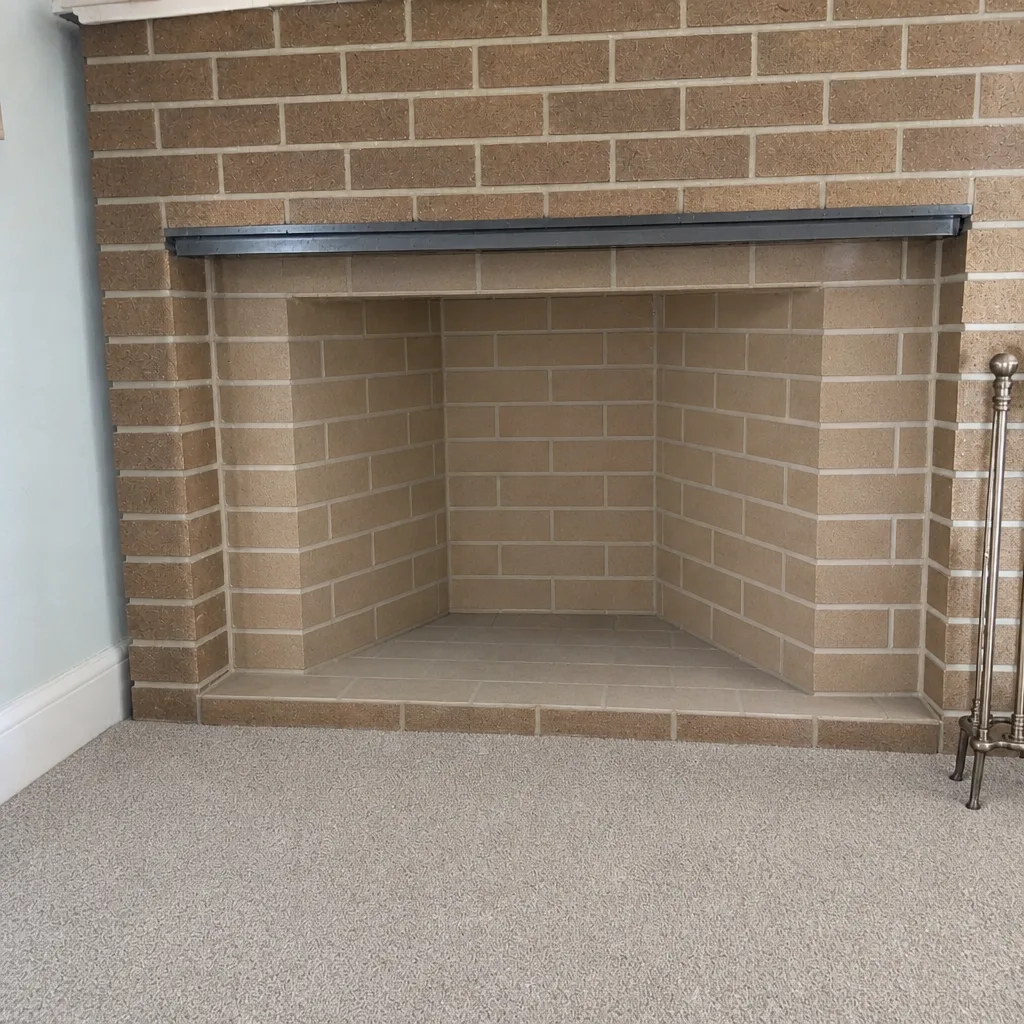
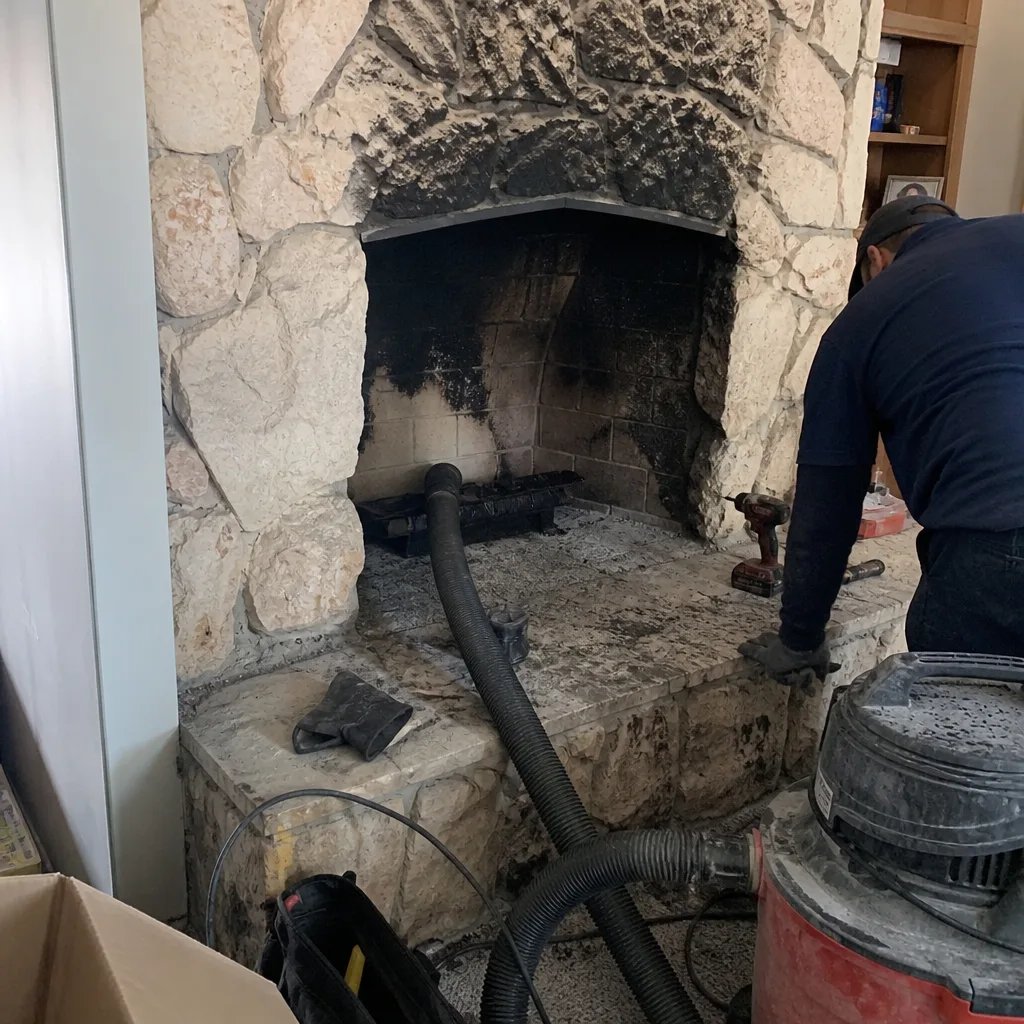
See the difference
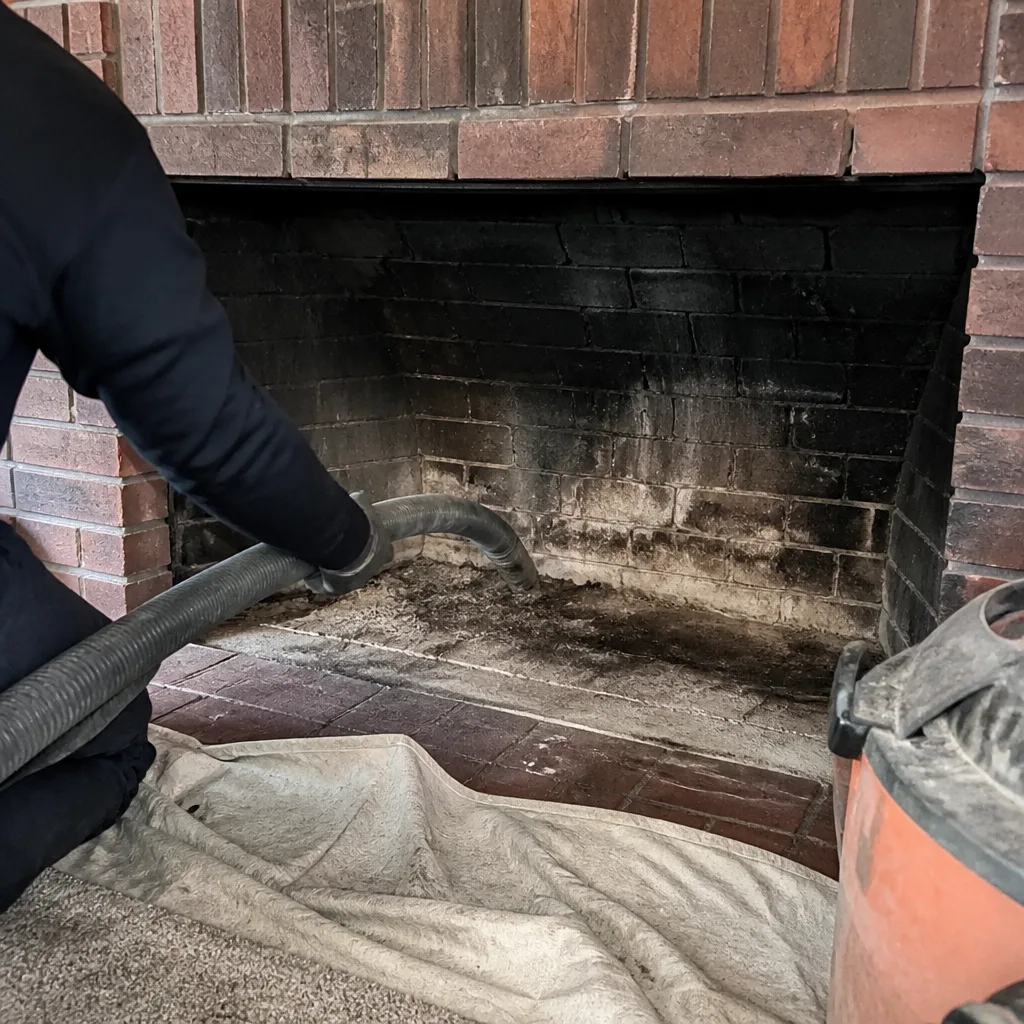 Before
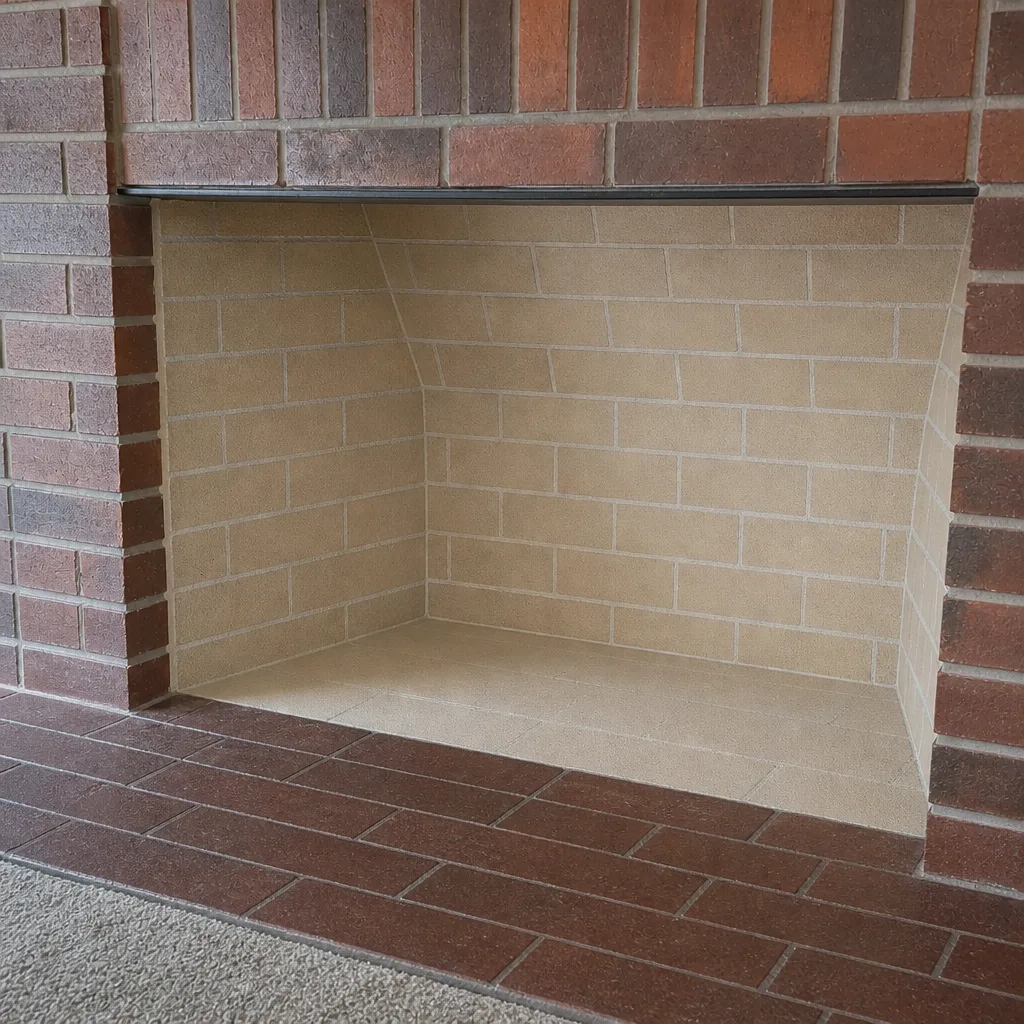 After
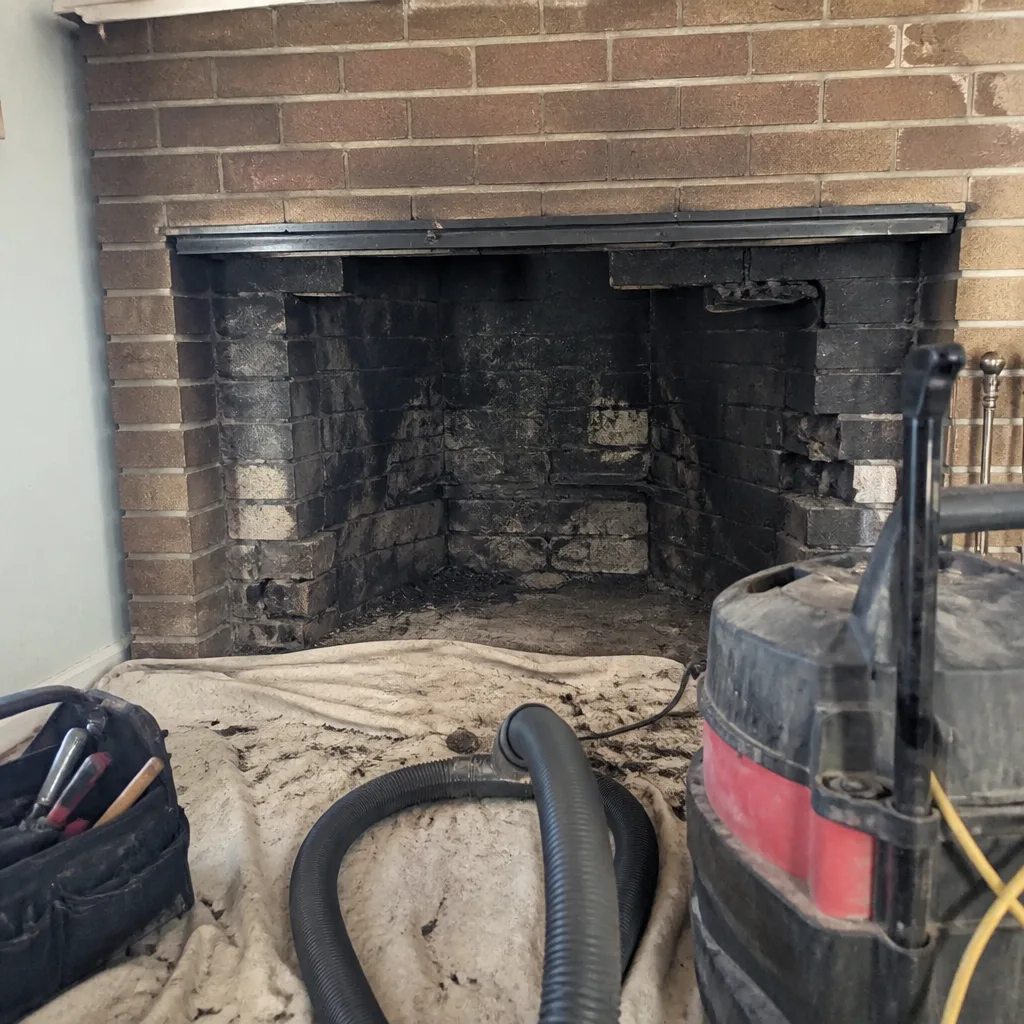 Before
 After
 Before
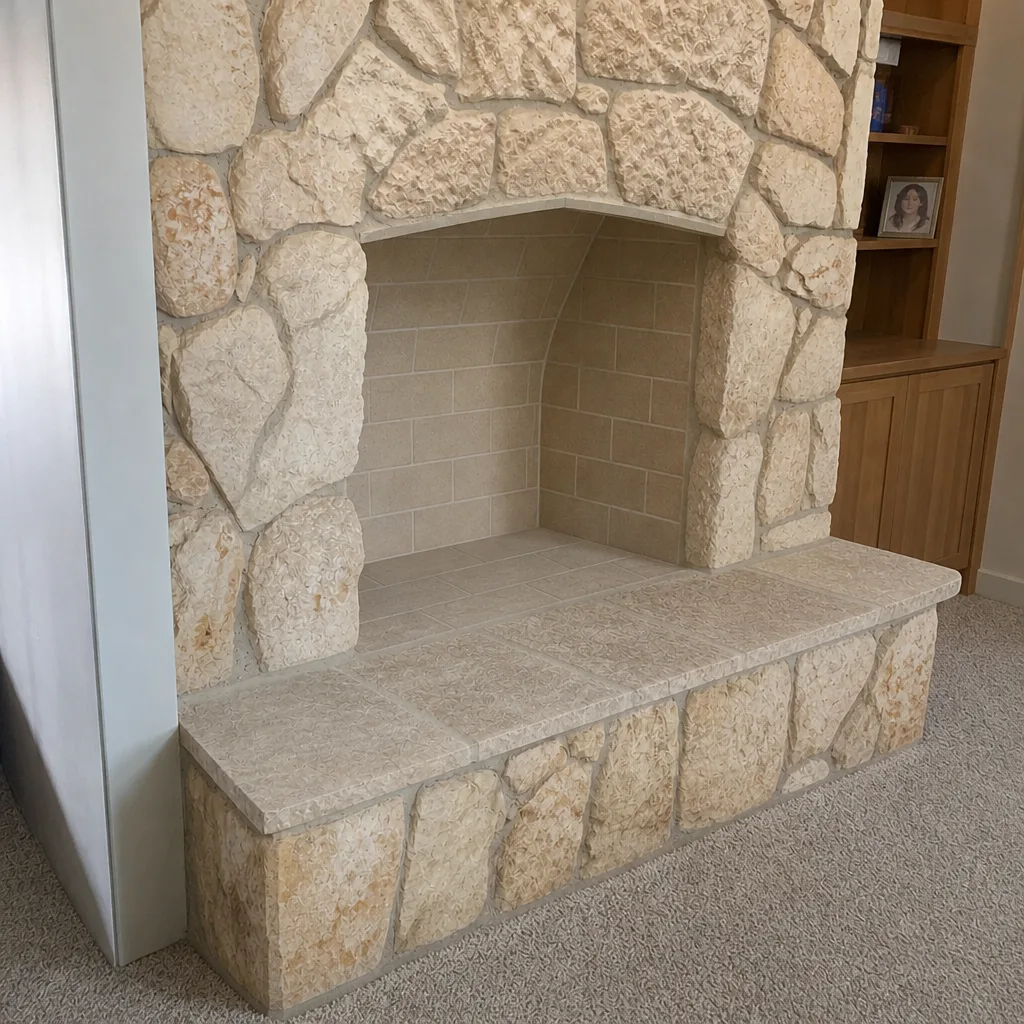 After
When to Call a Professional
Some chimney issues announce themselves and some don’t. Call a professional when any of the following is true:
- You’re opening the fireplace for the first time and don’t know when it was last swept.
- Creosote buildup is heavy or the flue smells strongly when the fire is out.
- Smoke backs into the room when you light a fire, which can point to a blockage or a venting problem.
- You’ve seen cracked or missing mortar on the firebox or the chimney exterior.
- You burn wood regularly and it’s been a season or more since the last documented inspection.
- The damper doesn’t seal, or the cap is missing and birds or debris have found their way in.
Blackwell Chimney Sweep offers free estimates in West Valley City. Call (855) 629-7505 to book an inspection and find out what’s actually in your flue. We answer 24/7. Fast dispatch from 7am to 7pm, Sunday through Friday.
Frequently Asked Questions
A chimney should be swept when the creosote buildup or obstruction warrants it, not on a fixed calendar. Homes that burn wood regularly through the winter usually need an inspection each season, with a sweep when the inspection shows buildup. Let the findings drive the schedule. Call (855) 629-7505 for an exact quote – estimates are free.
A certification you can verify independently is the difference between a trained professional and someone with a brush. CSIA and NFI certifications require study and renewal, and both are verifiable through the issuing body’s records. A magnet on a truck is not verification. Call us and we’ll walk you through what to check.
A real report includes photos of the flue interior, a description of the liner and firebox condition, creosote level, exterior notes, and a clear split between what needs attention now and what can safely wait. If the report has no photos, it isn’t a real inspection report.
In most cases, yes. A full-service company handles sweeping, inspection, and repair under one roof, so the person who finds the problem can resolve it with the right materials. A cleaning-only operation hands you off to a second contractor when a crack turns up, which means two visits and two invoices.
A crack that lets combustion gases escape into the structure is serious because it’s a carbon monoxide risk. A crack that’s minor and stable can be scheduled. The distinction comes from the camera inspection, and you should see the photos before agreeing to anything. Call (855) 629-7505 for a free estimate.
No camera inspection, no written report, cash-only pricing, no repair capability, and pressure to book repairs before you’ve seen the photos. Any one of those is a reason to look elsewhere. Call us with questions, estimates are free.
The Bottom Line
Hiring a chimney contractor in West Valley City comes down to verification. Check the certification yourself, ask whether camera inspection and a written report come standard, and confirm the contractor can repair what they find. Ask the material questions about liner type and resurfacing, because the answers separate trade-level knowledge from surface cleaning. Refuse cash-only, undocumented work. Read the report, look at the photos, and keep both. A contractor who meets this bar will welcome the questions. One who doesn’t is telling you something. Blackwell Chimney Sweep works this way because West Valley City homeowners deserve to see what’s in their flue before they pay to fix it.
Call (855) 629-7505 for a free estimate. We answer 24/7. Fast dispatch from 7am to 7pm, Sunday through Friday. If you’d like to start with the basics, the Blackwell Chimney Sweep homepage is the place to begin.
Written by the team at Blackwell Chimney Sweep.