
Last updated November 16, 2026
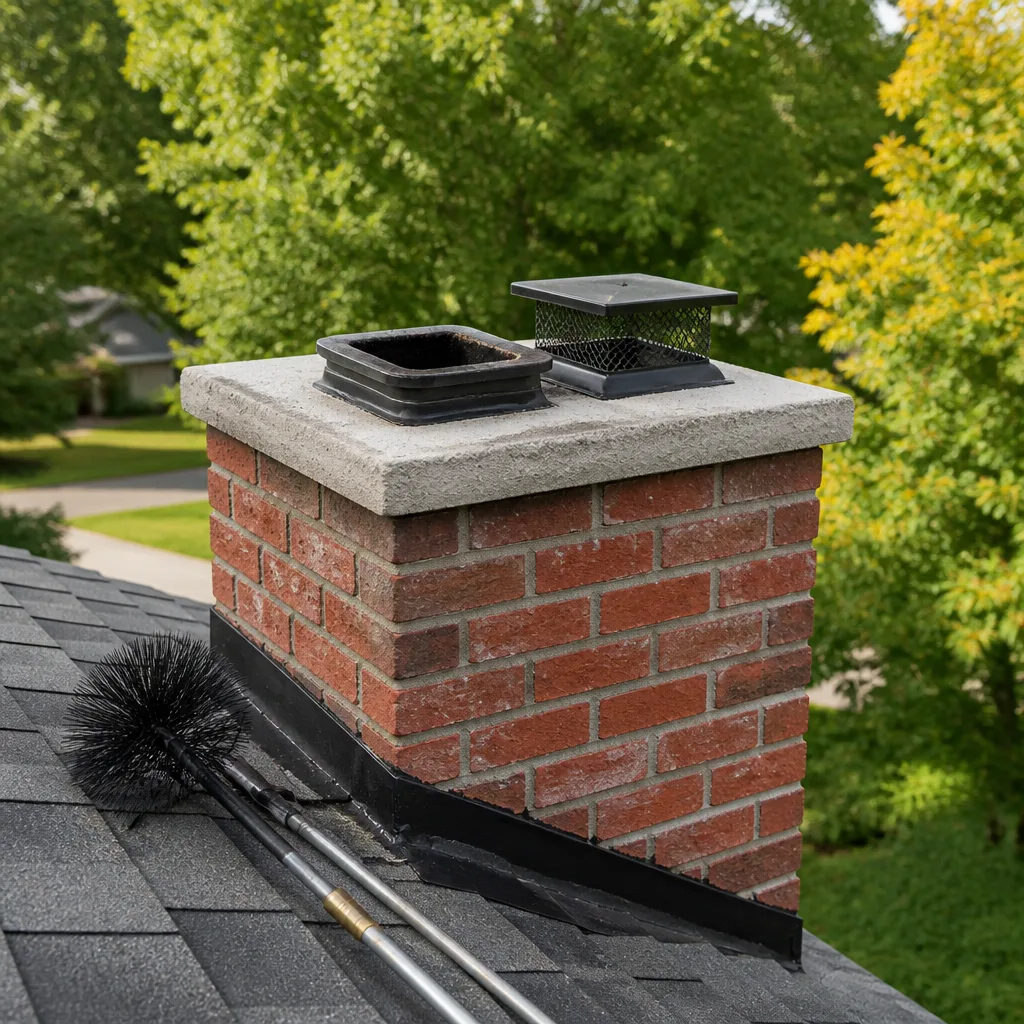 Sweep & inspection
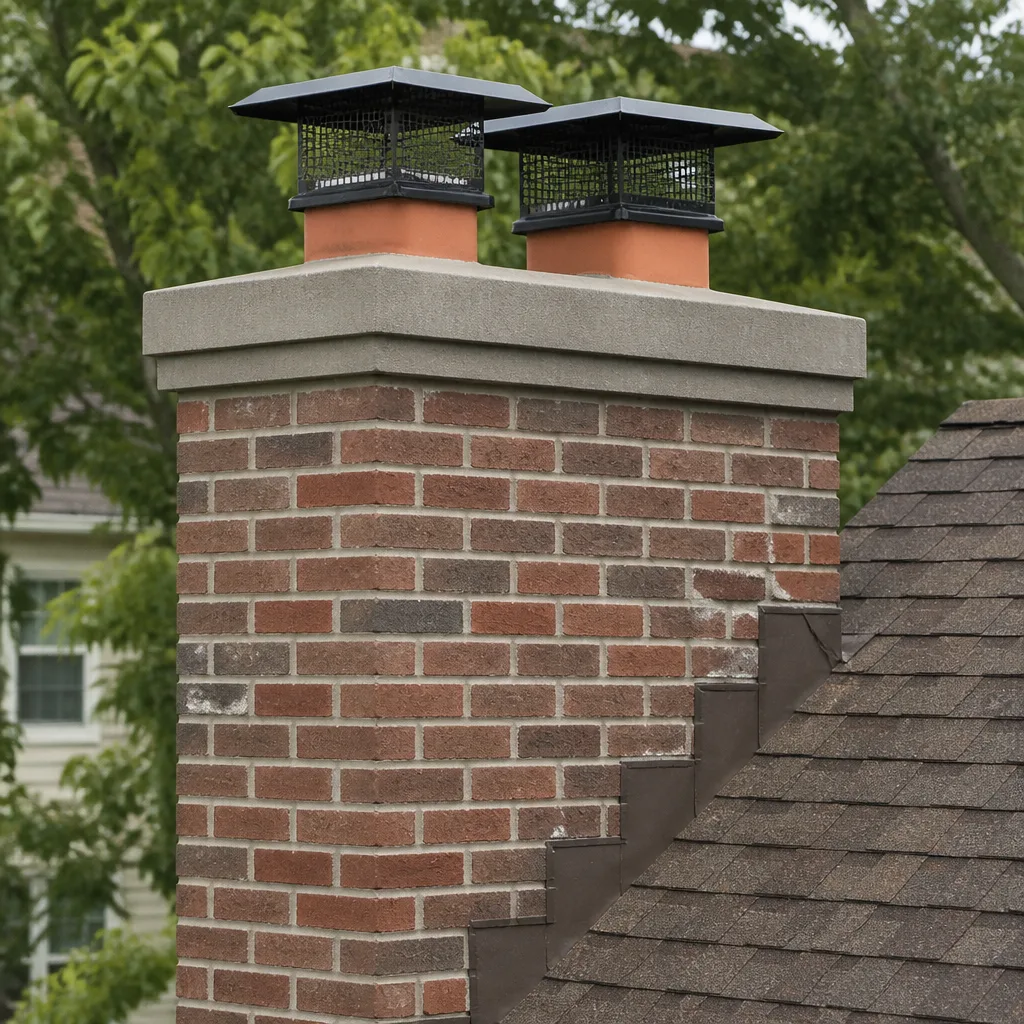 Caps & crowns
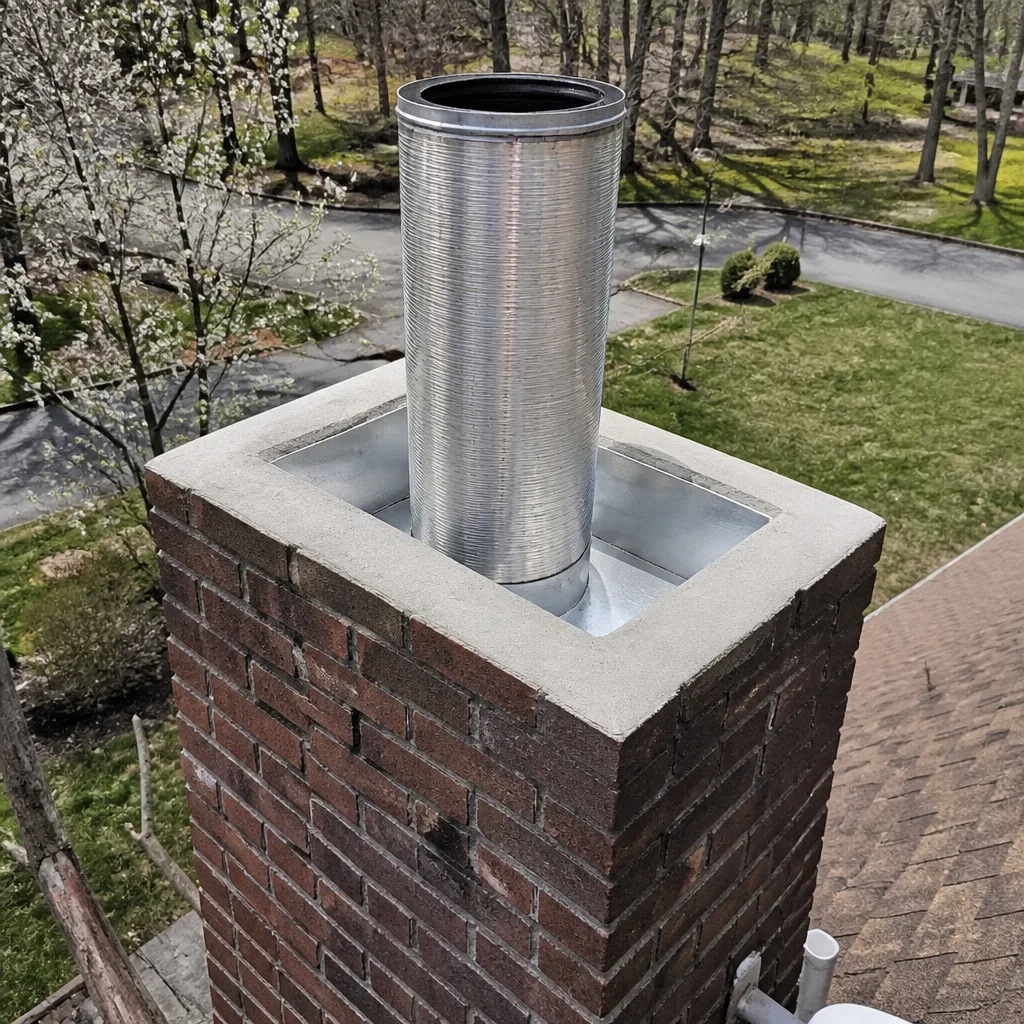 Flue relining
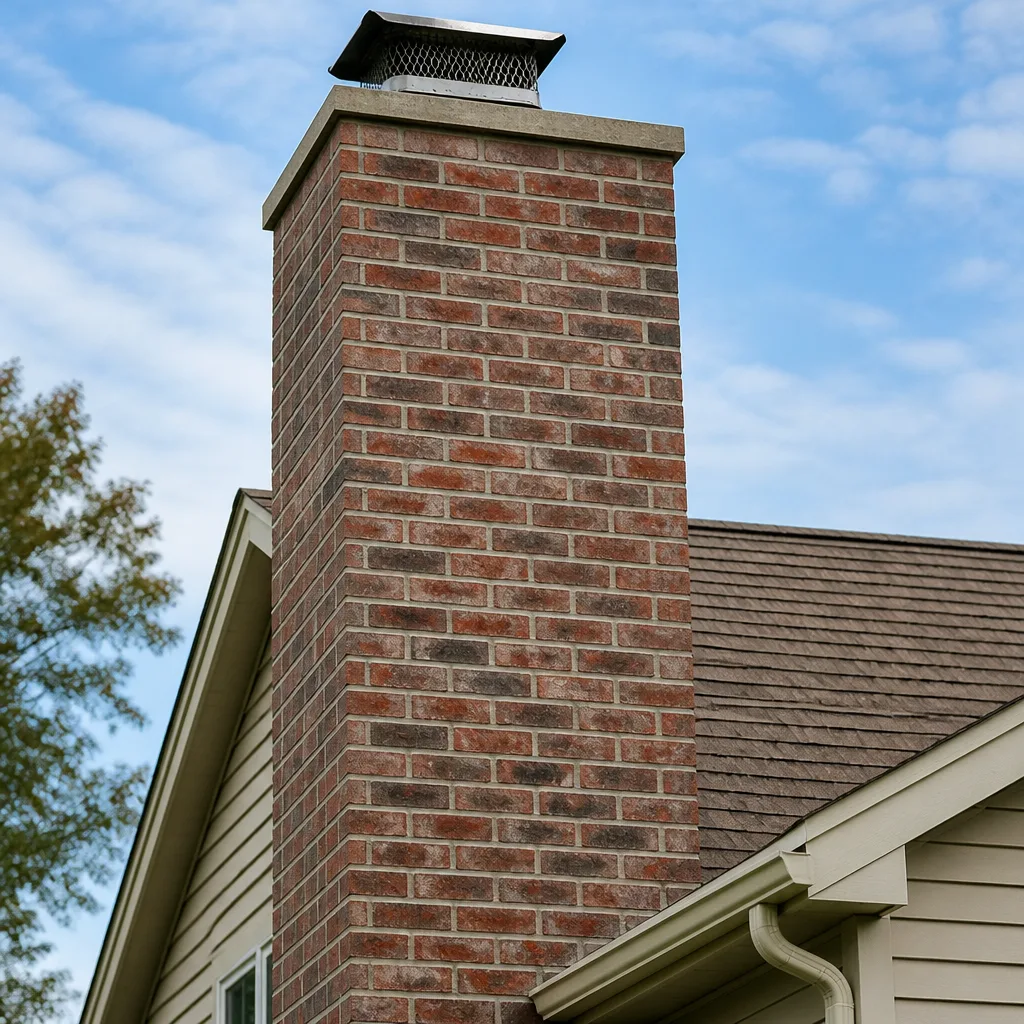 Masonry repair
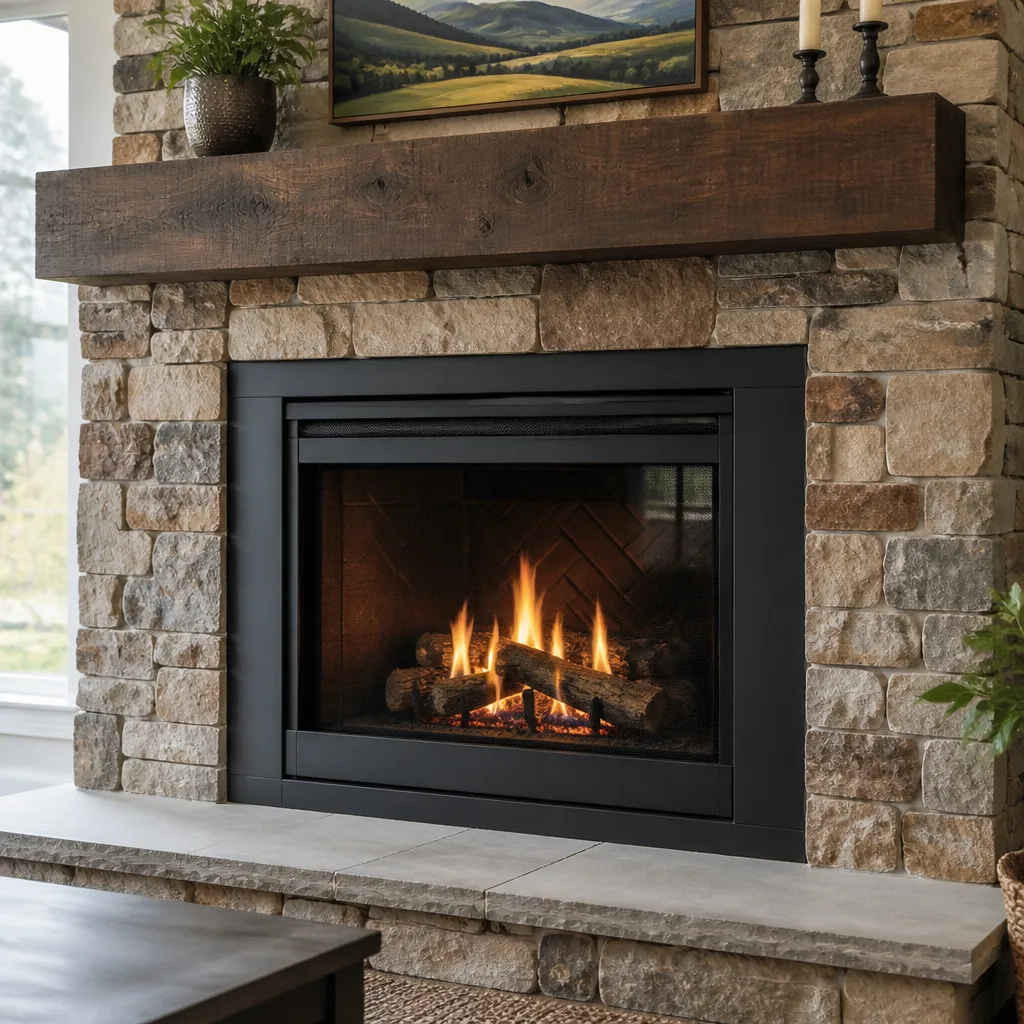 Gas fireplace service
Level 1 sweep and inspection to the NFPA 211 annual standard - flue, crown, cap, and flashing checked and photographed
Chimney sweep logs do not sweep chimneys. They loosen some creosote - which then falls where a brush and vacuum still have to collect it.
Seasonal Chimney Cleaning Care for West Valley City: Year-Round Homeowner’s Guide
Most homeowners in West Valley City think about their chimney exactly once a year: the night the house won’t warm up and they finally light a fire. That’s backward. The single best time to schedule a chimney cleaning here is late August, before the first cold snap, when the calendar is wide open and a sweep can still see what a full summer of UV and monsoon moisture has done to the crown, cap, and flashing. Almost nobody books then, which means the people who do get a longer, more thorough appointment and a fireplace that’s ready on the first genuinely cold night. This guide walks you through all four seasons in West Valley City, what each one does to a chimney, and what you should be checking and scheduling along the way.
Quick Answer
Chimney care in West Valley City is a four-season job, not a once-a-year chore. Winter burning leaves creosote, spring freeze-thaw cycles crack mortar and let water in, summer UV and monsoon rain punish the crown and flashing, and early fall is when a professional sweep does the most useful work. Book a cleaning and inspection in late summer, check the exterior after every storm, and address small repairs before winter turns them into expensive ones.
Styles & brands we work with
- Sweep & inspection
- Caps & crowns
- Flue relining
- Masonry repair
- Gas fireplace service
Table of Contents
- Why West Valley City’s Four Seasons Matter for Your Chimney
- Spring: Reading What Winter Left Behind
- Summer: UV, Monsoon Rain, and the Vulnerable Crown
- Late Summer and Early Fall: The Cleaning Sweet Spot
- Winter: Burning Safely Through Inversions and Cold Spells
- How Wood Storage and Species Affect Your Cleaning Schedule
- A Month-by-Month Care Framework
- Common Mistakes to Avoid
- When to Call a Professional
- Frequently Asked Questions
Why West Valley City’s Four Seasons Matter for Your Chimney
A chimney in a mild climate with steady temperatures only has to survive one kind of weather. A chimney in West Valley City has to survive four very different ones every year, and each puts a different kind of stress on the masonry, the liner, the cap, and the flashing where the chimney meets the roof.
Winter brings hard freezes and long stretches of wood burning. Spring is the transition: freeze-thaw cycles work moisture into every small mortar joint and then expand it, while residual creosote from a full season of fires sits waiting. Summer here is intense, with strong high-altitude sun and the intermittent storms that roll through the valley. Fall is the quiet window when all of it can be inspected and corrected before the next heating season starts.
That’s why the standard advice to “get it cleaned once a year” undersells the work. A single annual sweep catches creosote, but it doesn’t watch for the mortar spalling that a wet spring causes, or the crown cracking that a summer of sun and rain opens up. The frame that actually works in West Valley City is a monthly and seasonal check-in, not a single appointment.
What that looks like in practice:
- After the last fire of spring: have the flue cleaned and inspected once the burning season ends, so creosote doesn’t sit in the flue all summer absorbing moisture.
- After each storm: walk outside and look at the top of the chimney, the cap, and the roof flashing for anything loose or stained.
- Late summer: book the professional cleaning and full inspection.
- Before the first fire: confirm the flue is clear, the damper works, and there’s no visible damage from the summer months.
Our technicians have up to 14 years of experience, and in our work the chimney problems that cost the most are almost always the ones that were visible months before the homeowner noticed.
Spring: Reading What Winter Left Behind
Spring is when a chimney tells you how the winter went. A full season of fires leaves creosote coating the flue, and the freeze-thaw cycles that follow a West Valley City spring push moisture into any crack or soft mortar joint and then expand it when the temperature drops overnight. That’s the mechanism behind most of the cracked mortar and loose brick we see by early summer. It starts small in spring and gets expensive by fall.
Two things are happening at once after winter. Inside the flue, creosote is sitting there, and creosote absorbs moisture. Outside, water is finding its way into the masonry through mortar joints that a hard winter opened up, and through any hairline crack in the crown. Once water is inside the chimney structure, it doesn’t just evaporate. It freezes and thaws all over again, and each cycle widens the gap.
What to look for yourself in spring:
- White, chalky staining on the brick or mortar (efflorescence) – a sign moisture has been moving through the masonry.
- Crumbling or sandy mortar joints, especially on the side of the chimney that faces the weather.
- Loose or spalling brick faces, where the surface has flaked or popped off.
- Rust stains or corrosion on the firebox, damper, or chimney cap.
- Dampness or a musty smell inside the firebox after dry weather.
Here’s the reason spring inspection matters so much in West Valley City: if you catch a soft mortar joint or a hairline crown crack in spring, the repair is small. If you wait until fall, that same crack has had a full summer of sun and monsoon rain to grow and has had water sitting in the chimney structure for months. Handling it in spring also means the chimney goes into summer watertight, which is the whole point.
Catching it early is the cheapest repair you’ll ever make to a chimney. Call (855) 629-7505 to book a spring inspection.
Summer: UV, Monsoon Rain, and the Vulnerable Crown
Summer is the season most homeowners assume their chimney is “resting.” In West Valley City it’s actually the season that does the most exterior damage. The combination of strong high-altitude sun and the intermittent monsoon storms that push through the valley is hard on the components at the top of the chimney: the crown, the cap, and the flashing where the chimney meets the roof.
The crown is the sloped concrete or mortar surface at the very top of the chimney. It’s designed to shed water away from the flue. UV exposure dries and cracks it over time, and once it’s cracked, monsoon rain runs straight into the chimney structure instead of off it. The cap protects the flue opening from rain and animals; a damaged or missing cap lets water straight down the flue. And the flashing – the metal where the chimney penetrates the roof – is the most common source of leaks into a house, because it moves slightly with every temperature swing and eventually pulls away from the masonry.
What to check after a summer storm:
- The crown. Look for cracks, crumbling edges, or a crown that’s pulling away from the flue.
- The cap. Confirm it’s still seated, intact, and correctly sized to the flue. A proper cap is a professional-grade component – the ones we install are from chimney repair suppliers like Gelco and Famco for exactly that reason.
- The flashing. Look for lifted edges, gaps, or rust at the roof line.
- Interior water stains. After a heavy storm, check the ceiling and walls near the chimney for any new staining or dampness.
- The firebox. Any water in the firebox after rain means something above is letting it in.
One thing we tell every West Valley City homeowner: don’t wait for a leak to show up inside the house before you check. By the time water reaches your ceiling, it’s been traveling through the chimney structure for a while. A visual check of the crown, cap, and flashing after each storm costs nothing and catches most of these before they become interior repairs.
Late Summer and Early Fall: The Cleaning Sweet Spot
Late August through early October is the best window in West Valley City to book a professional chimney cleaning, and it’s the window almost nobody uses. Book in that stretch and you get an appointment that isn’t competing with the November rush, a sweep who can see the summer’s damage clearly before heating season, and a fireplace that’s ready the night the first real cold front comes through.
There’s a practical reason this timing works better. By late summer, the exterior has been through a full season of sun and storms, so any damage a summer opened up is fully visible. The flue still holds last winter’s creosote. And nothing is burning yet, so a sweep can do a complete cleaning and inspection without rushing to get you back to a fire. If problems turn up – a cracked crown, a damaged cap, a liner issue – there’s time to repair them properly before winter instead of squeezing it in during the first cold week.
What a proper end-of-summer appointment should include:
- A full flue cleaning with the right brush for your flue type, with drop cloths protecting the living space.
- A camera inspection of the flue to see the liner, joints, and any obstructions or damage the brush can’t reach.
- A check of the firebox, damper, smoke chamber, and cap. These are the components that decide how well the chimney actually drafts.
- An exterior inspection of the crown, flashing, and masonry, since all of it is already exposed.
- A clear explanation of what was found – what needs attention now, what can safely wait, and what the written estimate covers.
We work through the materials a professional chimney job actually calls for: DuraFlex for flexible liner work, HeatShield for ceramic resurfacing where the liner has cracks that sweeping can’t fix, and Blackwell Chimney Sweep for the full range of inspection, cleaning, and repair so you’re not chasing a second contractor. If a sweep finds a problem, we can often handle the repair on the same visit instead of sending you back to the start.
The chimney sweep you book in late summer is the one that makes winter easy. Schedule yours before the rush.
Winter: Burning Safely Through Inversions and Cold Spells
Winter in West Valley City means two chimney-related hazards that homeowners here need to take seriously: creosote buildup from a full season of fires, and the backdraft conditions that come with the valley’s winter inversions. Inversion conditions trap cold, dense air in the valley, and that affects how your chimney drafts. A fire that drafts poorly can push smoke back into the room, and a flue that isn’t clean enough to vent properly is where the real risk is.
The creosote risk is the one the industry talks about most, and for good reason. Burning wood creates creosote in the flue, and creosote is flammable. If enough builds up and a hot fire sends sparks or hot gases up the flue, that creosote can ignite – and a chimney fire can burn at temperatures that damage the liner and the masonry even if the fire never escapes the flue. A chimney fire can also go unnoticed for a while, especially if it’s a slow one. That’s why the annual cleaning matters: it removes the creosote before it becomes the fuel.
Signs your chimney may not be drafting correctly in winter:
- Smoke rolling back into the room when you first light a fire or add wood.
- A fire that’s hard to start or keeps dying down, even with dry wood.
- Eyes stinging, a headache, or a smoky smell in the room while the fire is running.
- The firebox staying visibly sooty or glassy after a fire.
Any of these are a reason to stop burning and have the chimney checked. On a cold inversion week, we’d rather tell you it’s fine than have you keep burning into a problem. And one caveat worth stating plainly: creosote is a real concern, but the actual removal of it is not a job for a homeowner with a brush. A flue that’s blocked or damaged, a firebox with real problems, and the repair work itself are all serious – a trained technician should handle the inspection and the cleanup.
During a winter cold spell, don’t let a small chimney problem turn into a serious one. Call (855) 629-7505. We answer 24/7. Fast dispatch from 7am to 7pm, Sunday through Friday.
How Wood Storage and Species Affect Your Cleaning Schedule
The most underrated variable in how often a West Valley City chimney actually needs cleaning is the wood going into it. Species and seasoning matter more than most homeowners realize, and they change how fast creosote accumulates. You can’t tell the wood by the calendar; you tell it by how it burns.
Hardwoods like oak, maple, and ash are denser and burn hotter and longer than softwoods, and they tend to produce less creosote per cord when properly seasoned. Softwoods like pine and fir burn fast and hot, but they also produce more creosote, especially when they haven’t dried fully. The single biggest factor, though, is moisture content – wood that isn’t fully seasoned releases a lot of water vapor into the flue, which cools the smoke and lets creosote condense on the liner. Dry wood burns clean; wet wood builds creosote.
How to manage your wood in West Valley City:
- Season it fully. Split, stacked wood should be dry before burning. “Seasoned” from a firewood seller doesn’t always mean fully dry – check before you rely on it.
- Split it smaller. Smaller splits dry faster and burn better than large rounds.
- Store it under cover but not sealed. Keep it out of rain but let air move around and through the stack.
- Burn hot. A hot, active fire burns cleaner smoke than a slow, smoldering one. Smoldering is the creosote-maker.
- Take the burn habits seriously. Heavy, slow, smoldering fires through a full West Valley City winter will build creosote faster than hot fires.
In practical terms, that means a homeowner who burns dry hardwood with hot fires in a well-drafted chimney can often go longer between cleanings than one who burns damp or soft wood through a smoldering fire season. Neither of those is a rule – the only way to know when your chimney needs cleaning is to have it inspected. But the wood you put in changes how quickly the flue fills up.
A Month-by-Month Care Framework
Here’s the seasonal framework we recommend to West Valley City homeowners who want to stay ahead of chimney problems instead of reacting to them. It’s not a rigid schedule – it’s a set of timely checks that map to what each season actually does to your chimney.
- January and February (peak heating): Burn dry, fully seasoned wood and keep fires hot. Watch for smoke rolling back into the room or a fire that’s sluggish to start, both signs to have the chimney checked before the next fire.
- March and April (thaw): Look for white efflorescence, crumbling mortar, or spalling brick outside after the freeze-thaw starts. Book a cleaning and inspection to get last winter’s creosote out of the flue.
- May and June (late spring): Walk the exterior after storms. Check the crown and flashing for cracks or gaps and have anything small repaired so it goes into summer watertight.
- July and August (summer): After monsoon storms, check the crown, cap, flashing, and the ceiling near the chimney for any leaks. Keep the wood stack covered and off the ground.
- Late August to October (the sweet spot): Book your professional cleaning and full inspection. Address whatever it turned up while there’s still time before the first fire.
- November and December (early heating): Before the first fire, make sure the flue is clear, the damper works, and the cap is in place. Light a small test fire and check the draft before you rely on the fireplace for heat.
None of these steps is complicated. The value is in doing them at the right time – checking the crown in summer while it’s dry, booking the sweep in late summer rather than in the November rush – so each season’s damage gets caught before the next one adds to it.
Common Mistakes to Avoid
- Waiting until the first cold snap to book a cleaning. That’s when everyone else in West Valley City calls too. Book in late summer when the calendar is open and the sweep has time to do the full job.
- Thinking a clean flue means a healthy chimney. A cleaning removes creosote; an inspection finds the cracked crown, the pulling flashing, and the liner damage that a brush alone can’t see. They’re different jobs and you need both.
- Using a big-box cap or “one-size” hardware. A cap that doesn’t fit the flue properly doesn’t protect it. We install professional-grade caps and ventilation components from Gelco and Famco for that reason.
- Ignoring the crown and flashing because “the fire burns fine.” A chimney can draft perfectly and still be leaking water into the structure for months. The interior fire and the exterior watertightness are two separate concerns.
- Burning wet or unseasoned wood to save money. Damp wood means more creosote in the flue, which means more frequent cleanings and more risk. The savings disappear quickly.
- Skipping the check after the first fire of the season. A small test fire is the cheapest diagnostic you have. If it smokes, backdrafts, or struggles to catch, stop and have the chimney looked at before the next fire.
- Assuming a cleaning is a substitute for a professional look. If you’re cleaning the chimney yourself, you’re seeing the flue, not the liner, the crown, or the smoke chamber. A camera inspection catches what a brush passes over.
When to Call a Professional
You should call a professional when you haven’t had the chimney inspected in the last year, when a fire struggles to draft or pushes smoke into the room, when you see a cracked crown, crumbling mortar, spalling brick, or a cap that’s come loose, or when water shows up inside the firebox or on the ceiling near the chimney. If a fire has burned unusually hot or you’ve seen any sign of a chimney fire, that’s also a call a professional should handle, not a wait-and-see job. And if you’re moving into a new-to-you West Valley City home with a wood-burning fireplace, a full inspection before the first fire is the right start.
Blackwell Chimney Sweep offers free estimates in West Valley City – call (855) 629-7505. Chimney work is all we do, so a cleaning found the problem and the repair can often fix it in a single visit. We answer 24/7. Fast dispatch from 7am to 7pm, Sunday through Friday.
Frequently Asked Questions
It depends on how much you burn and how well the chimney drafts, but once a year is the standard starting point, and most wood-burning homes here should be inspected annually regardless. A full season of fires in a cold West Valley City winter builds enough creosote to justify a cleaning before the next heating season. If the cleaning turns up heavy buildup, the sweep may recommend a different interval. Call (855) 629-7505 for a free estimate.
Late August through early October. That window catches the summer’s exterior damage while it’s still visible, gets last winter’s creosote out of the flue, and leaves time to make any repairs before the first cold night. It’s also the quietest time on every sweep’s calendar, so you get a longer, more thorough appointment instead of a rushed one. Call (855) 629-7505 to book before the fall rush.
Yes. A cleaning removes creosote but doesn’t tell you whether the liner is cracked, the crown is failing, or the flashing is letting water in. An inspection is what catches those, and it’s part of what protects your home going into winter. We include a camera inspection and a clear explanation of what we found with every cleaning. Call (855) 629-7505 for a free estimate.
Creosote keeps building up in the flue, and creosote is flammable. Heavy buildup is a chimney fire risk, and a chimney fire can damage the liner and the masonry even when it stays inside the flue. Skipping also means you miss the exterior damage a wet spring or a stormy summer caused, and small repairs become larger ones. Call (855) 629-7505 for an exact estimate – estimates are free.
During an inversion, cold, dense air sits in the valley and affects how well your chimney drafts. A fire that drafts poorly can push smoke back into the room. If you see smoke rolling back, a fire that struggles to catch, or a smoky smell in the room, stop burning and have the chimney checked before the next fire. Call (855) 629-7505 for a free estimate.
Light between-visit tasks are fine: check the crown and cap from the ground after storms, keep your wood dry and covered, and confirm the damper works before the first fire. The cleaning itself is different – a brush doesn’t show you the liner, the joints, or the smoke chamber. The inspection is the part that finds the problems, and that needs a trained technician with a camera. Call (855) 629-7505 to schedule one.
The Bottom Line
Chimney care in West Valley City is a four-season job. Winter leaves creosote and inversion-driven drafting problems; spring freeze-thaw cracks mortar and lets water in; summer UV and monsoon rain damage the crown, cap, and flashing; and late summer is when a professional cleaning and inspection does the most good. The homeowners who get the best results aren’t the ones who remember their chimney once a year. They’re the ones who watch the exterior after storms, burn dry wood, book the cleaning in late summer, and call at the first sign of a draft problem. If you’re due, Blackwell Chimney Sweep offers free estimates in West Valley City – call (855) 629-7505. We answer 24/7. Fast dispatch from 7am to 7pm, Sunday through Friday.
Written by the team at Blackwell Chimney Sweep.
See the difference
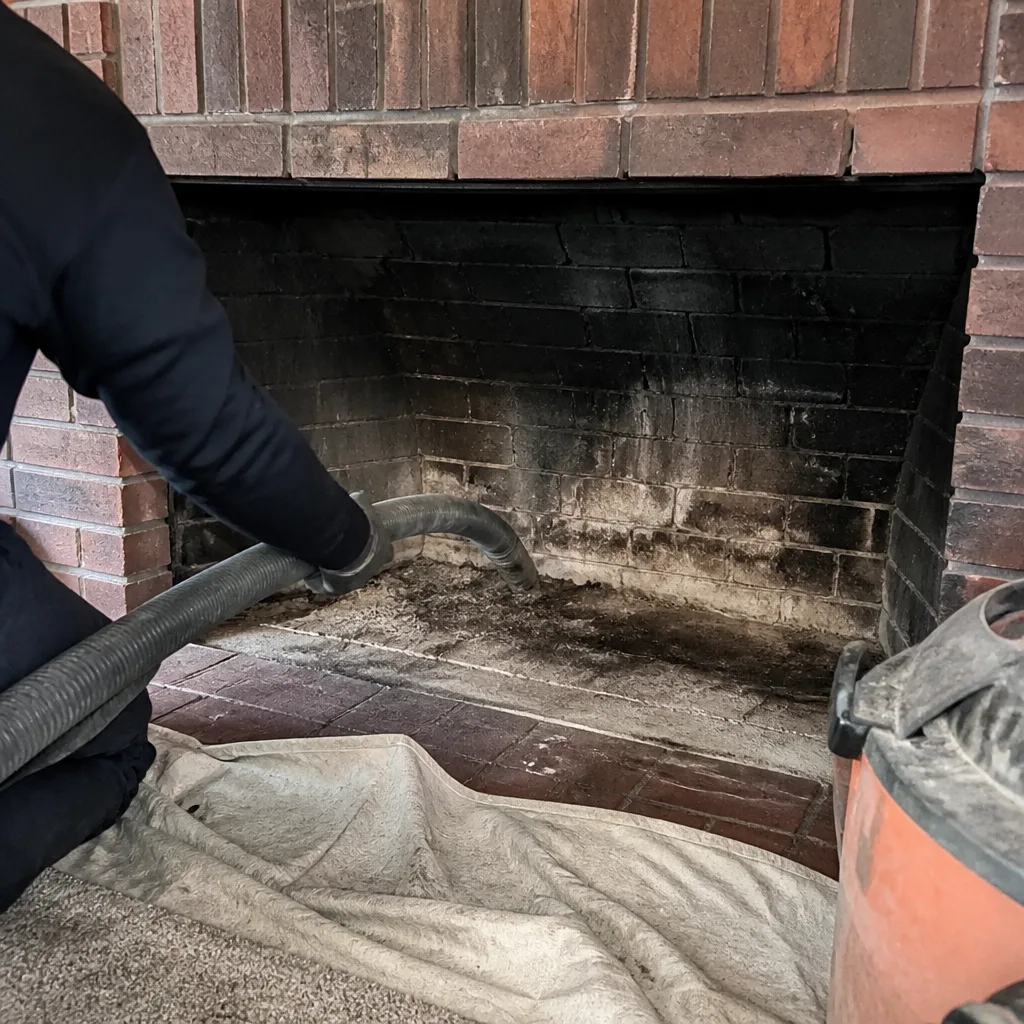 Before
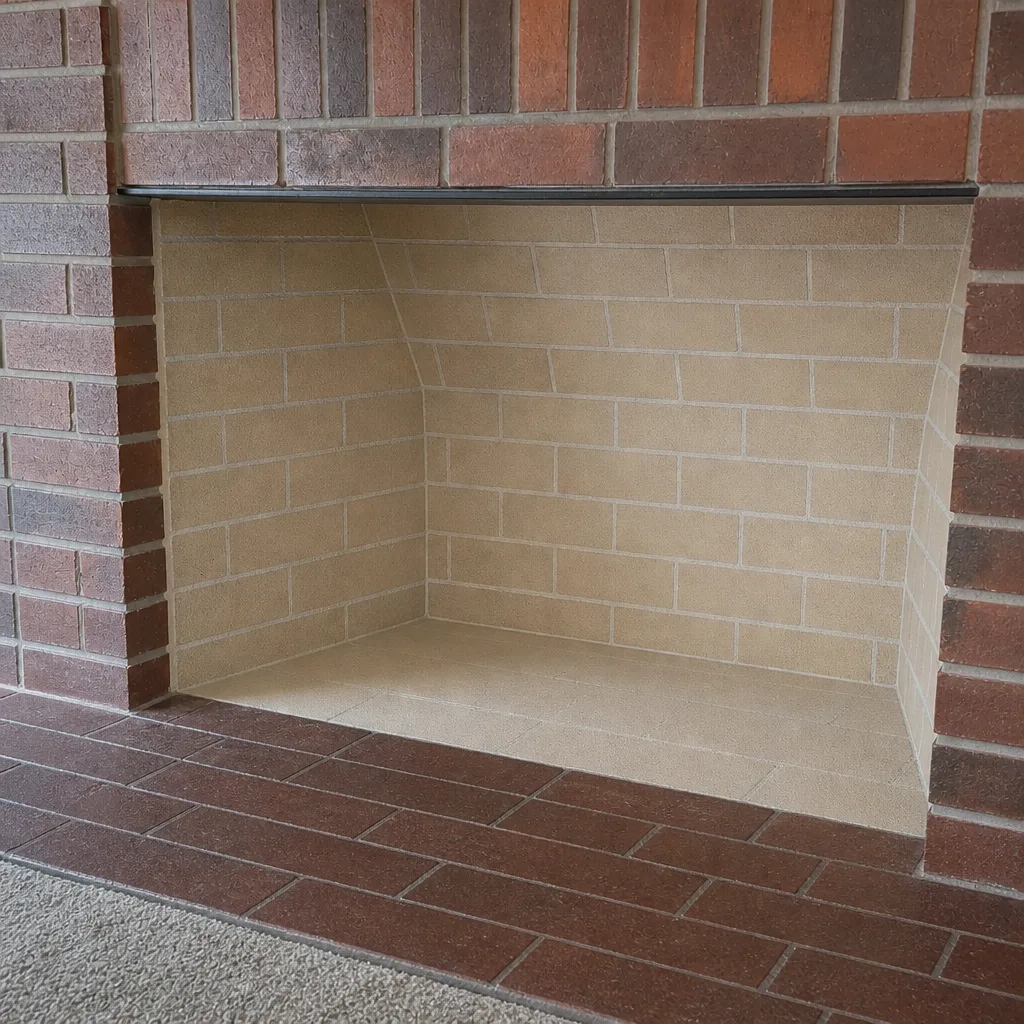 After
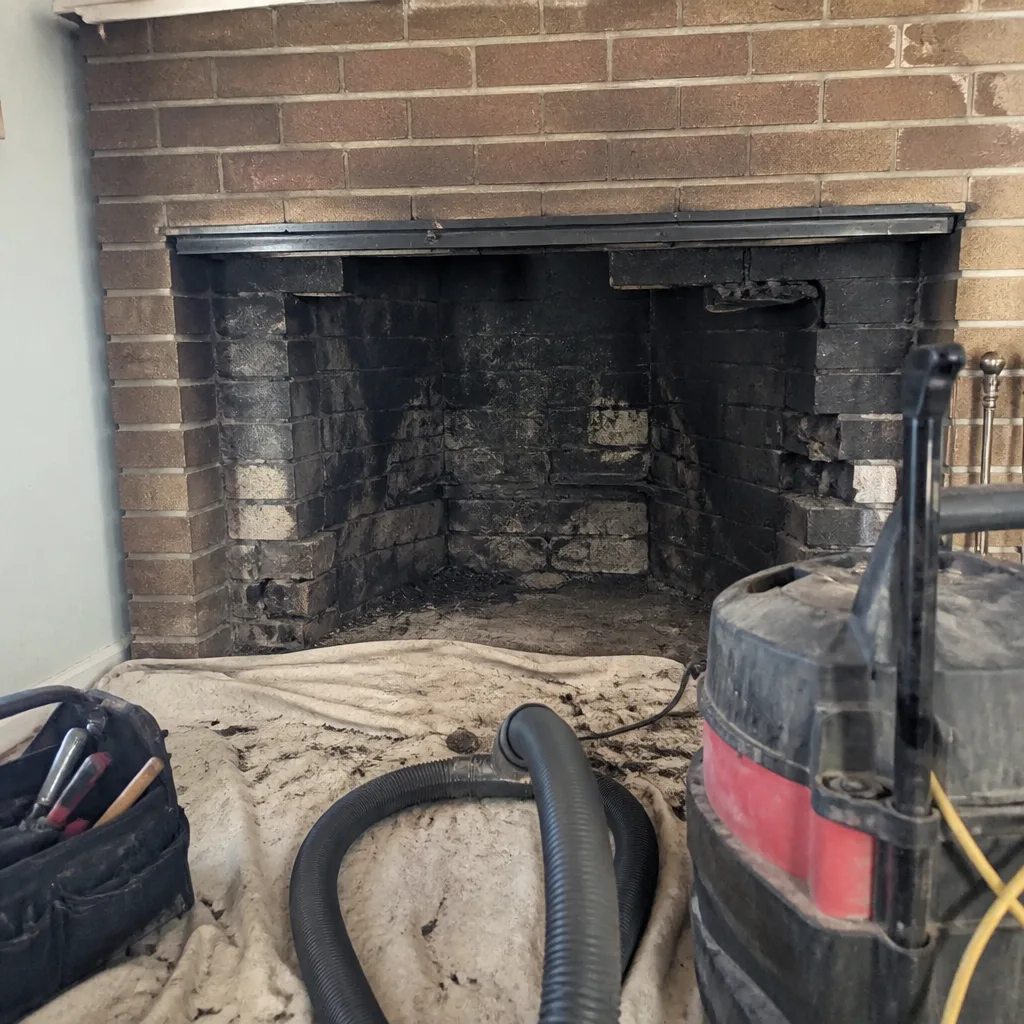 Before
 After
 Before
 After