
Last updated November 16, 2026
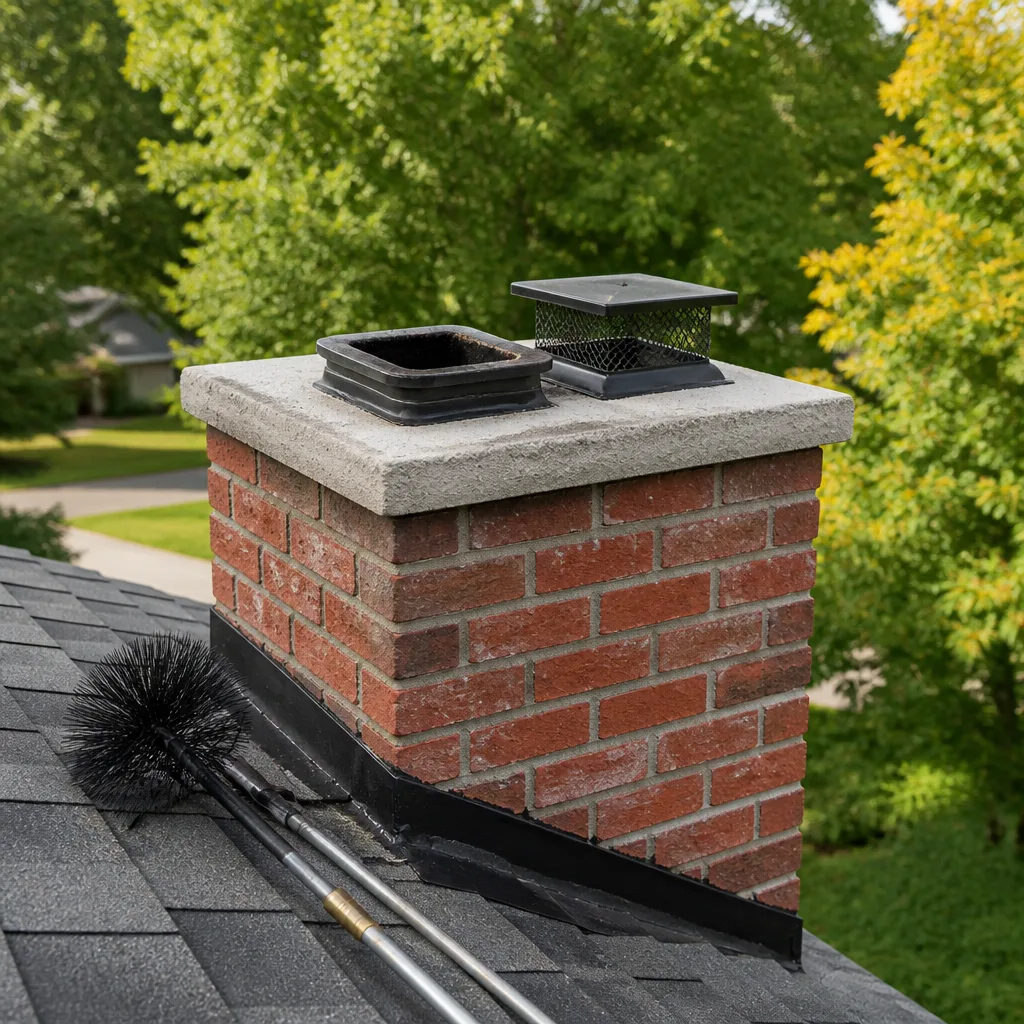 Sweep & inspection
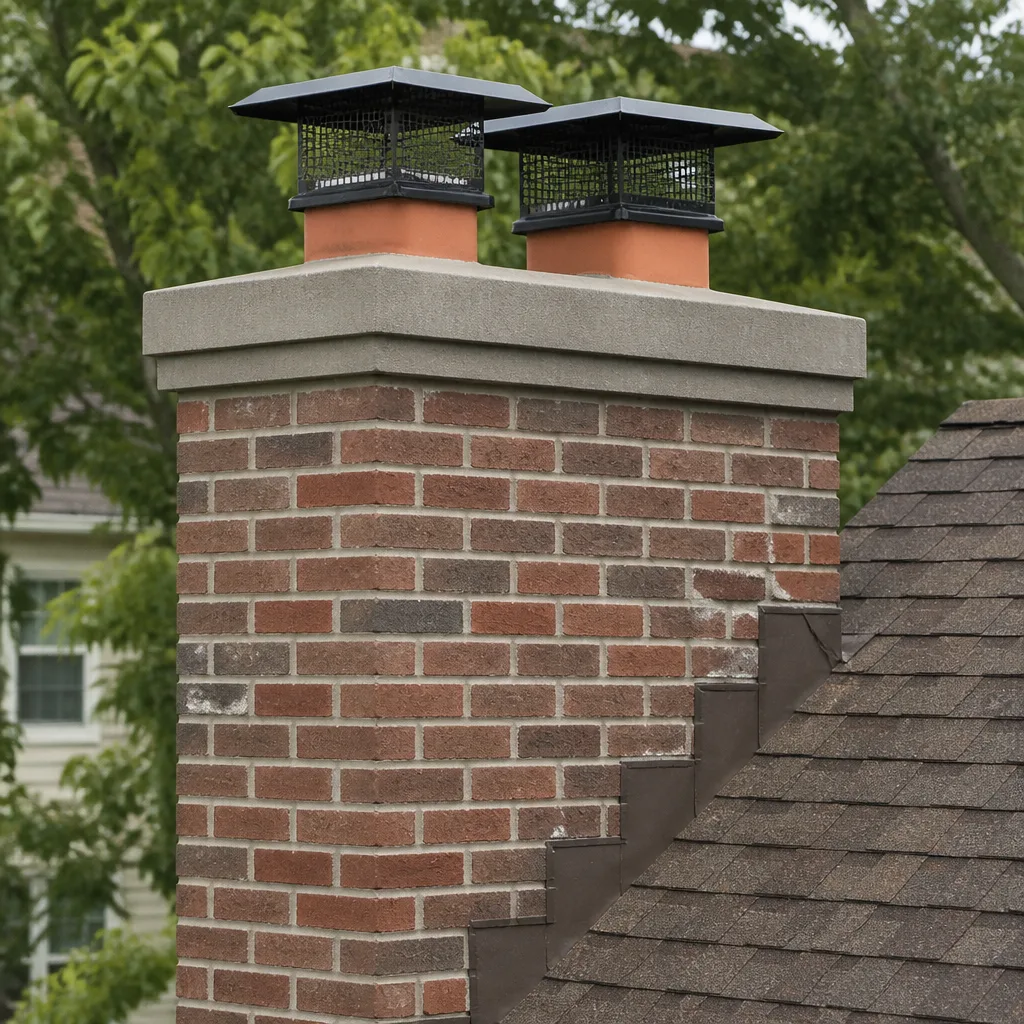 Caps & crowns
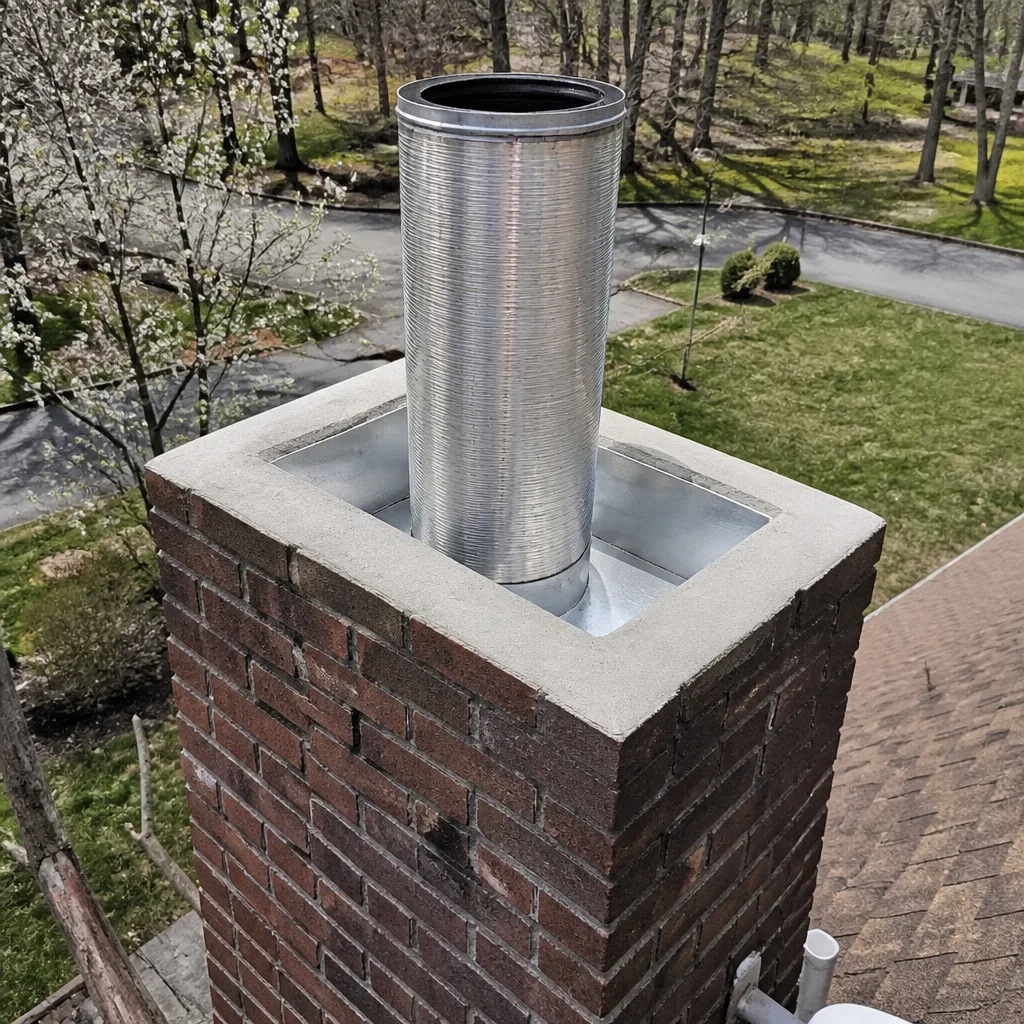 Flue relining
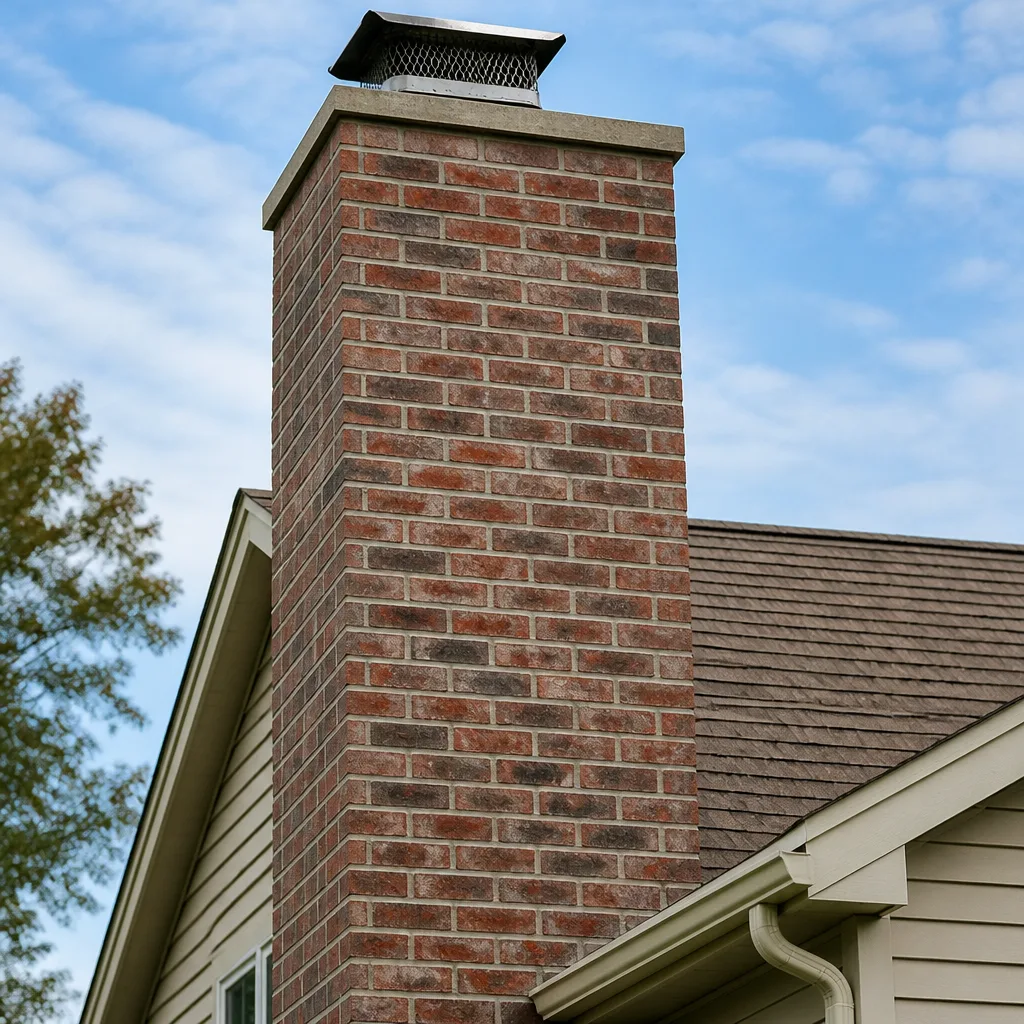 Masonry repair
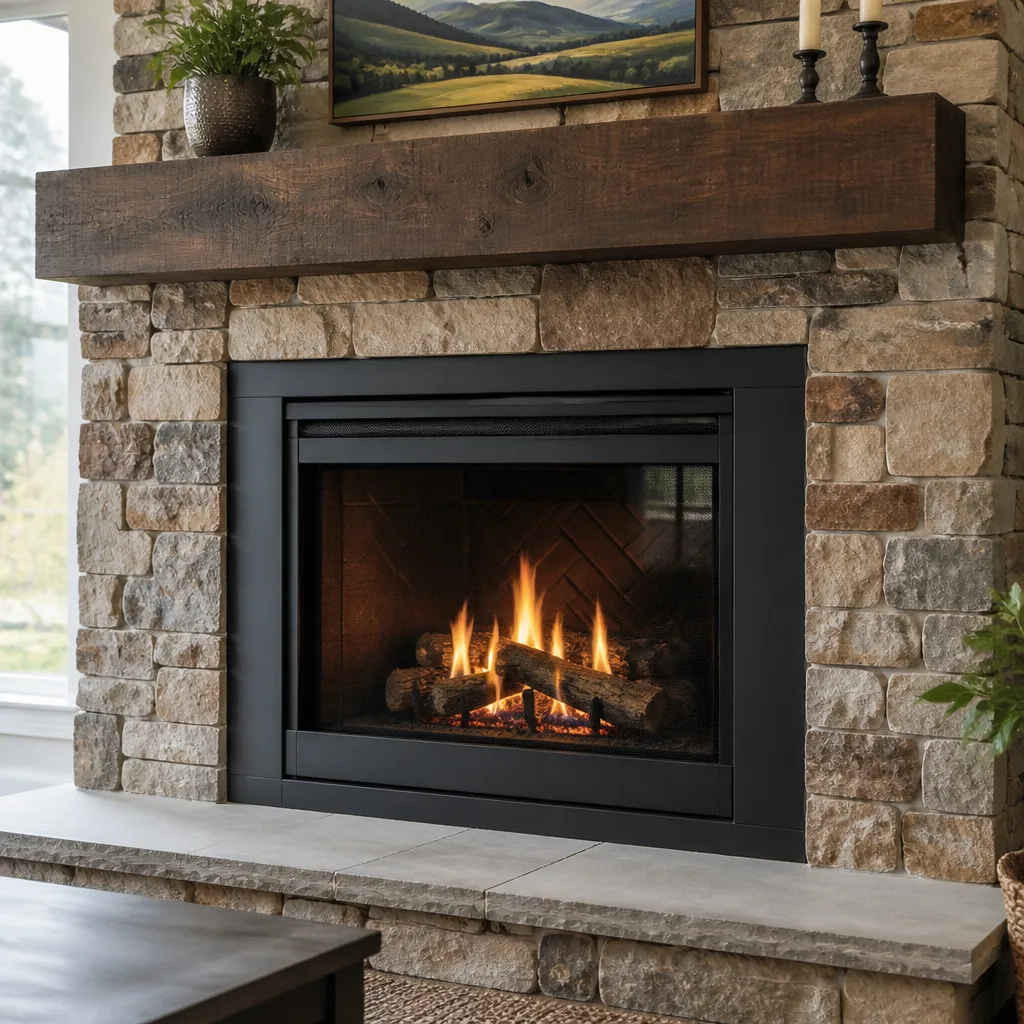 Gas fireplace service
Level 1 sweep and inspection to the NFPA 211 annual standard - flue, crown, cap, and flashing checked and photographed
Chimney sweep logs do not sweep chimneys. They loosen some creosote - which then falls where a brush and vacuum still have to collect it.
DIY vs Professional Chimney Cleaning: The West Valley City Homeowner’s Decision Guide
Most chimney fire damage we see starts as a fire that was avoidable, and it rarely starts because the homeowner never cleaned the chimney. More often, it starts because the homeowner cleaned what a brush could reach and never learned what the brush missed. A hardware-store brush and rods will pull loose, powdery soot out of a flue. They will not lift glazed stage-2 creosote, they will not tell you your liner has a hairline crack, and they will not catch the bird nest resting on a smoke shelf behind the damper. This guide is the honest conversation about where DIY chimney cleaning genuinely works in West Valley City, where it quietly fails, and how to tell the difference before you light the first fire of the season.
Quick Answer
DIY chimney cleaning is a reasonable option only when three conditions are true at once: your system burns dry, seasoned wood at low volume, a professional has already confirmed the liner is sound, and you’re removing stage-1 soot and not glazed creosote. In every other case, professional cleaning in West Valley City is the safer choice because the risks that actually cause chimney fires – stage-2 glazed creosote, liner cracks, blocked flues, and hidden damage – are things a brush kit cannot see, test, or remove. A $90 brush set saves you money only when the chimney is clean enough that a professional would have found little to do anyway.
Styles & brands we work with
- Sweep & inspection
- Caps & crowns
- Flue relining
- Masonry repair
- Gas fireplace service
Table of Contents
- What DIY Chimney Cleaning Can Actually Accomplish
- The Equipment Gap: What a Brush Kit Can’t Do
- When DIY Is Never the Right Call
- How a Professional Cleaning Actually Works
- The Honest Cost Comparison: When DIY Saves and When It Defers
- The Insurance and Documentation Reality
- West Valley City Climate, Housing, and Burning Habits
- A Simple Decision Framework You Can Use
What DIY Chimney Cleaning Can Actually Accomplish
It’s worth being specific about DIY’s legitimate range, because the honest answer isn’t “never do it yourself.” DIY chimney cleaning is genuinely useful in a narrow, well-defined situation: a wood-burning system on low annual use, with a liner already confirmed sound by a professional inspection, burning dry wood, and accumulating only soft, flaky stage-1 creosote. That type of creosote is the kind you can scrape with a fingernail. It’s the byproduct of complete combustion, and a proper brush on the right brush, sized to the flue, will remove it.
That range of conditions covers a lot fewer West Valley City homes than you’d think. Picture a house on the west bench with a fireplace used a few times each winter at holidays. That’s a plausible DIY candidate. Now picture a house anywhere in West Valley City where the fireplace is the main evening heat source from November through March – that’s a different system with a different creosote profile, and the brush is doing less than it looks like it’s doing.
When DIY is defensible, it looks like this:
- Low annual use. A few fires a season, not nightly fires over a full winter.
- Seasoned, dry wood. Wood that’s been dried properly, not green or freshly split.
- Confirmed sound liner. A professional has inspected the flue and told you the liner and connections are intact.
- Stage-1 creosote only. Soft, flaky, powdery deposits. Not shiny, not glazed, not tar-like.
- Clear visible access. You can see the firebox, damper area, and smoke shelf.
- You’ve done it safely before. Roof or ladder access is genuinely safe where you live.
If even one of those fails, the calculation changes. And “I’m not sure whether my liner is sound” counts as a fail, because the liner is the thing the whole fire risk runs through, and you can’t inspect a liner from the rooftop with a flashlight.
The Equipment Gap: What a Brush Kit Can’t Do
A roadside brush kit and a professional cleaning system look like the same category of tool from the outside. They’re not. The difference between a homeowner brushing a chimney and a proper chimney sweep isn’t the effort, it’s the tools and the record they produce.
Here’s what professional equipment actually adds:
- Rotary cleaning systems. Powered rotary heads spin against the flue walls to lift harder deposits, including the glazed creosote a brush skates over. A stiff brush on a rod only gets what it can scrape.
- Inspection cameras. A video camera run down the flue reveals cracks, gaps in the liner, offset joints, and blockages the eye can’t reach from either end of the chimney.
- Liner testing tools. A professional checks the liner’s integrity with methods a homeowner can’t replicate in the driveway. That’s the whole reason a sweep and an inspection go together.
- Proper brush sizing and material. The wrong brush can scratch a stainless liner or fail to make contact with a clay tile flue. Getting this right is a trade skill, not a purchase.
- Containment and cleanup. Professional systems seal the firebox area so the interior of your home stays clean, which is the part DIY homeowners most often underestimate.
Those gaps matter because the fire risks in a chimney are mostly in the parts DIY has no visibility on. A brush tells you nothing about a hairline crack in a clay tile liner that heat is bleeding through. That’s why a proper sweep is followed by a documented inspection, and why Blackwell Chimney Sweep runs both under one scope: Sweep. Inspect. Repair. All in one visit. When we find liner damage during the inspection, we can advise on repair on the spot, using HeatShield ceramic resurfacing for cracks and deterioration that a sweep alone can’t solve. That’s the phase most DIY cleaning defers indefinitely – until the problem finds its own way to announce itself.
When DIY Is Never the Right Call
There are situations where DIY chimney cleaning goes from “a defensible shortcut” to “an actual hazard.” If any of the following applies to your West Valley City home, take the brush kit back to the store and book a professional.
- You can see shiny, glazed, or tar-like creosote. This is stage-2 creosote, and it’s the phase most associated with chimney fires. It’s stubborn and often needs chemical treatment or rotary cleaning, not a brush. If you see it, stop.
- You suspect liner damage. Cracks, gaps, or displaced sections in a liner are a real fire risk. You can’t diagnose them yourself, and cleaning a damaged liner can make the situation worse.
- You have a wood insert or gas conversion. Inserts and gas systems have category-specific requirements. Improper cleaning on a misconfigured system is worse than not cleaning at all.
- The last cleaning was more than a couple of seasons ago. Long intervals usually mean heavier deposits, and heavier deposits mean the job is out of DIY range.
- The chimney smells smoky between uses, or smokes back into the room. Backdrafts and smell on warm days are signs of blockage or pressure problems, not just soot. That needs a proper diagnostic, not a brush.
- You’ve had a bird or animal nesting issue. The nest might be sitting on the smoke shelf or dropped halfway down the flue. Getting it out cleanly requires tools and a camera.
- Roof access isn’t safe for you. Steep pitch, worn shingles, or two-story access with an unstable ladder: these alone are enough to justify calling a professional.
Note that three of those seven – liner damage, glazed creosote, and inserts – are exactly the conditions DIY cleaning can’t rule in or out. That’s the honest crux of this whole conversation.
How a Professional Cleaning Actually Works
A professional chimney cleaning isn’t dramatically more complex than the DIY version. The difference is the order of operations and what happens when something is found. Here’s the typical flow we work through in West Valley City homes.
- Exterior and roof assessment. Before anything else, the flue is checked from the top for obvious structural issues, animals, damage, and cap condition. Caps and ventilation components like those from Gelco or Famco get inspected while we’re up there.
- Interior containment. A drop cloth and a sealed firebox area keep soot out of the room. This is what saves the carpet in the living room.
- Flue brushing and rotary cleaning. Properly sized brushes clear the flue. If glazed creosote needs breaking down, rotary tools handle it.
- Firebox, damper, and smoke shelf cleaning. The parts of the system most likely to hold a bird nest, leaves, and soot are cleared and checked.
- Inspection. The flue lining and all components get checked. In our experience, this is where a job turns from “cleaning” into “repair” most often. Small cracks in the liner, a damaged damper, or connections that have shifted are usually invisible until the flue is examined.
- Written findings. You get a clear explanation of what was found and what it means. Some observations are urgent. Some can safely wait. That determination matters as much as the cleaning itself.
That last step is where we draw a clear line: nothing is recommended without photo evidence you can see for yourself. If the liner is sound and the creosote is minor, we say so. If a HeatShield resurfacing or a DuraFlex flexible liner system is what the system actually needs, we can show you why, and we can install it, since we work with DuraFlex flexible liner systems and specialist-tier resurfacing products as part of the same service.
The Honest Cost Comparison: When DIY Saves and When It Defers
Here’s where a lot of DIY guides get vague. DIY cleaning saves money if the chimney would have passed inspection with no repair needed and the creosote was minor. It costs more if the DIY cleaning delays a problem that gets worse. The table below compares the general ranges for each path.
What each approach typically costs and delivers
| Item | Typical cost range | What it includes |
|---|---|---|
| DIY brush and rod kit | $50 – $150 | Tools. No inspection, no documented findings, no liner test. |
| Professional sweep only | $150 – $250 | Cleaning, containment, cleanup. Varies by flue complexity. |
| Professional sweep plus inspection | $200 – $350 | Cleaning plus full inspection of components. The value is in the findings. |
| Glazed creosote removal (rotary or chemical) | $300 – $600 | Only applies when stage-2 is present. Usually multi-visit. |
| Liner resurfacing (HeatShield) when cracks found | $1,200 – $2,800 | Only if inspection shows liner deterioration. |
| Flexible liner system install when liner fails | $2,500 – $5,500 | Only if the existing liner is unsalvageable. |
These are typical estimates for West Valley City market conditions, not exact prices. The written estimate after an inspection sets the final number. Applied honestly, the math looks like this: DIY saves real money in Year 1 if the chimney is healthy. But it doesn’t tell you whether the chimney is healthy. If you own the home for five years and skip professional inspection each of those years, you’re accumulating risk that only becomes expensive once it’s found late. A sweep and inspection every year isn’t cheap. A liner failure that goes undetected for a season and then requires a full liner replacement is significantly more.
That’s the honest framing: DIY defers the inspection cost. It doesn’t eliminate it. It just relocates it to whenever the problem makes itself known.
The Insurance and Documentation Reality
Most homeowners don’t think about this until it’s relevant, and by then it’s too late. If your home has a chimney fire and you need to file a claim, an insurer will very often ask for proof that the chimney system was professionally inspected and maintained. A homeowner clean with no documentation generally can’t satisfy that request. A professional inspection with written findings can.
This isn’t a scare tactic – it’s simply how claims assessment works in residential property insurance. Carriers want to see that the home was maintained to a reasonable standard. A professional inspection record is the simplest way to demonstrate that standard was met. A brush you bought at the hardware store doesn’t produce a record. A written inspection does.
This also affects resale. A home with a documented chimney inspection history usually clears the buyer’s inspection contingency faster than one without. In West Valley City, where a lot of the housing stock was built in the mid- to late-20th century with clay tile flues, an inspection record on the sale file is a small thing that can make a difference at negotiation time.
It also matters for damage that a DIY clean might not catch. If a liner crack develops between inspections, that crack is a fire path. The point of a professional inspection isn’t to line a contractor’s pocket – it’s to have someone with tools and training looking at the thing you can’t see. When you hire for chimney repair, the same principle holds: the documentation you receive is as valuable as the fix itself.
West Valley City Climate, Housing, and Burning Habits
General chimney advice doesn’t take local conditions into account, and in West Valley City those conditions make a real difference to how a system ages and how much creosote builds up.
West Valley City winters are cold enough that many households lean on the fireplace as an actual heat source, not just ambiance. Longer burn seasons and more fires per winter mean more creosote accumulation than in a milder climate. Add dry valley air, temperature swings, and the seasonal freeze-thaw pattern in the mountains above, and chimney systems here go through a fair bit of stress each year. A clay tile liner that expands and contracts a little each winter is one that eventually develops hairline cracks. That’s a job for inspection, not a brush.
The West Valley City housing stock also matters. A lot of homes in neighborhoods across the city – including established ones near the downtown core and the residential subdivisions stretching toward the Oquirrh foothills – were built with masonry fireplaces and clay tile liners that are now decades old. Not all of those liners are in good shape. Some have already been relined. Some haven’t, and won’t show problems until someone looks.
Housing age also determines cap condition. Older caps crack and let water in, which is why we stock and install Gelco and Famco caps: a failing cap is often the first domino in a chain of liner problems. And it’s often something a homeowner never sees from the ground. We source materials through Olympia Chimney and Copperfield because those are the professional supply channels that carry components matched to real systems, not improvised replacements. When we’re working in a West Valley City home, we want the parts to be right the first time.
If your home is anywhere from the western edge of the valley toward the Salt Lake City line, and you’ve never had the flue inspected, that’s a reasonable starting point. See our West Valley City page for what a service call here typically looks like.
A Simple Decision Framework You Can Use
If this whole guide could be folded into one page, it would be this decision process. Work through it in order.
- Has a professional inspected your chimney within the last two seasons? If no, book an inspection before deciding anything else. DIY should never start from an unconfirmed system.
- Does the visible creosote look soft and flaky? If it’s shiny or tar-like, call a professional. Stage-2 isn’t a DIY job.
- Is your annual use low? A few fires per winter is DIY territory. Nightly fires mean annual professional cleaning is the safer default.
- Is your liner confirmed sound? A professional inspection is the only way to know. If the answer is “I’m not sure,” treat it as a no.
- Do you have an insert or gas conversion? If yes, call a professional. These systems need category-specific knowledge.
- Can you safely get to the roof and work at height? If not, that solves the question on its own.
- Have you ever had a bird nest or smoke-back problem? If yes, call a professional. Those require camera and tools, not a brush.
- Are you comfortable with the insurance documentation gap? If not, a professional inspection is worth the cost beyond any cleaning.
If you answered yes to questions 1, 2, 3, 4, 6, 7, and you’re comfortable with the answer to question 8, DIY cleaning is a reasonable choice for that particular season. Everyone else should book a professional cleaning and inspection. That’s the honest version of the guide.
Common Mistakes to Avoid
- Cleaning an uninspected liner. The risk isn’t the brushing itself; it’s the assumption that the liner is sound before you’ve checked. Confirm condition first.
- Ignoring glazed creosote because “the chimney looked clean.” A sweep that skates over stage-2 is worse than no sweep, because it creates false confidence. Glazed deposits need rotary or chemical removal.
- Using the wrong brush. A brush that’s too stiff scratches stainless liners; too soft and it never touches the flue walls. Brush material and sizing are matched to the system, not picked off the shelf.
- Skipping the top-down check. Blockages and failing caps are often at the top. Cleaning only from the firebox means missing the parts most likely to fail.
- Not documenting anything. A DIY clean produces no record, and when your insurer asks for proof of maintenance in a fire event, “I did it myself” isn’t documentation.
- Cleaning when the system is already damaged. Cleaning a cracked liner can dislodge pieces and make the crack worse. Diagnose first.
- Doing it once and assuming you’re set for years. Creosote accumulates annually while you burn. One annual clean and inspection is the standard; a single DIY clean in year one doesn’t cover you in year four.
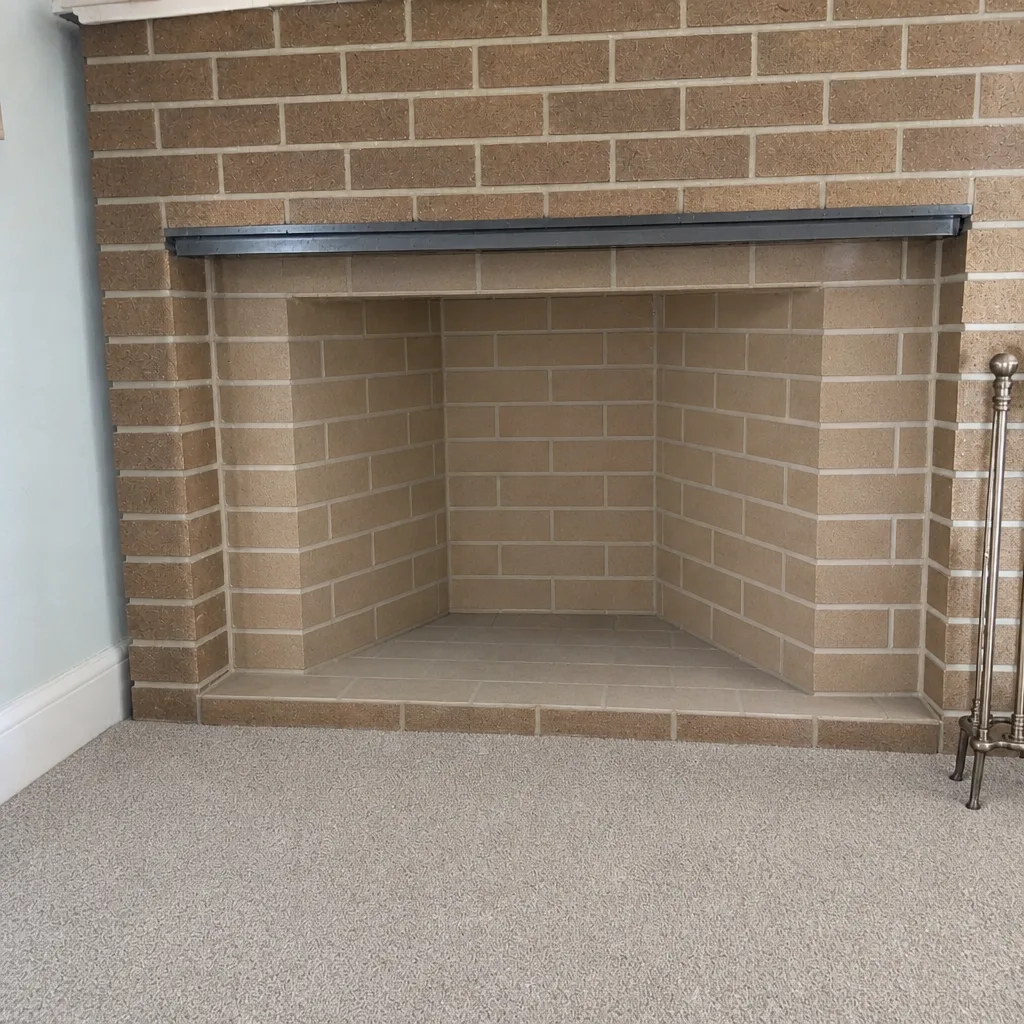
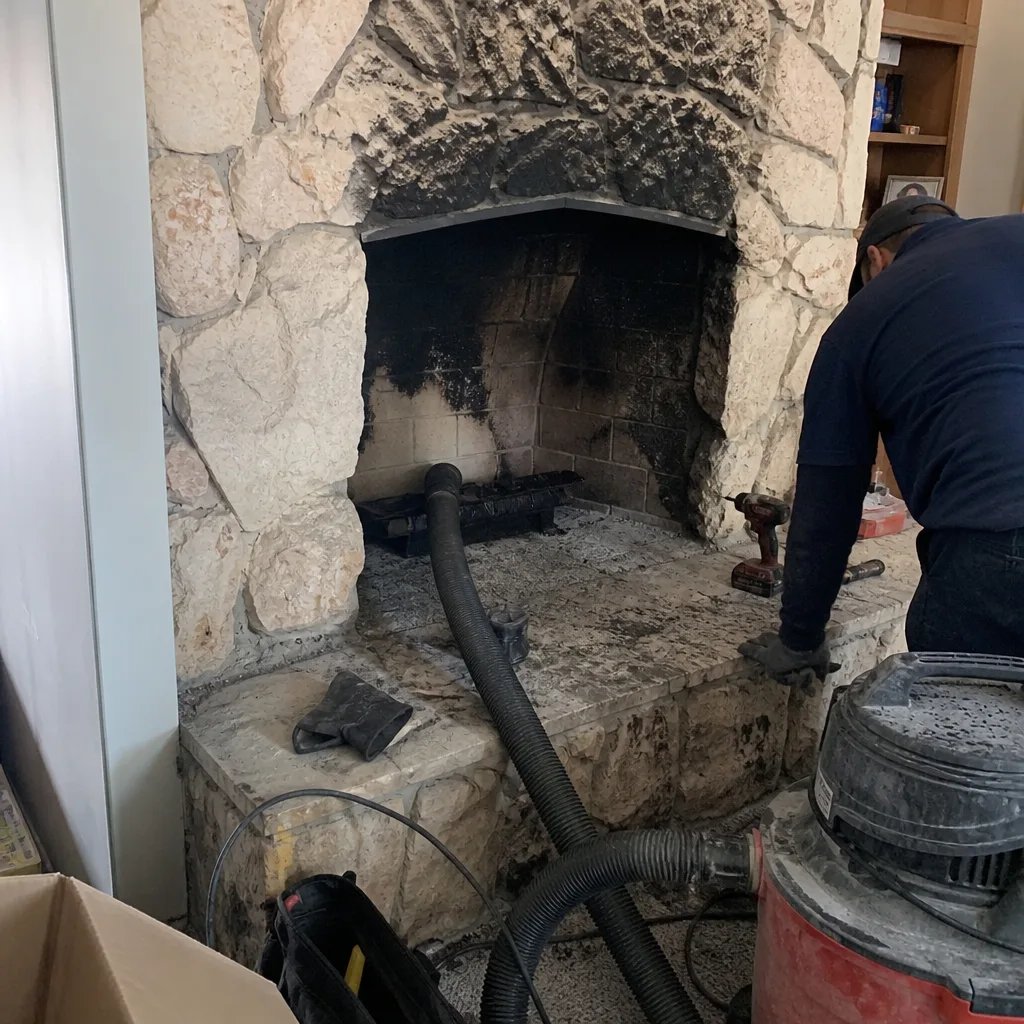
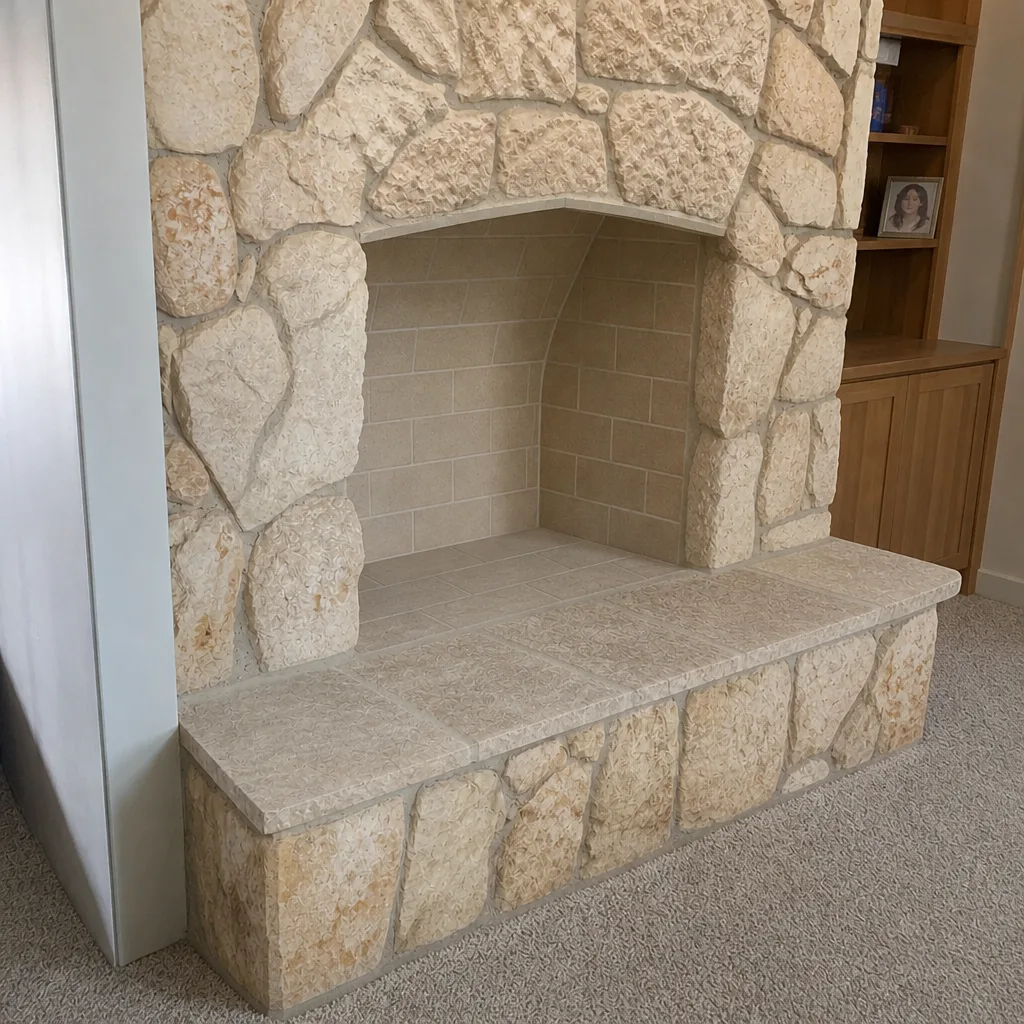
See the difference
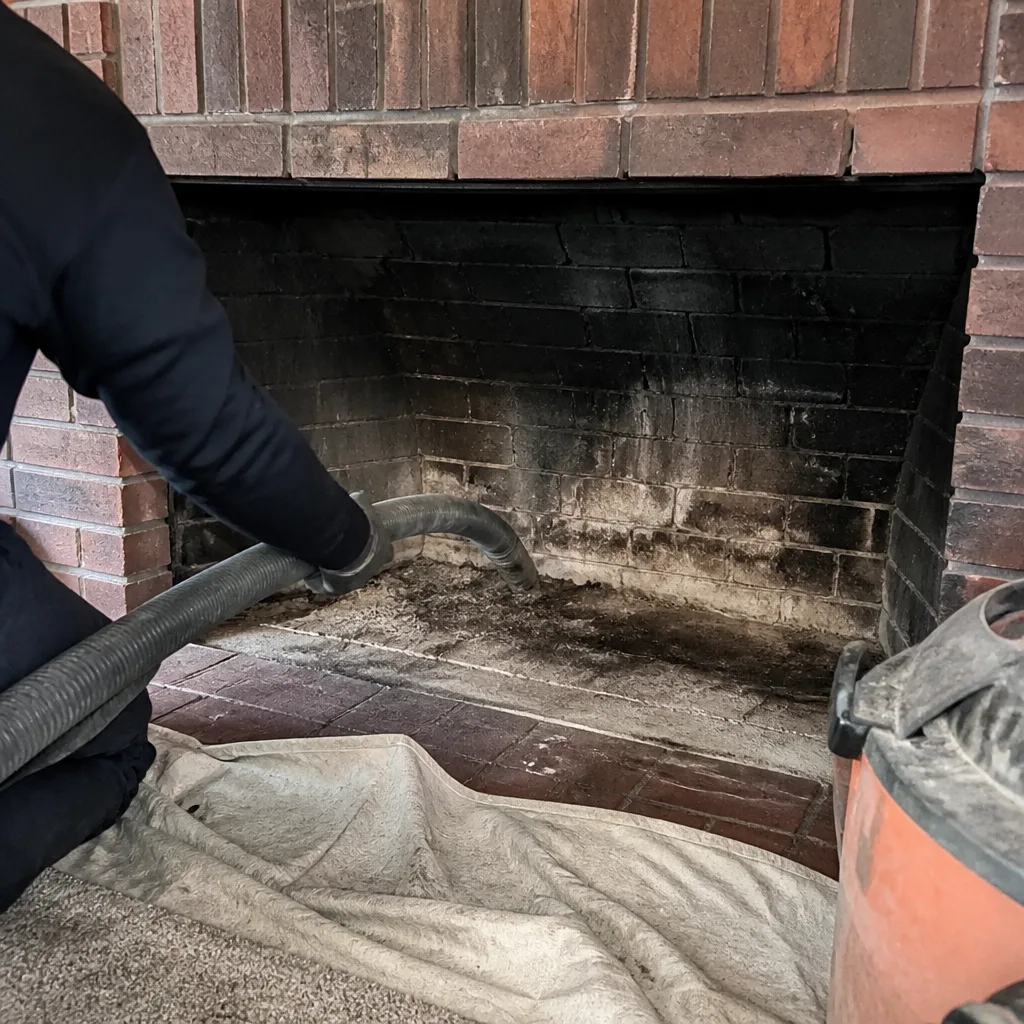 Before
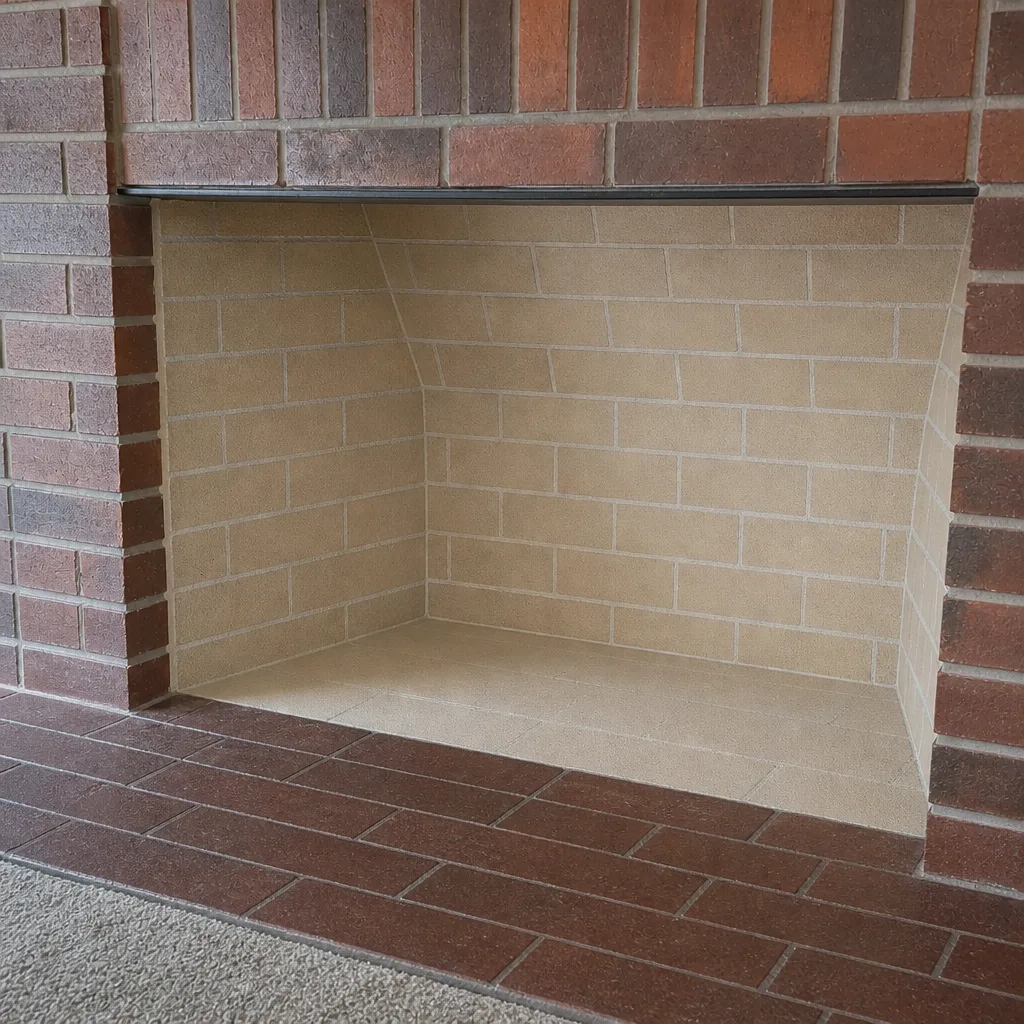 After
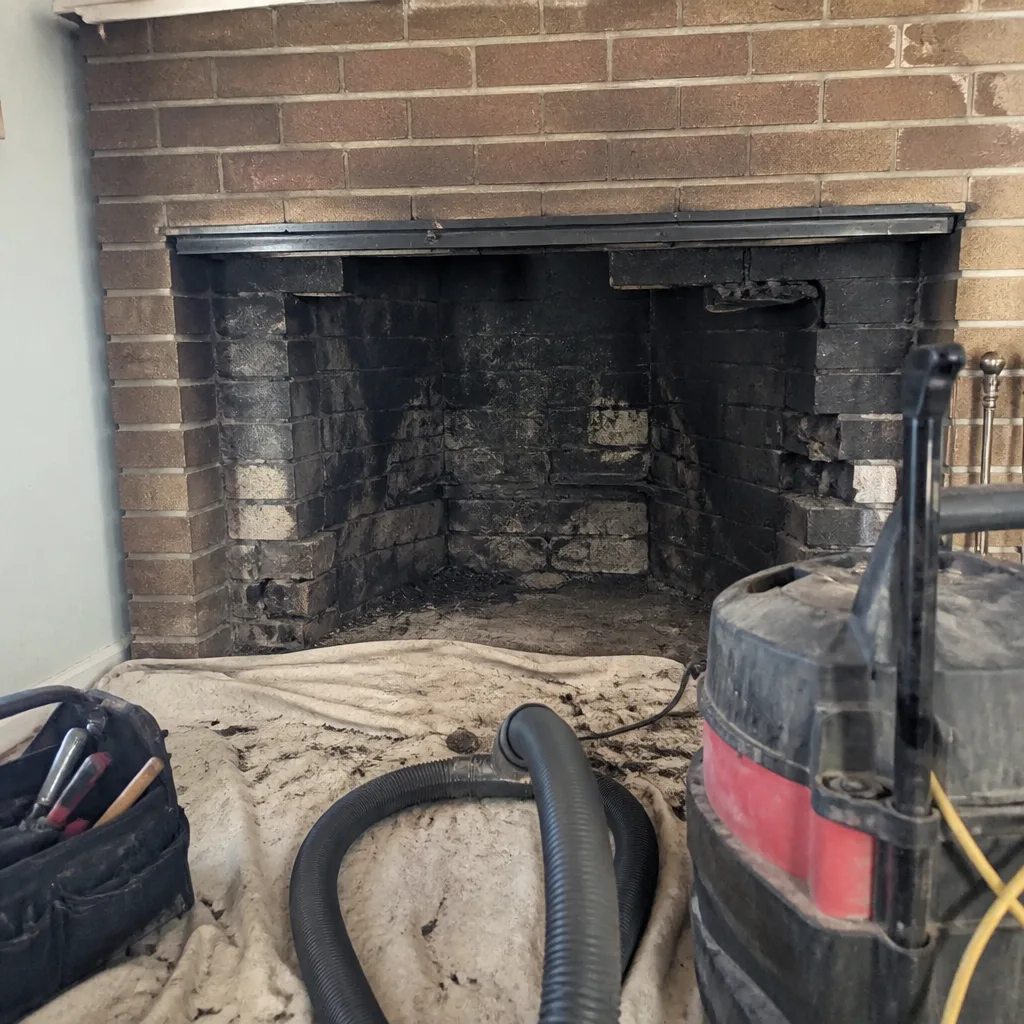 Before
 After
 Before
 After
When to Call a Professional
Call a professional if you’ve had no inspection in the past two seasons, if you see shiny or glazed creosote anywhere, if the chimney smells smoky or backdrafts, if you have an insert or a gas conversion, if there’s any suspicion of liner damage, or if roof access isn’t genuinely safe. Those are the conditions where DIY stops being a shortcut and starts being a deferred bill. Our technicians have up to 14 years of experience, and we treat the inspection as the part that tells you whether the rest of the work is even necessary. Blackwell Chimney Sweep offers free estimates in West Valley City – call (855) 629-7505. We answer 24/7. Fast dispatch from 7am to 7pm.
Frequently Asked Questions
You can clean your own chimney if the liner has already been professionally confirmed sound, the creosote is soft and light, your wood is dry, and your annual use is low. If any of those conditions are uncertain, don’t – the risk isn’t the brushing, it’s not knowing the state of the liner before you start. Call (855) 629-7505 for a sweep and inspection that produces a documented record.
Professional chimney cleaning in West Valley City typically runs $150 to $250 for a sweep, and $200 to $350 with an inspection included. The higher end applies to complex flues or heavier deposits. Glazed creosote removal, if needed, runs $300 to $600, and liner restoration is a separate range entirely. The written estimate sets the final price – call (855) 629-7505 for free estimates.
Only if the inspection shows the existing liner is cracked, deteriorated, or losing integrity. Many liners are fine and need nothing more than cleaning. In our experience, liner replacement is recommended less often than homeowners fear, and more often than they expect when it’s actually needed. Nothing is recommended without camera evidence you can see for yourself. Call (855) 629-7505 to book an inspection.
Once a year for a wood-burning fireplace or stove in regular use, and once every couple of seasons for occasional use. The annual sweep and inspect pattern is the safest default in West Valley City, where the burning season is long. If you’ve been burning a lot, don’t wait. Call (855) 629-7505 to get on the schedule.
It can, if the insurer asks for proof of professional inspection and maintenance after a fire event and you have no documentation. A professional inspection record is the simplest way to show the system was maintained to a reasonable standard. A homeowner clean doesn’t produce that record. Call (855) 629-7505 for an inspection you can put in the file.
Creosote accumulates, and glazed creosote is the phase most associated with chimney fires. Skipping cleaning doesn’t guarantee a fire – many chimneys with buildup never ignite – but it does mean the risk builds up alongside the deposits. A blocked or damaged flue can also let smoke and carbon monoxide back into the home. Neither outcome is worth testing. Call (855) 629-7505 to book a sweep before your next burn season.
The Bottom Line
DIY chimney cleaning works in one narrow, verified situation: low-use wood burning, dry wood, confirmed sound liner, soft stage-1 creosote, and safe roof access. Outside that window, the brush kit quietly leaves the actual fire risks untouched. Professional cleaning and inspection in West Valley City typically runs $150 to $350 and produces documented findings, which matters for safety and for insurance. The honest cost math isn’t DIY versus professional; it’s whether the DIY savings defer a larger bill. If you can’t show a recent professional inspection of your liner, you don’t yet know which side of the line you’re on. That’s worth finding out. Call (855) 629-7505 for a free estimate from Blackwell Chimney Sweep. We answer 24/7. Fast dispatch from 7am to 7pm.
For a full overview of what we do, see Blackwell Chimney Sweep.
Written by the team at Blackwell Chimney Sweep.