
Last updated November 16, 2026
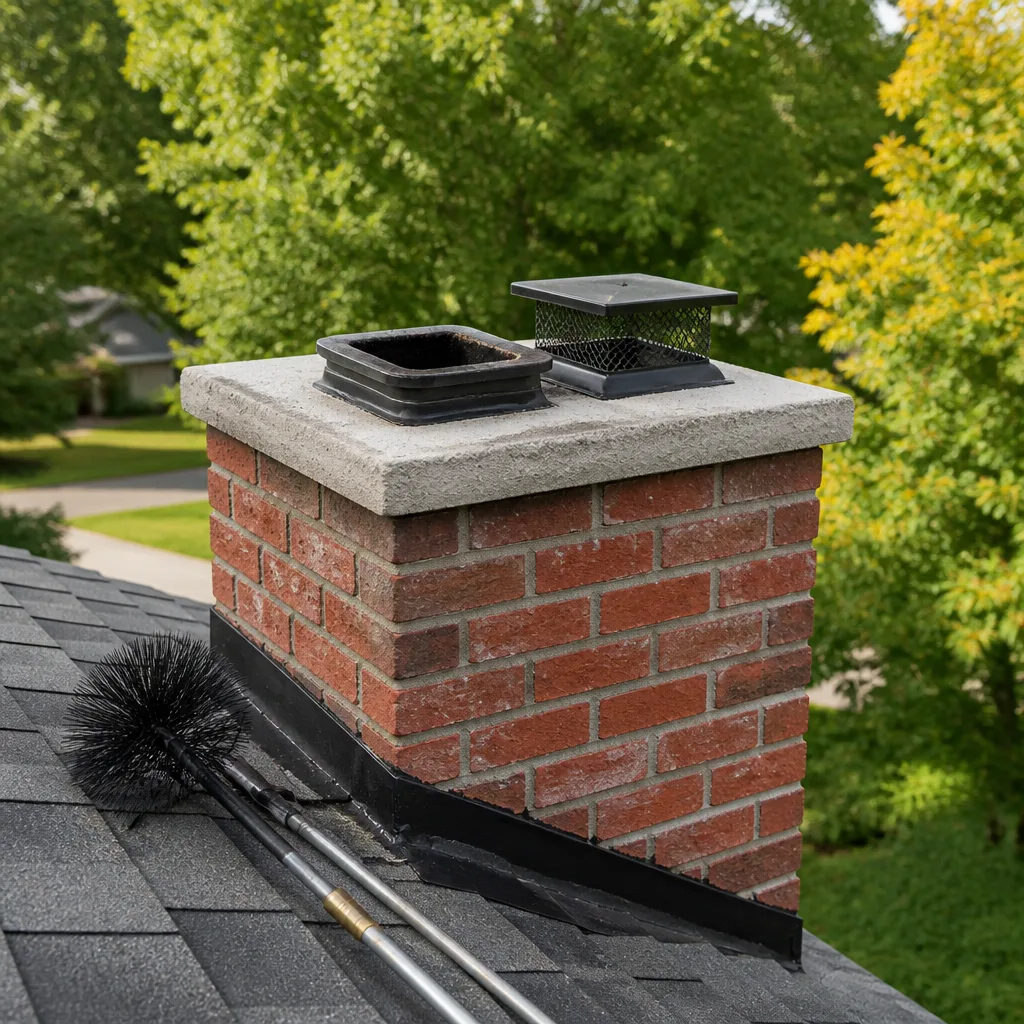 Sweep & inspection
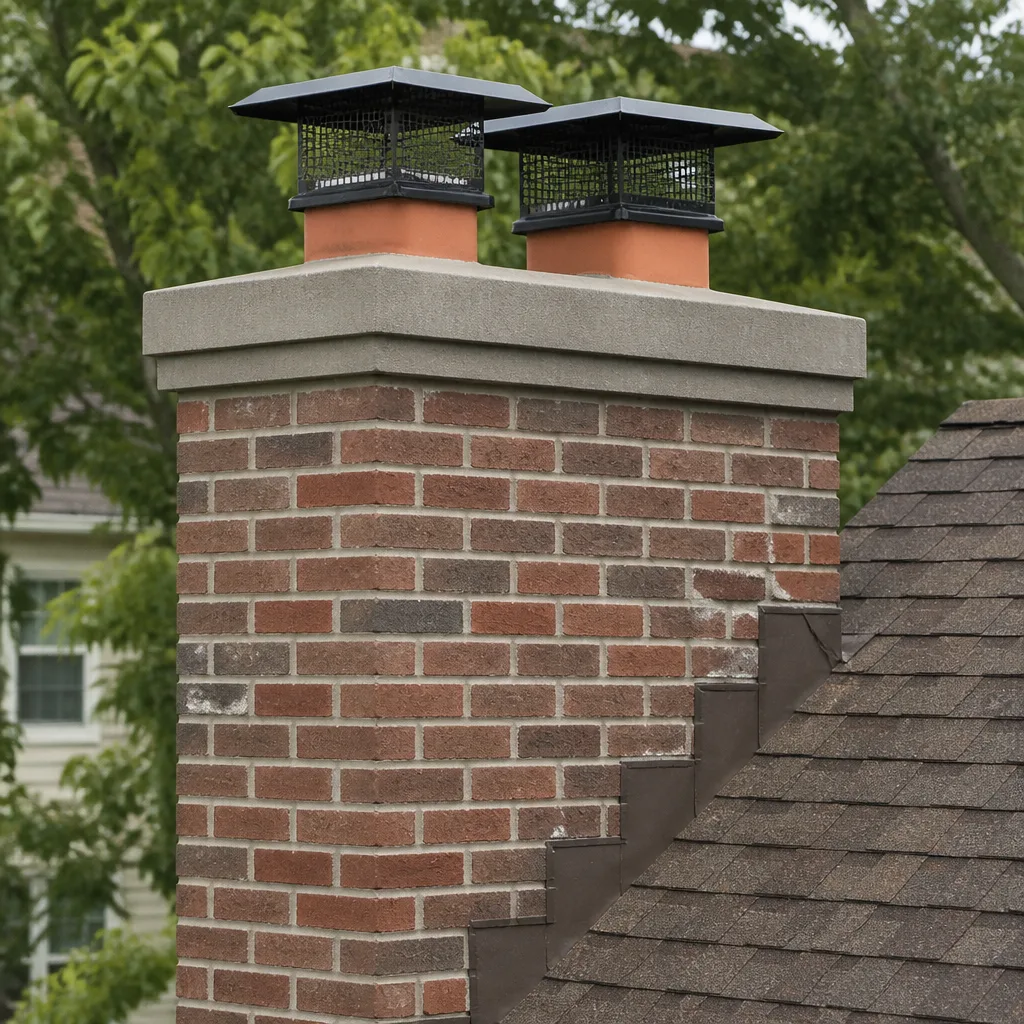 Caps & crowns
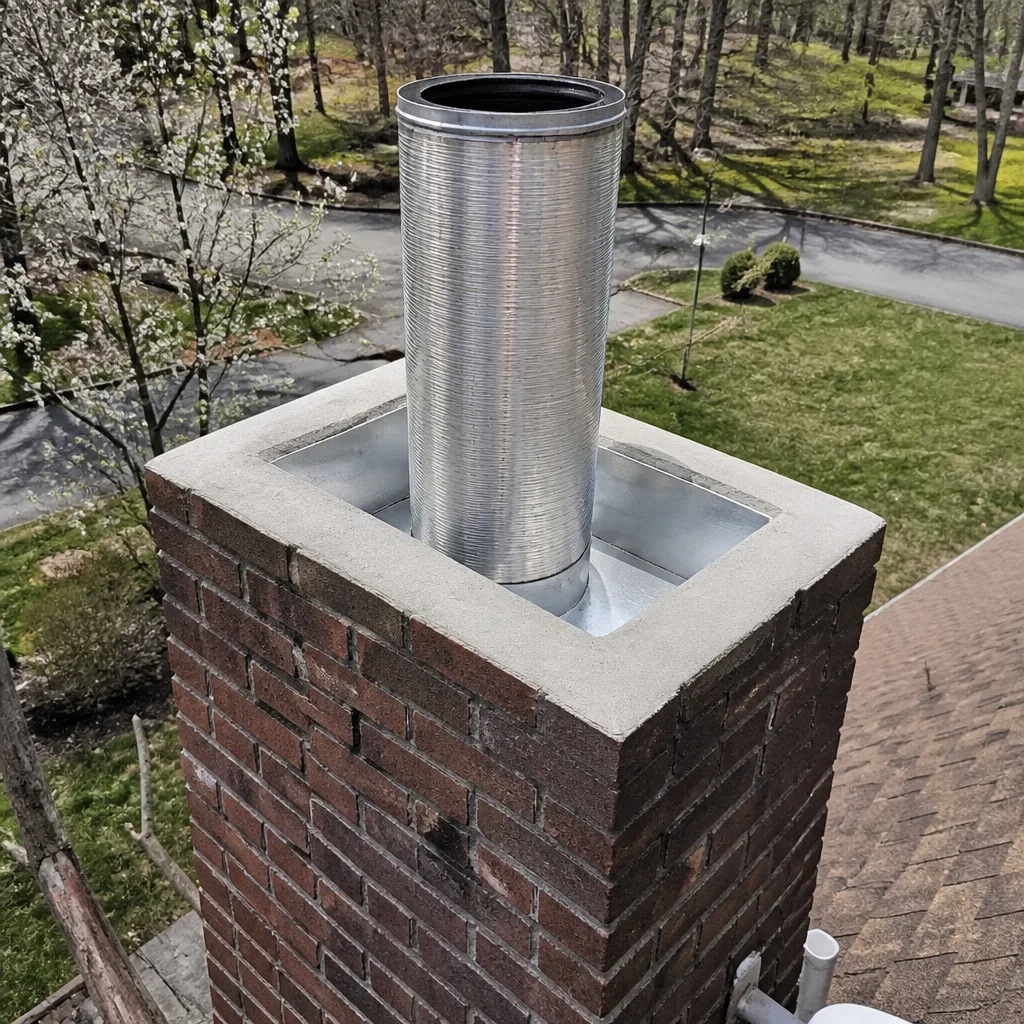 Flue relining
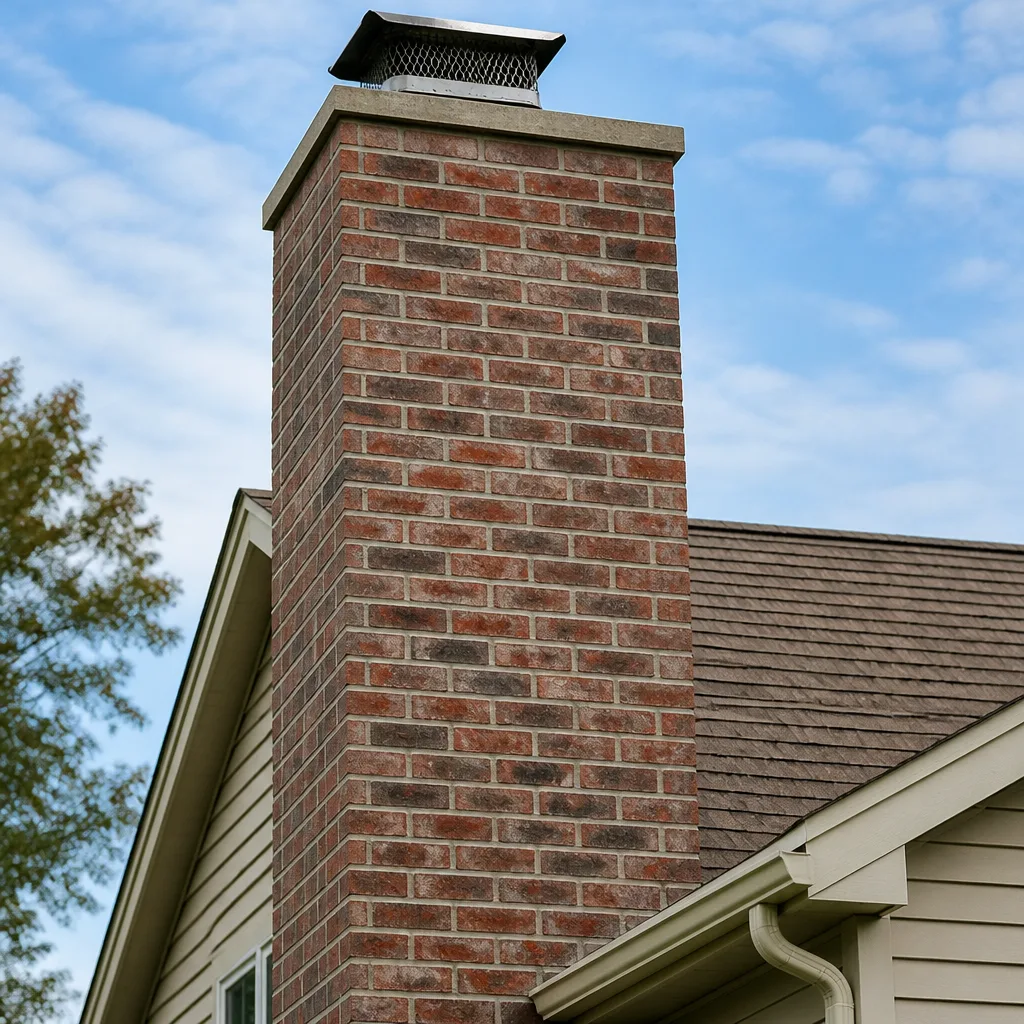 Masonry repair
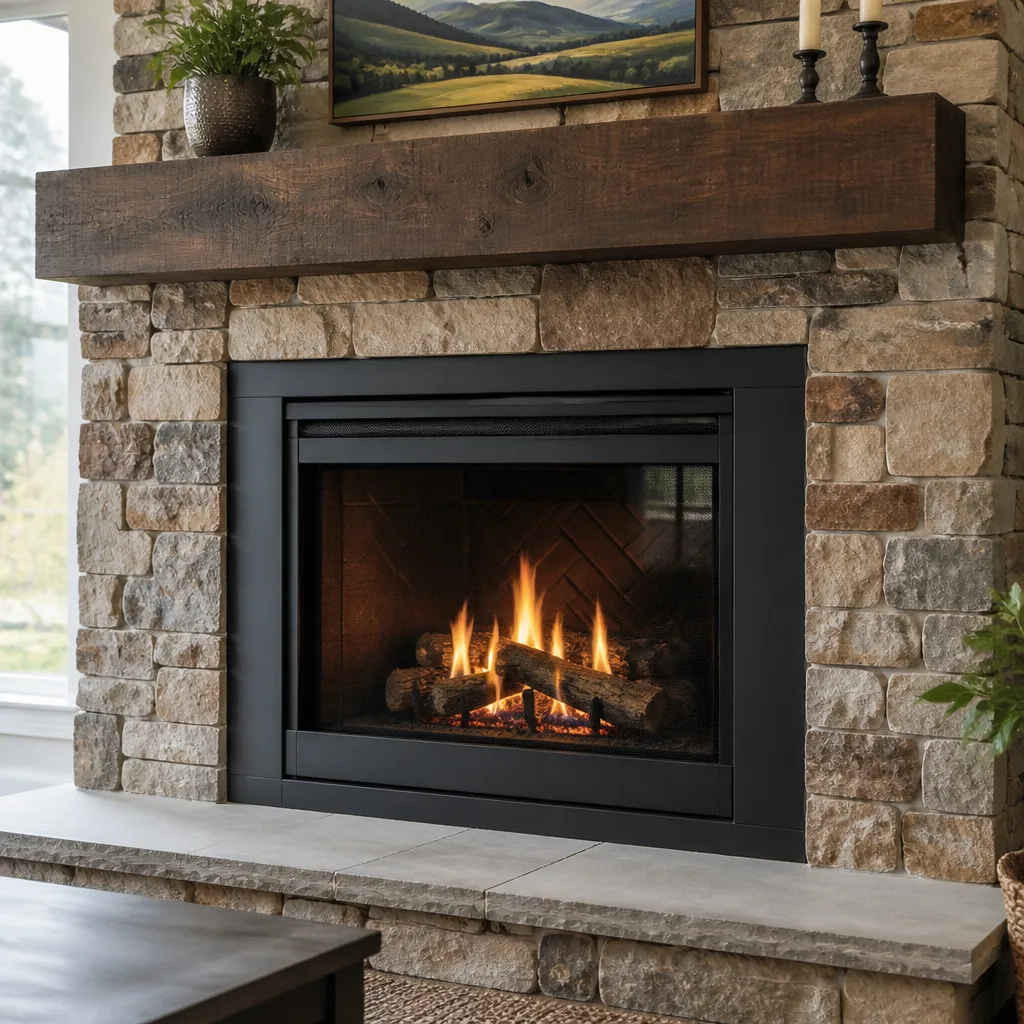 Gas fireplace service
Level 1 sweep and inspection to the NFPA 211 annual standard - flue, crown, cap, and flashing checked and photographed
Chimney sweep logs do not sweep chimneys. They loosen some creosote - which then falls where a brush and vacuum still have to collect it.
Choosing the Right Chimney Cleaning Brand: A Buyer’s Guide for West Valley City
Two invoices can both say “chimney repair.” One describes a HeatShield ceramic resurfacing job that carries a warranty and is rated for continuous high heat. The other describes a smear of generic patching compound from a home improvement aisle. The words on the paper look the same. The material behind them does not. This is the part of hiring a chimney company most homeowners in West Valley City never think to ask about, and it’s the part that decides whether a repair lasts a couple of seasons or a couple of decades. In this guide, we’ll walk through the product names worth recognizing, the questions to ask, the answers that should make you pause, and how to tell a dedicated chimney specialist from a generalist who happens to own a brush.
Quick Answer
Choosing the right chimney cleaning company in West Valley City comes down to three things: whether they handle sweep, inspection, and repair under one roof, whether they use professional-grade materials like HeatShield for lining work rather than commodity patching compound, and whether they can show you camera evidence behind every recommendation. A logo and a low quote tell you nothing about the product spec. The material spec tells you almost everything.
Styles & brands we work with
- Sweep & inspection
- Caps & crowns
- Flue relining
- Masonry repair
- Gas fireplace service
Table of Contents
- Why the “brand” question matters more than most homeowners think
- The industry-trusted product names worth recognizing
- How to ask a chimney company what materials they use
- What acceptable versus vague answers look like
- Why full-service specialists carry a different product inventory
- Warranty language: what to read and what to skip
- Specialist vs. generalist: how it affects application quality
- What West Valley City’s winters ask of a chimney
Why the “brand” question matters more than most homeowners think
When people search for the best chimney cleaning company in West Valley City, they tend to compare price and reviews. That’s understandable. But price and reviews won’t tell you what happens on the day the technician finds a hairline crack in the flue and reaches for a repair product. At that moment, the material choice is everything. A ceramic-based resurfacing system applied by a trained technician can restore a masonry flue for years. A generic patching compound smeared over the same crack might look fine for one season and then fail, often taking a chunk of the flue wall with it when it does.
We work with professional-grade products because that’s what the trade specifies for real repairs. HeatShield is the industry’s standard for chimney liner resurfacing. DuraFlex flexible liner systems require authorization to install because the spec demands technical know-how. Those names exist for a reason: they solve specific problems in specific ways that a hardware-store bucket won’t. When a company can name the products it uses and explain why, you’re hearing from someone who understands the chemistry of the work, not just the sales pitch. That distinction matters in West Valley City, where a lot of homes use their fireplaces heavily through the cold months and expect them to work for a long time.
None of this means you need to become a chimney contractor before you hire one. It does mean you’ll get a better outcome if you know which questions to ask and how to read the answers.
The industry-trusted product names worth recognizing
A handful of product families come up again and again in professional chimney work. You don’t need to memorize every spec sheet, but knowing which names carry weight will help you tell a specialist from a jack-of-all-trades. Here’s a short orientation.
- HeatShield is a ceramic-based chimney lining resurfacing system. It’s used to repair cracked and deteriorated flue tiles without tearing out the masonry. It’s the standard that trade professionals reach for on this kind of repair, and it’s a specialist-tier solution that general sweep companies often don’t offer at all.
- Thermocrete is another professional-grade lining material, typically used in a different application than HeatShield. The point isn’t that you need to choose between them; it’s that a company that can name two or three professional liners and explain when each is appropriate is showing genuine product knowledge.
- DuraFlex makes flexible stainless liner systems. Installing one properly requires the company to be authorized by the manufacturer, because the installation is a precision job. If a company tells you they install DuraFlex, you can reasonably take that as a signal of technical capability.
On the hardware side, caps and ventilation components from Gelco and Famco come up regularly in our work. These are durable, professional-grade parts, and they’re what a chimney specialist orders when a repair calls for a new cap or a component rebuild. The difference between a Gelco or Famco cap and the cheapest substitute on the shelf usually shows up years later, when the cheap one has rusted through and the right one hasn’t.
What ties these names together is that they’re specified by the trade, not by a marketing department. When we name them, it’s because we can explain what each one does and why we’d reach for it. That’s the level of specificity worth asking for from any chimney company in West Valley City.
How to ask a chimney company what materials they use
You don’t need to sound like an expert to get a useful answer. You just need to ask the question in a way that invites a specific reply instead of a vague one. Here’s a short script you can adapt when you talk to any chimney company, whether that’s Blackwell Chimney Sweep or someone else.
- “What do you use for flue tile cracks?” A specialist will name a product like HeatShield and explain why. A generalist will say something like “we patch it” or “we use a sealant.”
- “Do you install flexible liners, and are you authorized for the brand you use?” DuraFlex is a good example. If the company can name the manufacturer and confirm authorization, that’s a real signal.
- “What kind of chimney caps do you carry?” Gelco and Famco are the professional-grade names. A company that says “whatever the supplier has” is telling you something.
- “Can you show me photos of what you find?” Camera inspection with photos is a normal part of professional work. If it isn’t offered, ask why.
- “What’s covered by your workmanship warranty?” The answer to this one tells you whether the company stands behind the install, the material, or both.
- “Will I get a written estimate before any work starts?” A written estimate sets the final price. An oral “somewhere around” is not the same thing.
Ask these questions one at a time, and pay attention to whether the answers come easily or whether the person seems to be improvising. A technician with up to 14 years of experience will answer without hesitation because the products are part of the daily work.
What acceptable versus vague answers look like
Here’s where the guide gets practical. You’ll hear a lot of chimney companies talk about “quality workmanship” and “professional products.” Those phrases mean nothing on their own. What you want are specific product names tied to specific repair types. Below is a rough comparison to help you sort one kind of answer from another.
- Acceptable: “For cracked flue tiles we use HeatShield. It’s a ceramic resurfacing system that rebuilds the liner surface without demolition.” Vague: “We use a refractory cement.” (Refractory cement is a real material, but it’s not a liner resurfacing system and won’t solve a cracked flue tile the same way.)
- Acceptable: “We’re authorized to install DuraFlex flexible liners.” Vague: “We install liners.” (Any installer can say this. The authorization is the proof.)
- Acceptable: “We carry Gelco and Famco caps and ventilation components.” Vague: “We’ll put a cap on it.” (Some caps are built to last decades; some aren’t. The brand is the tell.)
- Acceptable: “Here’s the camera footage of what we found, and here’s what it means for your chimney.” Vague: “You’ve got some issues in there. We can fix them.” (An inspection without evidence is a sales call.)
The pattern is the same in every case: specific answers name products and outcomes, while vague answers describe feelings and generalities. In our experience working on chimneys in West Valley City, the homeowner who asks these questions ends up with a safer chimney and a repair that holds.
The right materials for the repair matter more than what’s on the truck. A company that pulls a professional-grade product out of inventory is telling you it planned ahead for the work, not that it made a last-minute trip to a home improvement store.
Why full-service specialists carry a different product inventory
A company that only cleans chimneys doesn’t need much inventory. Brushes, a vacuum, a flashlight, maybe a camera. A company that also inspects and repairs needs a lot more, and the way it sources those materials tells you how seriously it takes the repair side of the work. Full-service chimney companies source through established trade channels like Olympia Chimney and Copperfield, which supply professional-grade components rather than commodity substitutes.
Here’s what’s different when a company handles all three pillars – sweep, inspection, and repair – under one roof:
- Consistent findings. The technician who sweeps your chimney is the same one who inspects it, so there’s no gap between what one crew sees and what another is told.
- Products on hand for what actually turns up. A specialist who expects to find cracked flue tiles carries HeatShield. A cleaning-only company doesn’t, because it doesn’t do that work.
- No handoff. When the inspection finds something, the repair happens without a second contractor, a second scheduling call, or a second opinion gap.
- Coherent recommendations. Because the company knows the material cost and application, it can tell you honestly when a repair can safely wait versus when it can’t.
The single-trade focus matters too. Chimney work is all we do. We’re not a general handyman service that adds chimneys to the menu. That intentionality shows up in what we source and how we apply it, and it’s part of why a chimney sweep from a dedicated specialist tends to be more thorough than one from a multi-trade outfit.
When you hire a full-service chimney company, you’re not just buying a sweep. You’re buying access to the product inventory and know-how that turns a sweep into a complete service. If anything turns up during inspection, the fix is available without a delay.
Warranty language: what to read and what to skip
A warranty is only as good as the words in it. Most chimney warranties fall into one of three categories, and the difference between them matters a great deal when you’re comparing companies.
- Material warranty. The manufacturer warrants the product itself (HeatShield, a DuraFlex liner, a Gelco cap). Terms vary by product, and the material warranty usually runs longer than the labor warranty. Ask which manufacturer’s warranty applies to the specific product being installed.
- Workmanship warranty. The company warrants the installation. This is the one to read most carefully, because it defines what the company will and won’t come back to fix. Look for exclusions around pre-existing damage, unrelated systems, and normal wear.
- “Satisfaction guarantee.” Vague phrase, often undefined. Skip it unless the company can explain exactly what it commits to.
When you read a workmanship warranty, look for these specifics: how long the coverage lasts, whether it’s transferable if you sell the home, what maintenance is required to keep it valid, and what explicitly voids it. Any of those four points missing is a reason to ask a follow-up question. The written estimate should set the final price, and the warranty should spell out the terms in writing before work starts. If a company can’t produce either in writing, that’s the answer to your question.
One thing to be wary of: warranties that exclude the exact repair you’re having done. A company that offers a “lifetime warranty” but voids it if the flue was previously patched is telling you something about how confident it is in the base surface. A specialist who’s inspected the flue with a camera and chosen HeatShield for the specific condition should be able to commit to a clear warranty without a lot of carve-outs.
Specialist vs. generalist: how it affects application quality
The generalist handyman and the chimney specialist can both climb onto a roof. That’s where the similarity ends. Chimney work is a narrow trade with its own codes, its own product families, and its own failure modes. A generalist working outside their depth often applies the right-looking product the wrong way, and the failure shows up a season or two later, usually after the invoice is paid and the warranty has quietly expired.
Here’s what specialization buys you in practice:
- Product fluency. A specialist knows which liner material suits which flue condition, which cap design handles which wind exposure, and when a resurfacing job is appropriate versus when a full liner replacement is the honest answer.
- Application standards. Products like HeatShield have specific application methods. A technician who’s applied them dozens of times knows what the surface should look like when it’s done. A generalist with one tube of compound and a trowel doesn’t.
- Honest scoping. A dedicated chimney specialist will tell you when the repair can wait, because the recommendation isn’t about making the job bigger than it is. A generalist who rarely does this work may under- or over-scope simply from unfamiliarity.
- Evidence-first recommendations. The camera inspection, the photo report, and the walk-through of what was found are all part of the professional standard. Specialists do this as a matter of course.
If you want the full picture on what a proper inspection involves, the chimney repair side of the work is worth understanding in detail, because it’s usually where the material question comes into sharpest focus. Sweeping keeps the flue clear, but repair is where product choice and application skill decide how the chimney performs over the long run.
West Valley City homeowners we talk to often say the same thing: they’d rather pay a specialist to do it right the first time than pay a generalist twice. That instinct is correct. The repair that lasts decades is almost always the one done with the right material, by someone who applies it for a living.
What West Valley City’s winters ask of a chimney
Chimneys in West Valley City see a long active heating season. Homes here run wood-burning fireplaces and stoves hard through the cold months, then leave them idle through the warm ones. That pattern creates a specific set of stresses on the flue: expansion and contraction through the heating cycle, moisture exposure during the shoulder seasons, and the buildup of creosote during heavy burning. A chimney that holds up well in a mild climate can struggle in this one without the right products and the right inspection schedule.
What this means for your buying decision is that material quality matters more here than in places where the fireplace is mostly decorative. A liner rated for sustained high heat handles the burn cycle. A cap from a professional-grade line handles the snow, ice, and wind. A ceramic resurfacing job on a cracked flue tile handles the seasonal expansion without spalling. Those aren’t marketing points; they’re what lets a chimney last through a West Valley City winter without a mid-season call-back.
It also means that skipping a sweep before the burning season is a bigger deal here than in a milder climate. Creosote buildup comes from heavy use, and heavy use is the norm in West Valley City. A camera inspection and sweep before the season starts is the kind of preventative step that pays for itself in avoided repair work down the road. If you’re not sure when your last sweep was, that’s a reason to book one, not a reason to wait.
Common Mistakes to Avoid
- Comparing quotes on price alone. A low quote often reflects commodity materials or a shorter scope. The line item for the repair product is the one that matters, because that’s what determines how long the fix lasts.
- Hiring a generalist for chimney repair. Handymen can sweep a chimney. They usually can’t install a DuraFlex liner to spec or apply HeatShield properly, and the failure often shows up after the warranty period.
- Accepting an inspection without photos. Camera inspection with a photo report is standard. If a company can’t show you what they found, you can’t evaluate the recommendation.
- Skipping the sweep before burning season. Creosote buildup from heavy winter use is a real fire risk in West Valley City’s climate. A pre-season sweep is a small cost compared with what follows a chimney fire.
- Not asking about warranties in writing. A verbal “we stand behind our work” is not a warranty. Ask for the terms on paper, including exclusions.
- Assuming a “brand name” on the invoice means a premium product. Some invoices use the same word for very different materials. Ask specifically which product and which manufacturer.
- Letting a small crack become a big one. Cracked flue tiles and deteriorated mortar don’t fix themselves. A repair done with the right material at the right time is almost always cheaper than a liner replacement later.
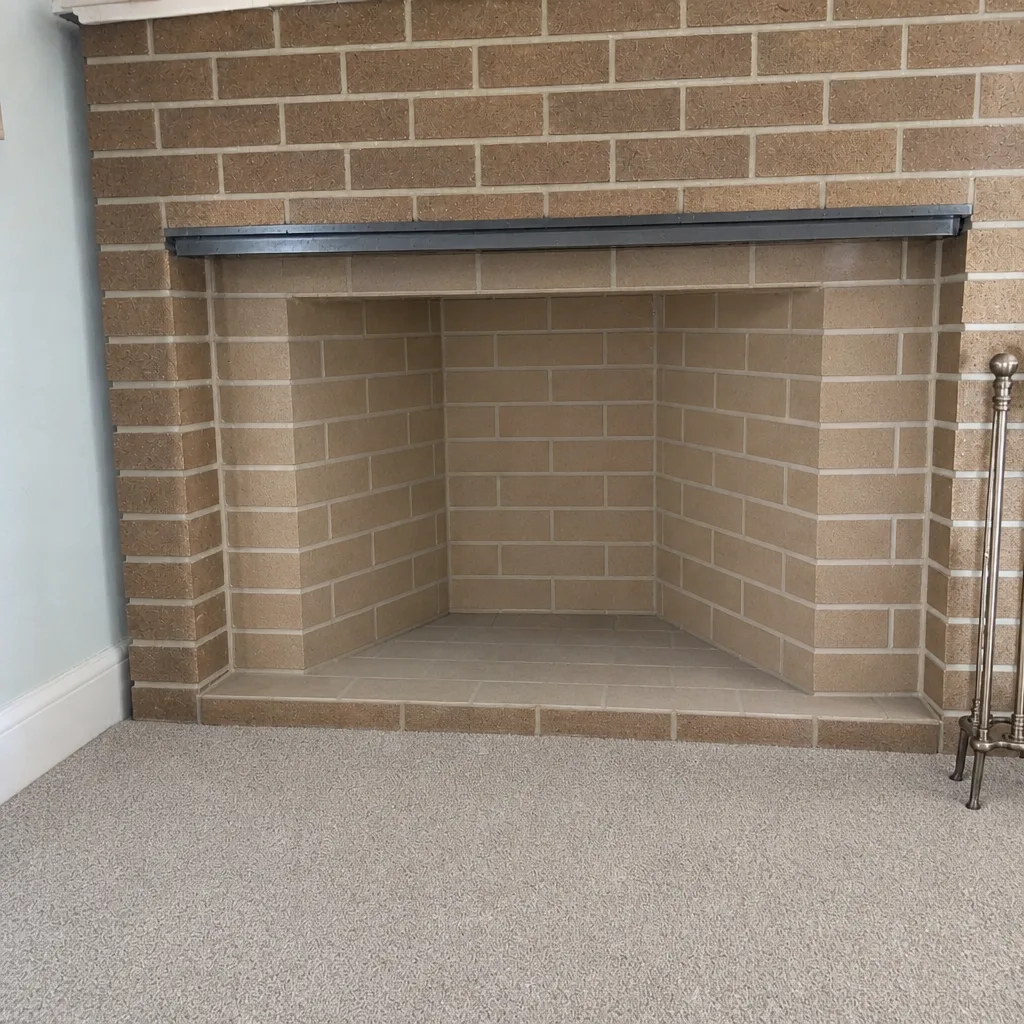
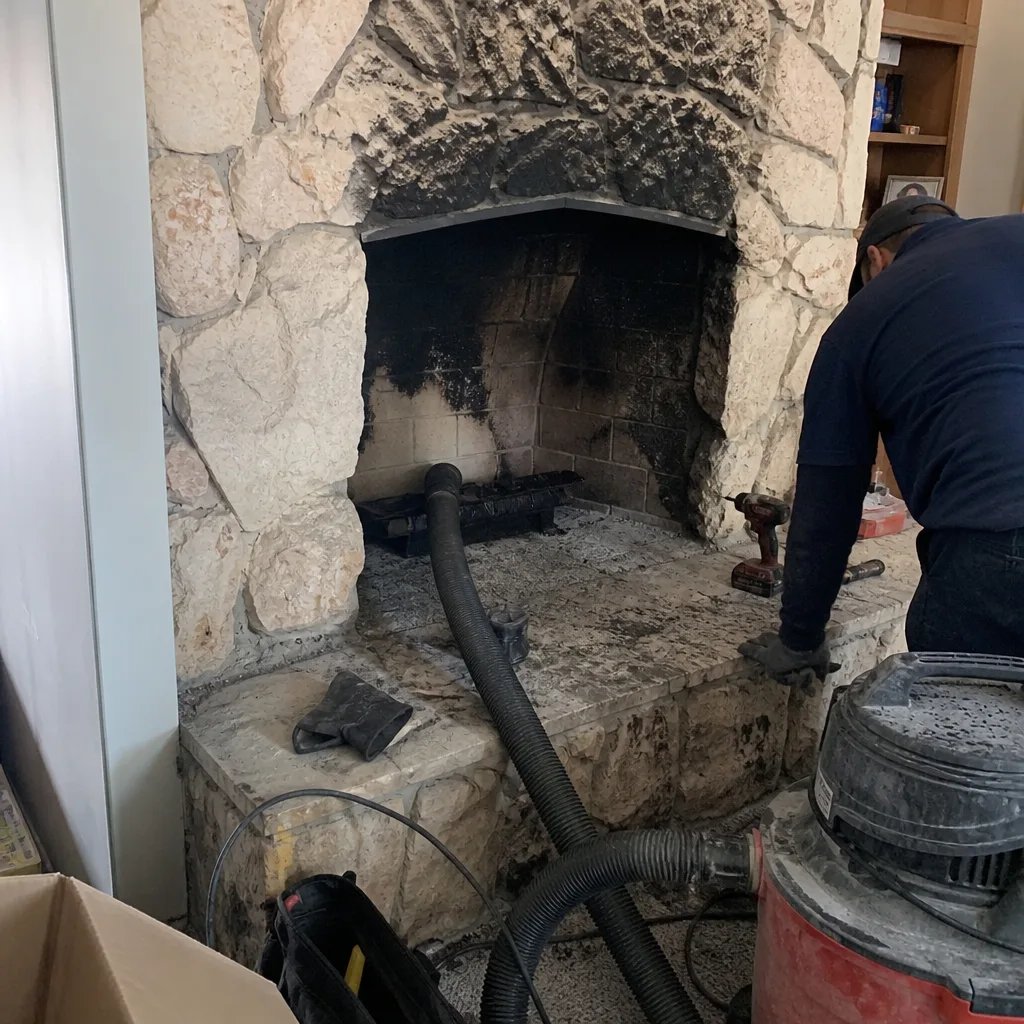
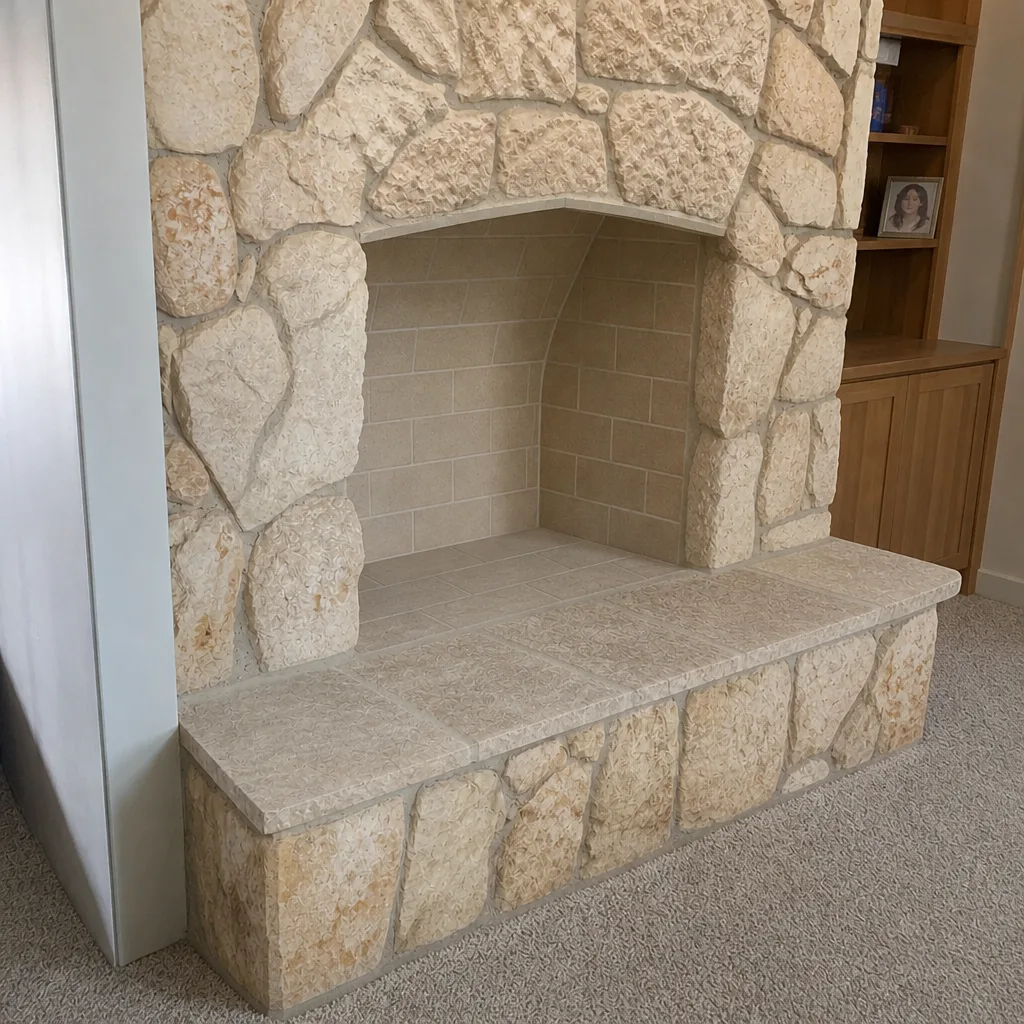
See the difference
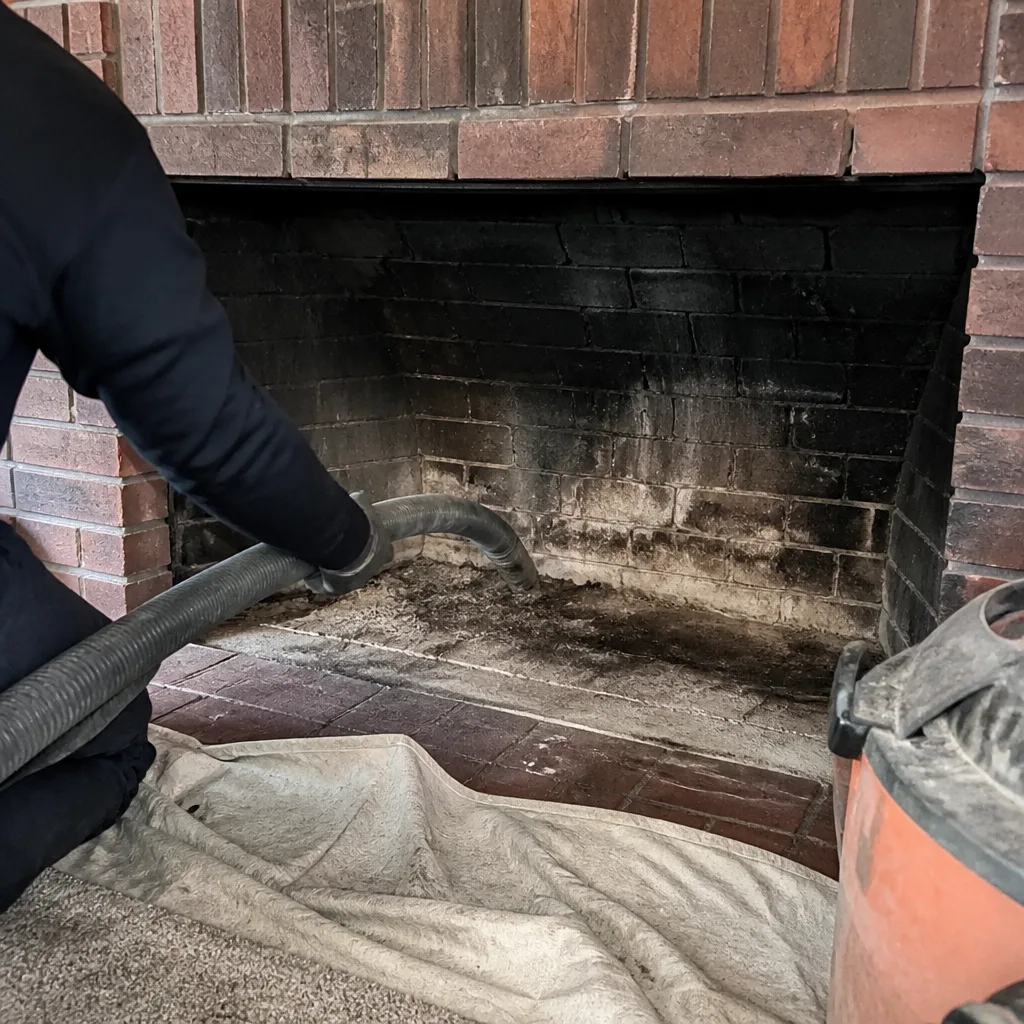 Before
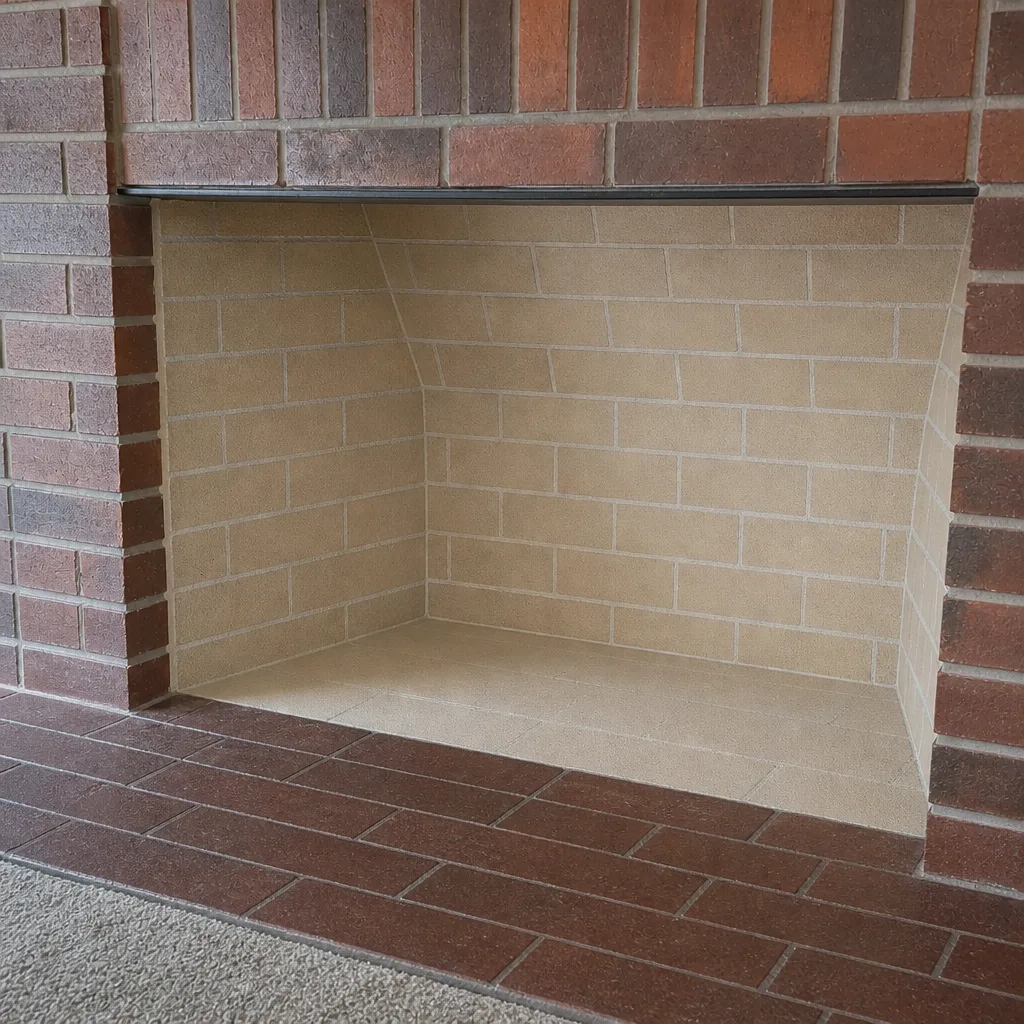 After
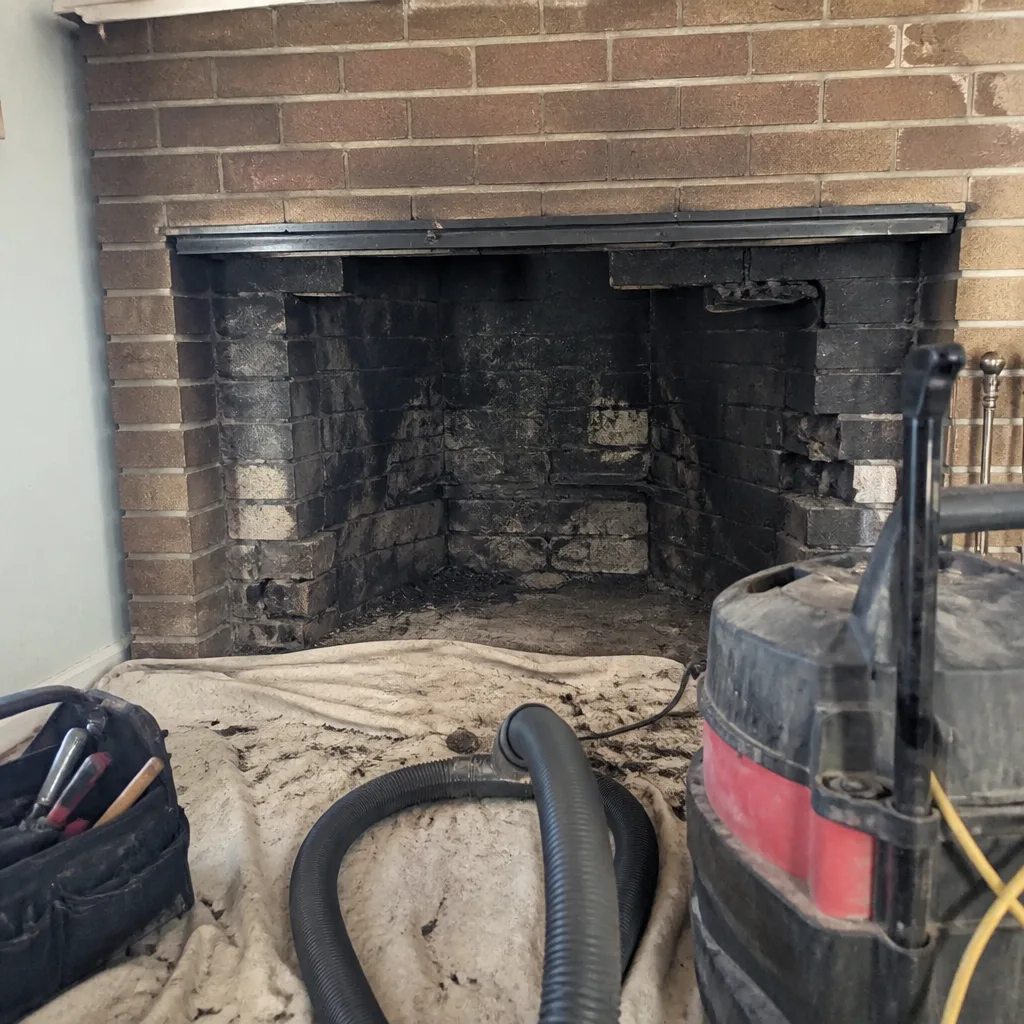 Before
 After
 Before
 After
When to Call a Professional
Some chimney issues are obvious – smoke backing into the room, a strong creosote smell, visible damage to the chimney crown. Others are silent, which is why an inspection matters even when everything seems fine. Call a professional if you’ve burned more than a cord of wood since your last sweep, if it’s been more than a year, if you’ve noticed soot or debris falling into the firebox, or if you’ve just moved into a West Valley City home and don’t know the chimney’s history. Safety is the reason to act: creosote is highly flammable, and a blocked or cracked flue can allow carbon monoxide into the living space. Neither is something to defer. If you’re worried about the cost of a repair you didn’t expect, ask for the camera evidence, and ask plainly whether the work can safely wait. A specialist will tell you honestly. Estimates are free, and there’s no pressure to decide on the spot.
Blackwell Chimney Sweep offers free estimates in West Valley City. Call (855) 629-7505 to book a sweep and inspection. We answer 24/7. Fast dispatch from 7am to 7pm, Sunday through Friday.
Frequently Asked Questions
Pricing is set per job by a written estimate, because the cost depends on the flue configuration, the level of buildup, and whether any repair is needed. We don’t publish a flat rate, because a one-size quote is usually either padded or narrow. The written estimate sets the final price, and there’s no charge to get one.
Call (855) 629-7505 for an exact quote – estimates are free.
Not always. A liner replacement is the right answer when the existing flue is compromised beyond resurfacing, but many cracked flues can be restored with HeatShield ceramic resurfacing instead. The camera inspection is what decides which path is appropriate. If a company recommends a full replacement without showing you camera footage of the damage, ask to see it.
Call (855) 629-7505 to book an inspection with photo evidence – estimates are free.
Once a year for most homes, and more often if you burn heavily through the winter. In West Valley City, where a lot of homes run their fireplaces and stoves hard through the cold months, an annual sweep before the burning season is the baseline. If you’ve moved into a home and don’t know the last sweep date, treat it as overdue.
Call (855) 629-7505 to schedule a sweep before the season starts – estimates are free.
Creosote builds up in the flue and becomes increasingly flammable, and a blocked or damaged flue can allow smoke and carbon monoxide back into the living space. Neither outcome is rare; both are preventable with a sweep and inspection. Skipping a year isn’t catastrophic, but skipping several in a row is how small problems become expensive ones.
Call (855) 629-7505 to book a sweep and inspection – estimates are free.
Ask specifically about HeatShield for liner resurfacing, DuraFlex for flexible liner systems, and Gelco or Famco for caps and ventilation components. Those names signal professional-grade sourcing. If the company can’t name specific products for specific repair types, that’s a signal too, and it isn’t a good one.
Call (855) 629-7505 to ask what we’d use on your chimney – estimates are free.
Often, yes. A full-service chimney company carries the products for common repairs, so a cracked cap or a minor flue issue can be handled during the same visit as the sweep. Larger jobs, like a full liner replacement, need a scheduled return. The written estimate will lay out what’s included and what comes next.
Call (855) 629-7505 to book a sweep and inspection – estimates are free.
The Bottom Line
Choosing a chimney company in West Valley City comes down to product specificity, not brand marketing. A company that names HeatShield, DuraFlex, Gelco, and Famco and can explain what each one does is a company that knows the trade. A company that talks about “quality workmanship” without naming a single product is telling you something too. Look for full-service scope, camera evidence with photos, a written estimate that sets the final price, and a workmanship warranty with clear terms. Those four things together tell you more than any logo or low quote ever will. Our technicians have up to 14 years of experience, and we’re happy to walk you through exactly what we’d use on your chimney before any work begins.
Call (855) 629-7505 for a free estimate. We answer 24/7. Fast dispatch from 7am to 7pm, Sunday through Friday. Blackwell Chimney Sweep – sweep, inspect, and repair, handled by the same team.
Written by the team at Blackwell Chimney Sweep.