
Last updated November 16, 2026
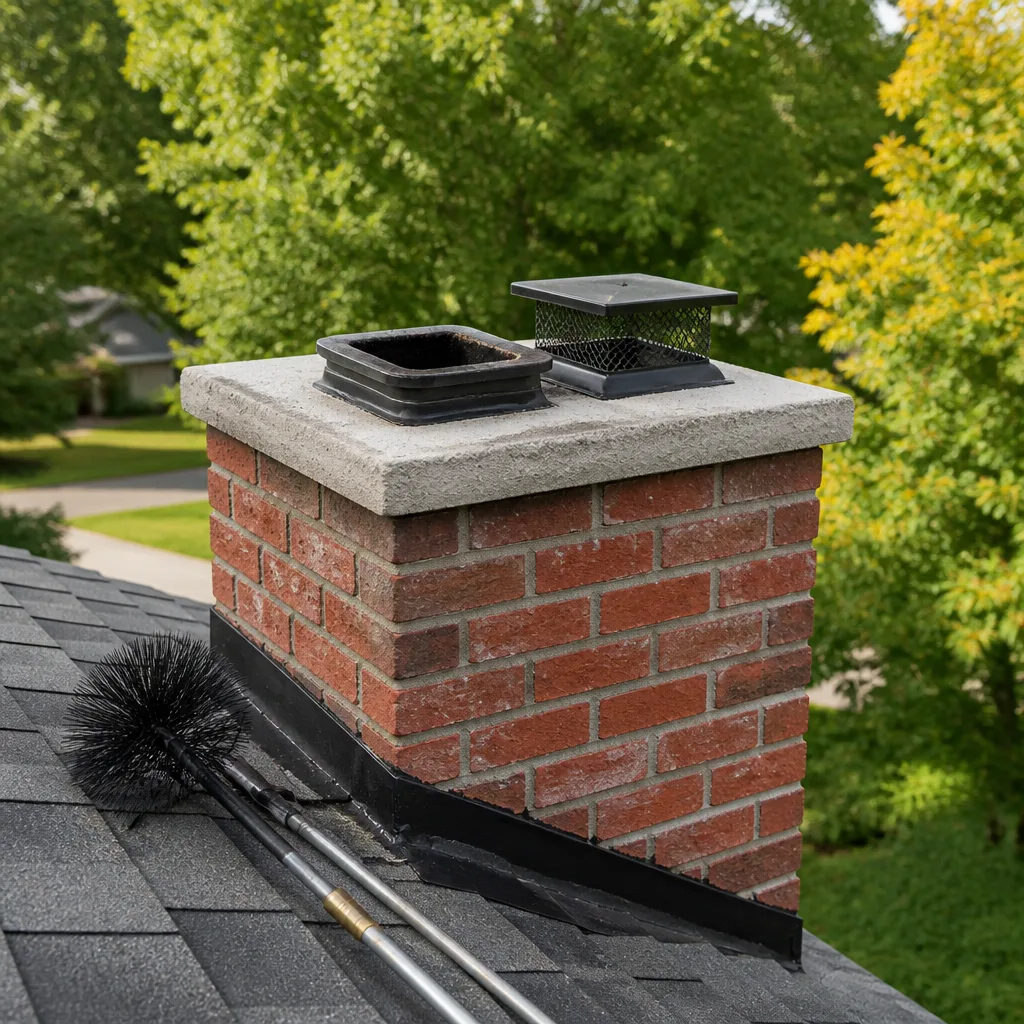 Sweep & inspection
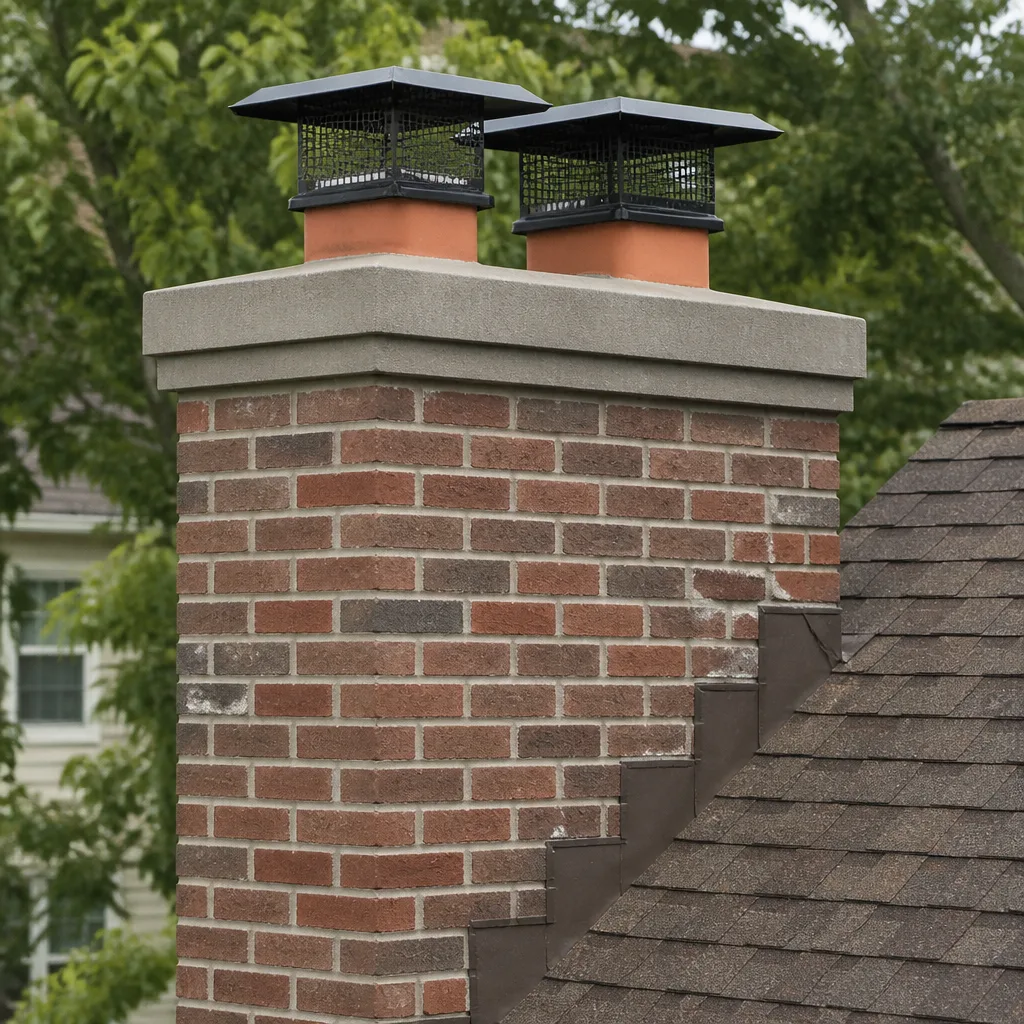 Caps & crowns
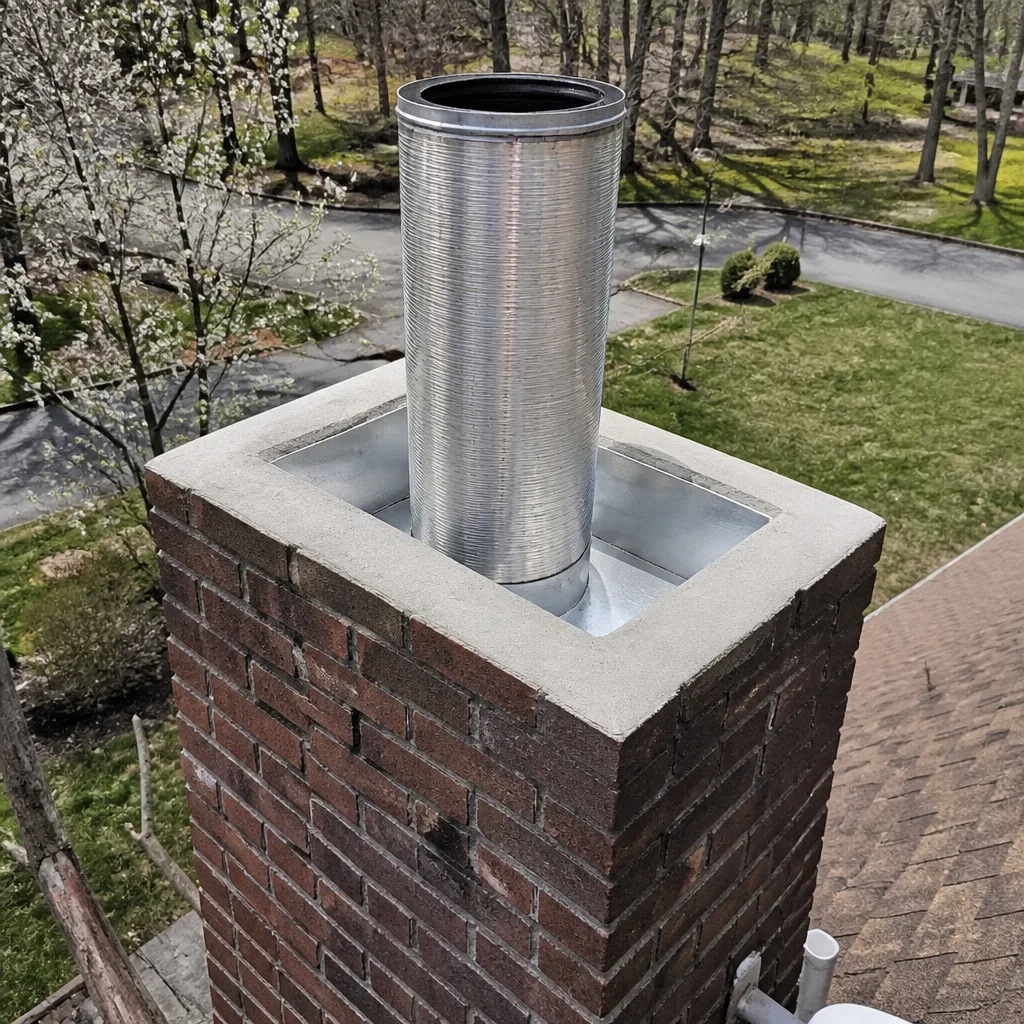 Flue relining
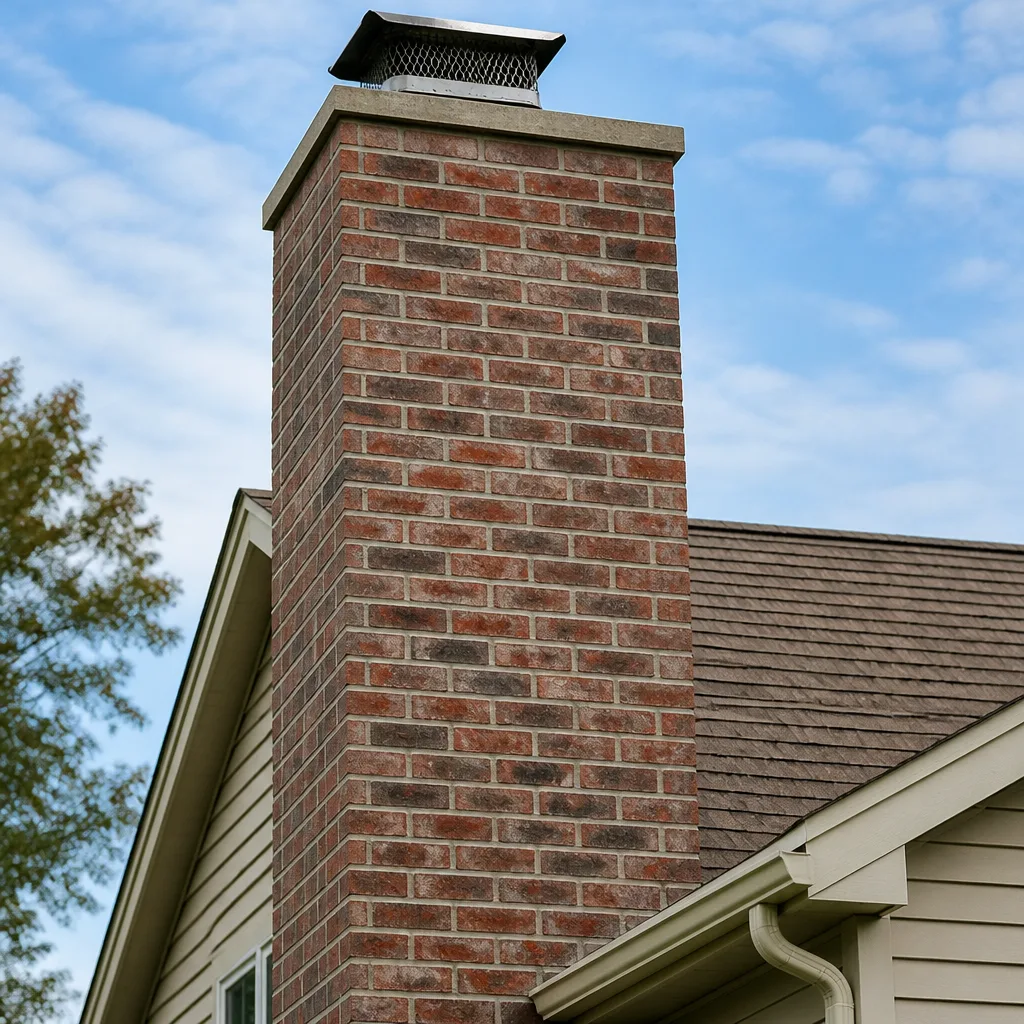 Masonry repair
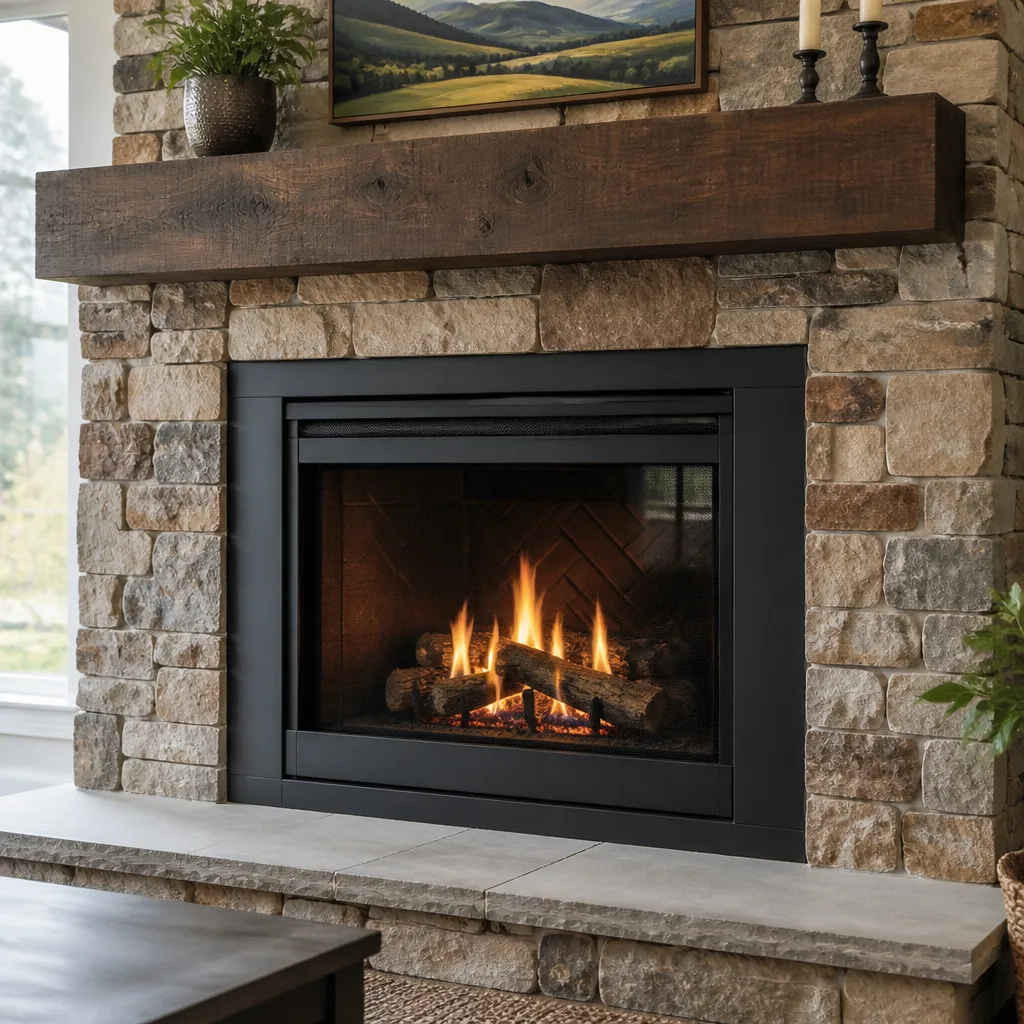 Gas fireplace service
Level 1 sweep and inspection to the NFPA 211 annual standard - flue, crown, cap, and flashing checked and photographed
Chimney sweep logs do not sweep chimneys. They loosen some creosote - which then falls where a brush and vacuum still have to collect it.
Chimney Sweep Troubleshooting in West Valley City: Common Problems and How to Fix Them
Most homeowners blame the chimney when the real problem lives somewhere else. Smoke rolling into the room, a smell that shows up in July, a fire that sulks instead of catching – these aren’t random quirks of an old house. Each one points to a specific mechanical cause, and most of them can be narrowed down from your own living room before anyone touches a brush. That matters here, because West Valley City sits in a basin where the geography itself changes how chimneys draft. This guide walks through the four complaint categories we run into most, what each symptom actually means, what you can safely check yourself, and where the line sits between a homeowner fix and a professional repair.
Quick Answer
Most chimney problems in West Valley City trace back to four causes: negative pressure and backdraft, creosote odor, insufficient draft, and visible damage to the flue or cap. Check your damper position and cap condition first, then book an inspection if the symptom persists. Cleaning fixes creosote problems; it does not fix pressure problems, cracked liners, or a failing cap.
Styles & brands we work with
- Sweep & inspection
- Caps & crowns
- Flue relining
- Masonry repair
- Gas fireplace service
Table of Contents
- The Four Complaint Categories and What They Actually Mean
- Why West Valley City’s Geography Creates Draft Problems You Won’t Read About Elsewhere
- The Homeowner Diagnostic Checklist
- What You Can Fix Yourself and What You Shouldn’t Touch
- The Single-Wythe Brick Problem in Older Utah Homes
- Creosote: The Slow Problem That Isn’t Always Visible
- Caps, Dampers, and the Hardware That Fails First
- Common Mistakes to Avoid
- When to Call a Professional
- Frequently Asked Questions
The Four Complaint Categories and What They Actually Mean
When a homeowner calls us, the complaint usually lands in one of four buckets. Sorting your symptom into the right bucket is half the diagnosis, because each category has a different mechanical cause and a different fix.
Backdraft. Smoke that reverses direction and enters the room instead of going up the flue. This is a pressure problem, not a cleanliness problem. The chimney is trying to exhaust into air that’s pushing back harder than the fire’s draft can overcome. Causes include a house that’s too tight, competing exhaust fans, a flue that’s too short for the appliance, or a chimney on the wrong side of the pressure envelope relative to prevailing wind.
Creosote odor. That sharp, acrid smell that shows up on warm days or when the house is closed up. Creosote deposits absorb moisture and release it back as vapor, and the odor rides the air into the house whenever the pressure balance shifts. A fireplace that hasn’t been used in months can still smell. The fix is removal, not masking.
Poor draw. The fire lights but won’t build. Smoke stays lazy, the wood smolders, and the glass on a stove door soots up fast. This is a draft-volume problem. A flue that’s undersized for the firebox, an obstruction, a broken damper stuck partway, or a liner that’s collapsed internally can all cause it.
Visible damage. Cracked crown, spalling brick, a cap that’s lost its screen, a damper that won’t seat, water staining inside the firebox. Visible damage is the most straightforward category, because you can see it, but it’s also the one where the damage you see on the outside often signals worse damage on the inside.
In our experience across West Valley City, the first three categories get misdiagnosed as “it just needs a cleaning” more than anything else. Cleaning removes creosote. It doesn’t change pressure, doesn’t fix a short flue, and doesn’t repair a cracked liner. If we sweep a chimney and the backdraft persists, the sweep was never going to solve it – and a good technician should have told you that before the brush came out.
Why West Valley City’s Geography Creates Draft Problems You Won’t Read About Elsewhere
Generic chimney guides are written for houses on flat ground with open air on all sides. West Valley City isn’t that. The city sits in the Salt Lake Valley, hemmed by the Oquirrh Mountains to the west and the Wasatch Range to the east, and the basin’s shape changes how air moves through and around homes here in ways that show up directly at your firebox.
Two things happen. First, cold air drains off the mountains and settles into the valley floor at night, especially in winter. That cold, dense layer creates higher outside pressure at ground level than a chimney on open terrain would ever see, and it pushes back against a fire’s draft. Second, the valley holds temperature inversions during the cold months – a warmer layer sitting above colder air trapped below. During an inversion, the air above the house is warmer than the air at the level of your chimney, which inverts the normal draft relationship and makes the flue work harder to establish upward flow.
The practical result: West Valley City homeowners often notice draft problems that come and go with the weather. A fireplace that pulls fine on a mild afternoon can backdraft on a cold, still evening when the inversion is strong. A chimney on the west wall of the house can fight the aftermage of an evening wind coming over the Oquirrh foothills. None of this is a defect in the chimney. It’s the building sitting in a bowl.
This is also why we don’t treat “smokes when the wind picks up” as a flue cleaning issue. No amount of sweeping changes the pressure balance around your house. What resolves it, when it resolves at all, is usually one of three things: making up air inside the house by cracking a window during the burn, extending the flue to get the termination above the pressure zone, or correcting a cap or termination that’s creating turbulence. A proper diagnosis starts there, not with a brush.
The west-facing slope of the valley, including areas around Hunter and Granger, sees the most wind-driven backdraft complaints. Homes closer to the valley floor near Redwood Road tend to get the inversion-related version instead – still, cold, high-pressure evenings where the draft just won’t pull. Same symptom, different mechanism, different fix.
The Homeowner Diagnostic Checklist
Before you book anyone, run through these checks. They take ten minutes, they’re safe, and they narrow the problem considerably. We walk through this checklist with every homeowner who calls, and about a third of the time it resolves the question without a service visit.
- Confirm the damper is fully open. Not “open enough to see the fire,” actually open. A damper that’s open two inches is often the entire cause of a slow, smoky fire. Reach up with a flashlight and confirm the plate is flat against the back of the smoke chamber.
- Look at the firebox ash depth. Ash should not be sitting more than an inch or two deep across the floor of the firebox. Deeper ash beds crowd the fire’s air supply and make the draft worse. Removing excess ash is safe and easy.
- Check the cap from the ground. Use binoculars from the yard. Look for a missing screen, a bent cap, a bird nest, or visible debris packed into the flue opening. A blocked cap is a draw problem, not a cleaning problem.
- Notice when it happens. Smoky fire only on cold, still evenings? That’s pressure and inversion. Smoky fire every single time? That points to an obstruction or a flue sizing issue. Smell only in summer? That’s creosote odor. Write down the pattern before you call.
- Check for competing exhaust. Turn on the kitchen hood, the bathroom fans, and the dryer at the same time, then light a small test fire or a smoke source. If the fire backdrafts only when other exhaust is running, you have a negative pressure problem inside the house, not a chimney problem.
- Look for moisture and staining. Water stains on the firebox walls, rust on the damper, or white chalky deposits on exterior brick all point to water intrusion. That’s a cap, crown, or flashing issue.
- Note the last time the chimney was cleaned. If it’s been more than a year of regular burning, assume creosote is a factor regardless of what else you find.
What this checklist does not replace is a camera inspection. The inside of your flue is the one place you can’t see from here, and a good inspection puts eyes on it. We use a camera and give you the photo record so you can see exactly what we saw.
What You Can Fix Yourself and What You Shouldn’t Touch
Homeowners are capable adults. Some chimney work is safe, sensible, and worth doing before you spend money. Other work is genuinely dangerous, and the line between the two is worth understanding clearly.
Safe to handle yourself:
- Clearing excess ash from the firebox.
- Operating and confirming the damper position.
- Removing a bird nest or debris that’s sitting visibly on top of the cap or in the flue opening from a stable ladder, if you’re comfortable on one.
- Replacing a fire grate, a set of andirons, or a stove gasket on a wood stove (per the manufacturer’s instructions).
- Checking and cleaning the glass on a stove door with the manufacturer-approved cleaner.
Not safe to handle yourself:
- Sweeping the flue. It’s not the brush that’s dangerous – it’s the roof access, the potential for a damaged liner to shift, and the inability to evaluate what the brush dislodges. A sweep done wrong is worse than no sweep.
- Relining a chimney. A flexible liner install requires sizing the flue correctly, connecting terminations, and confirming the appliance is drafted right. Get it wrong and you can trap carbon monoxide in the house. This is a licensed-trade job. We’re authorized to install DuraFlex flexible liner systems, and we work with them because it’s what professionals specify for a reason.
- Repairing cracks in the flue. HeatShield ceramic resurfacing is a specialist solution for cracked and deteriorated flue tile, and it isn’t a product a homeowner can apply. Surface patching over a crack hides the problem instead of solving it.
- Cap replacement on a tall or steep chimney. A cap that fails and comes loose is a fall-hazard and a water-intrusion hazard. We install Gelco and Famco caps because they hold up. The wrong cap, or the right cap installed wrong, can also create backdraft.
- Any work on an electrical or gas component connected to your appliance. Stop and call a professional.
For the work that lands in the “professional” column, the priority is doing it once and doing it right. That’s why we stand on chimney repair as a specialty rather than a sideline. Chimney work is all we do.
The Single-Wythe Brick Problem in Older Utah Homes
A meaningful share of West Valley City housing stock was built in the middle decades of the last century, and a lot of those chimneys were built with single-wythe brick construction: one brick wide, with no cavity behind it. That matters, because single-wythe chimneys behave very differently from modern double-wythe or masonry-and-flue-tile assemblies.
What single-wythe means in practice:
- Water moves through them faster. There’s only one brick’s worth of material between the weather and the flue. Freeze-thaw cycles in the valley push water into the brick face and pop the outer layer off. That’s the spalling you see on older chimneys.
- They crack along the mortar joints first. Single-wythe brick relies on the mortar for stability. When the mortar deteriorates, the flue loses structural integrity before the brick face shows obvious damage.
- The firebox lining is often the weak link. Many of these chimneys were originally built with a firebox and flue tile system that was never meant to last a hundred years. When the tile cracks, hot gases come into contact with the brick and mortar directly, and that’s a real fire risk – not an abstract one.
- Draft suffers on cold starts. Single-wythe masonry heats up slower and retains less heat than a modern double-wythe assembly, which is one more reason older West Valley City chimneys are slow to establish draft on a cold morning.
Newer homes in the city, including builds from the 1980s forward, are more likely to have a proper clay tile liner, a stainless liner, or a factory-built metal chimney. Those systems have their own failure modes – a stainless liner can corrode, a factory-built chimney can lose its insulation blanket – but the diagnosis is different from a single-wythe brick chimney.
If your home is older and the chimney is original, don’t assume a cleaning is enough. A camera inspection is how you find out whether the flue tile is still intact, what shape the firebox is in, and whether a HeatShield resurfacing is the right repair or whether a full reline is the honest recommendation. We’ll tell you what we found and what it means, with the photo record to back it up.
Creosote: The Slow Problem That Isn’t Always Visible
Creosote is the residue left behind when wood smoke cools on the walls of the flue. It builds up differently depending on how you burn. A hot, fast fire leaves mostly fine ash. A slow, smoldering fire, or a fire burning green or wet wood, leaves a sticky, tar-like deposit that’s much more flammable and much harder to remove.
There are three stages worth knowing: soot and light fluff, which sweeping handles easily; a hard, shiny glaze that requires more aggressive removal; and a puffy, tar-like stage that’s the most hazardous. Glazed creosote is where the fire risk concentrates, because it burns hot if it ignites.
You can’t see creosote from the firebox. You can’t see it from the roof. You can only see it with a camera or with a brush that comes back out coated. That’s the reason we sweep, inspect, and repair in one visit – so if a camera shows heavy glazing, we can address it the same day instead of leaving you a note that says “call the sweep.”
Two burn habits make a real difference in West Valley City:
- Burn dry wood. Seasoned wood, split and stacked a year or more, burns cleaner. Green or wet wood creates more creosote per fire.
- Don’t smolder. A fire that’s closed down to a slow burn most of the evening produces more creosote than one burning at a healthy rate. If you’re closing the damper down to keep a fire going overnight, you’re building deposits faster.
If you’re already noticing a creosote smell in the house, the deposits are well-established. That’s a sign to book a chimney sweep, not to keep burning through it.
Caps, Dampers, and the Hardware That Fails First
The parts on top of the chimney and inside the firebox fail before the masonry does. A quick inventory of what to watch:
The cap. A cap does three jobs: keeps rain out, keeps animals out, and controls the draft pattern at the top of the flue. A missing screen lets birds nest in the flue all summer, which you discover in the first cold snap when the draft won’t pull at all. A cap that’s the wrong size or shape can create turbulence and cause backdraft. We stock Gelco and Famco caps because they’re built to last and don’t need to be replaced every few years.
The damper. The cast-iron or steel plate that seals the flue when the fireplace isn’t in use. Dampers rust, warp, and lose their seal. A damper that won’t close fully means heat loss in winter and a smell in summer. A damper that won’t open fully means draft problems all year.
The crown. The concrete cap on top of the masonry chase. Small cracks let water into the chimney structure, and water plus freeze-thaw is what eventually destroys single-wythe brick. A crown crack is one of the cheapest problems to fix and one of the most expensive to ignore.
Flashing. The metal seal where the chimney meets the roof. Failed flashing shows up as water staining on the chimney face or on the ceiling below.
The flue tile. Visible only with a camera. Cracked tile is the most serious of the hardware failures, because it’s the first line of defense between combustion gases and the structure of the house. HeatShield is the repair we reach for on tiles that are cracked but structurally sound; a full reline with a DuraFlex system is the answer when the tile has failed badly enough that resurfacing won’t hold.
Parts sourced through Olympia Chimney and Copperfield channels are the ones we keep on hand, because they’re what professional supply houses actually stock and what hold up long-term. Homeowners who’ve had a cheap cap fail in a couple of years know why that matters.
Common Mistakes to Avoid
- Assuming every smoky fire needs a sweep. If your fireplace only smokes on cold, still evenings during an inversion, sweeping won’t change anything. You’ll spend the money and the backdraft will return on the next cold evening.
- Burning wet or green wood to “use it up.” Wet wood multiplies creosote buildup. In a valley where the burning season runs several months, a season of wet wood is enough to leave a serious deposit.
- Ignoring a cap that’s lost its screen. A missing screen is a bird-nest invitation, and a blocked flue is a carbon monoxide hazard. It’s one of the cheapest and most important pieces of hardware on the chimney.
- Skipping the inspection because the sweep “looked fine.” A brush clears the flue walls. It doesn’t evaluate the flue tile, the crown, or the firebox. Those require a camera.
- Letting a low quote on a liner decide the contractor. A liner that’s undersized for the appliance or improperly connected causes real, immediate problems. The written estimate should spell out the system, not just the price.
- Sealing the house too tight in winter. A modern, well-sealed home in a valley under inversion pressure has less natural make-up air than the house ever had. If the fire backdrafts when other exhaust fans run, the house itself is part of the problem.
- Putting off a crack repair because “it’s just the crown.” Crown cracks let water into the brick, and water plus a West Valley City freeze-thaw season is how single-wythe chimneys fail.
When to Call a Professional
Call a professional when the problem is inside the flue, above the roofline, or in the masonry itself. The camera inspection is the line, and it’s where the honest conversation happens. Call us when:
- You’ve run the homeowner checklist and the symptom persists.
- You haven’t had the chimney inspected or cleaned in over a year of regular burning.
- You see water staining, spalling, or a cracked crown.
- The fire smokes regardless of weather or damper position.
- There’s a creosote smell in the house in warm weather.
- The cap is missing, damaged, or loose.
If you’re west of the Oquirrh foothills and your fireplace backdrafts every time the wind swings through, don’t keep buying brushes. Get eyes on the flue. We’ll tell you what we found and what it means, with a camera record you can look at yourself. Nothing gets recommended that isn’t backed by what the camera shows, and if the work can safely wait, we’ll tell you that too. Blackwell Chimney Sweep offers free estimates in West Valley City – call (855) 629-7505. We answer 24/7. Fast dispatch from 7am to 7pm, Sunday through Friday.
Frequently Asked Questions
It’s almost always a pressure problem, not a flue problem. West winds coming over the Oquirrh foothills push against the termination of a chimney on the west wall, and the resulting negative pressure reverses the draft. No amount of cleaning fixes a pressure imbalance. What helps is getting the termination above the pressure zone, correcting a cap that’s creating turbulence, or making up air inside the house during the burn. Call (855) 629-7505 for an exact quote on a diagnosis – estimates are free.
Typical cost for a standard sweep and inspection runs on a per-job basis, and the written estimate sets the final price. Pricing depends on the flue size, the appliance, the level of creosote, and whether a camera inspection and photo report are included (they are, in our work). Call (855) 629-7505 for an exact quote – estimates are free.
Only if the camera shows the tile has failed badly enough that resurfacing won’t hold. A cracked-but-structurally-sound tile is often fixable with a HeatShield ceramic resurfacing, which is a specialist repair most general sweep companies don’t offer. A fully failed tile is a reline with a DuraFlex flexible liner system. The honest answer comes from the inspection, not from a phone quote. Call (855) 629-7505 for an exact quote – estimates are free.
At least once a year during the burning season, and more often if you burn regularly. A year of steady fireplace use, especially with wood that isn’t fully seasoned, is enough to build a deposit worth removing. If you notice a creosote smell or draft problems, don’t wait the year out. Call (855) 629-7505 for an exact quote – estimates are free.
Creosote builds up on the flue walls, and heavy glazed creosote is the fuel that chimney fires burn. The other real risk is a flue tile crack that goes unnoticed – combustion gases can leak into the structure of the house instead of going up the flue. Both are preventable with a yearly inspection and sweep. Call (855) 629-7505 for an exact quote – estimates are free.
Not automatically. Older West Valley City homes with single-wythe brick often have original flue tiles that are still serviceable, and the right answer is a camera inspection to see the tile condition. Some chimneys need a full reline; some need only a HeatShield resurfacing; some are fine. A sweep alone doesn’t tell you which you’re in. Call (855) 629-7505 for an exact quote – estimates are free.
The Bottom Line
Chimney problems in West Valley City usually have a mechanical answer, and the answer is often not “it needs a cleaning.” Backdraft is pressure. Creosote odor is deposit buildup. Poor draw is draft volume or obstruction. Visible damage is water and time. Most of what you can diagnose, you can diagnose from the living room: damper, ash depth, cap condition, and the pattern of when the symptom shows up. What you can’t diagnose from the living room – the inside of the flue – needs a camera, and that’s where a professional earns the visit. Start with the checklist, then book the inspection when the symptom hangs around. Blackwell Chimney Sweep handles sweeping, inspection, and repair in a single visit, using the products professionals specify for the repair.
Call (855) 629-7505 for a free estimate. We answer 24/7. Fast dispatch from 7am to 7pm, Sunday through Friday. Reach the team through Blackwell Chimney Sweep and we’ll talk through what you’re seeing before we book anything.
Written by the team at Blackwell Chimney Sweep.
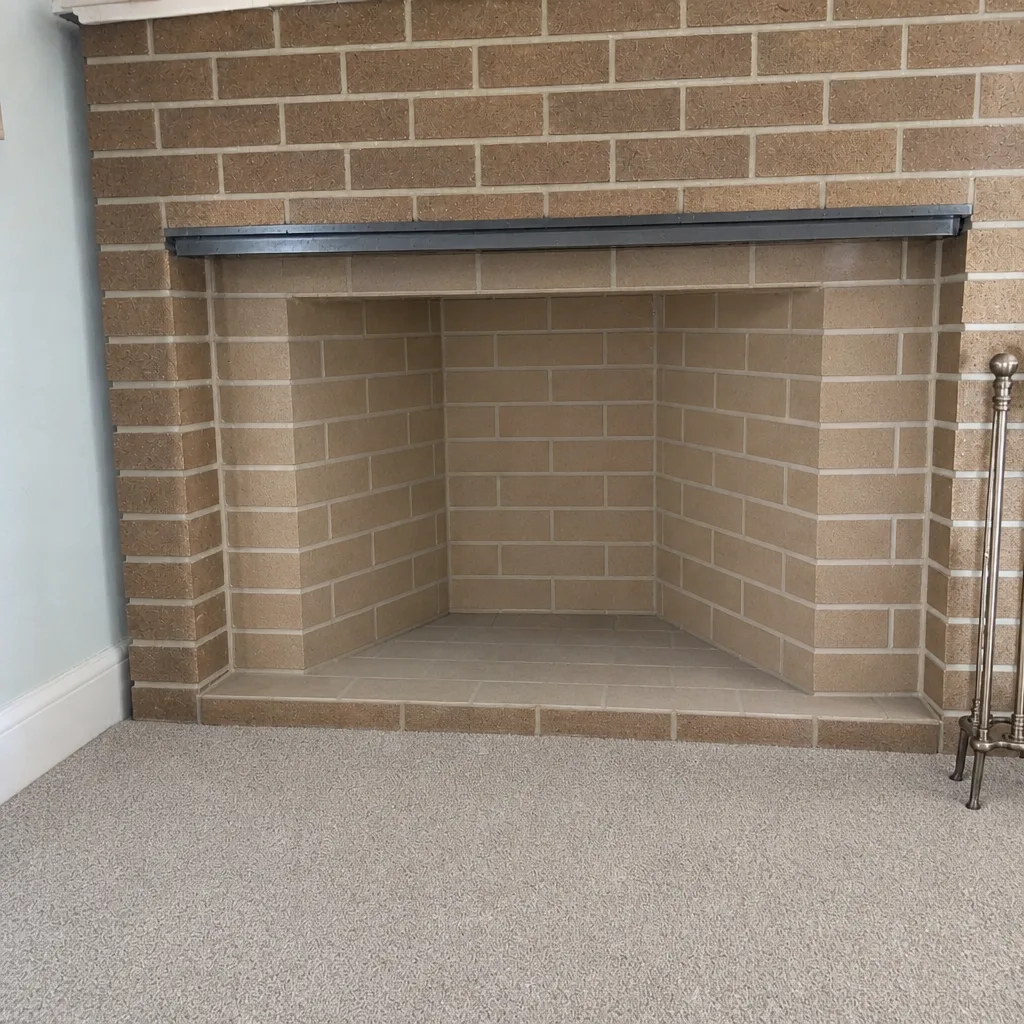
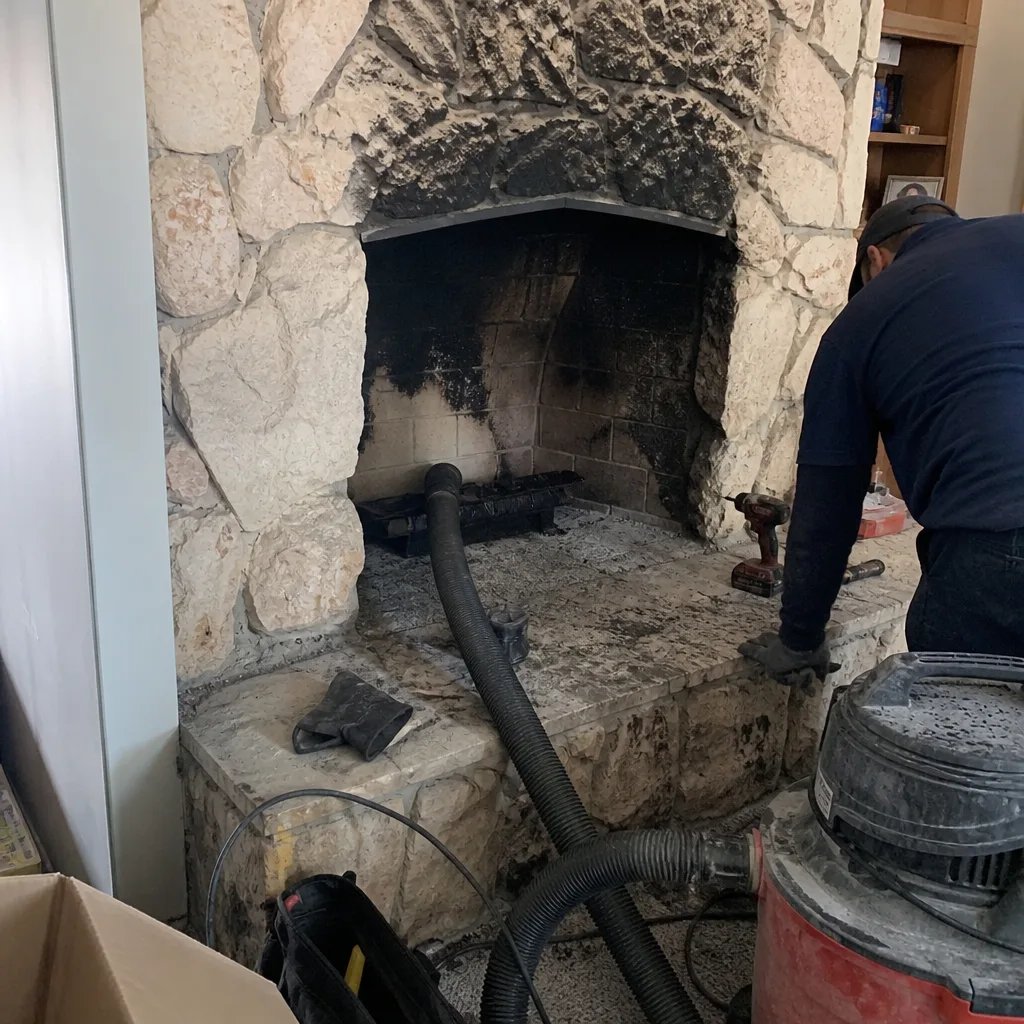
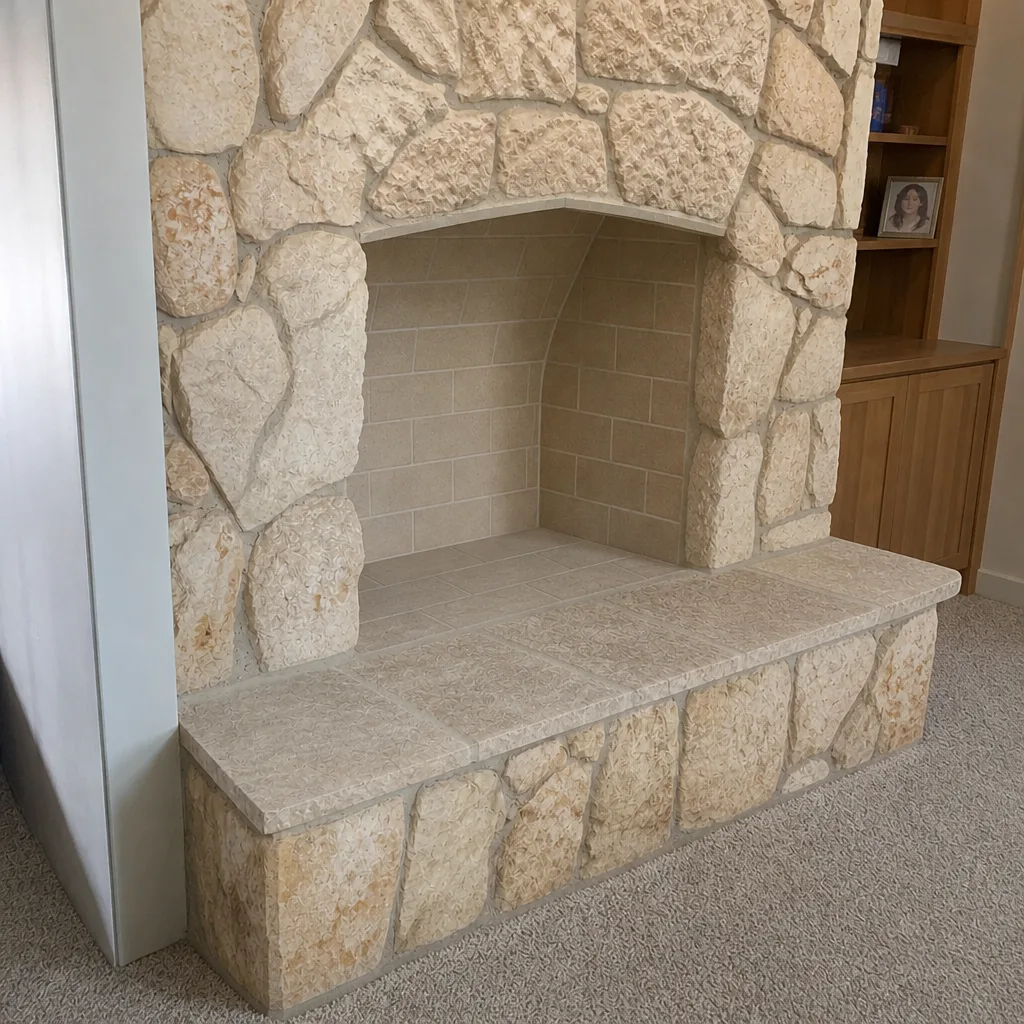
See the difference
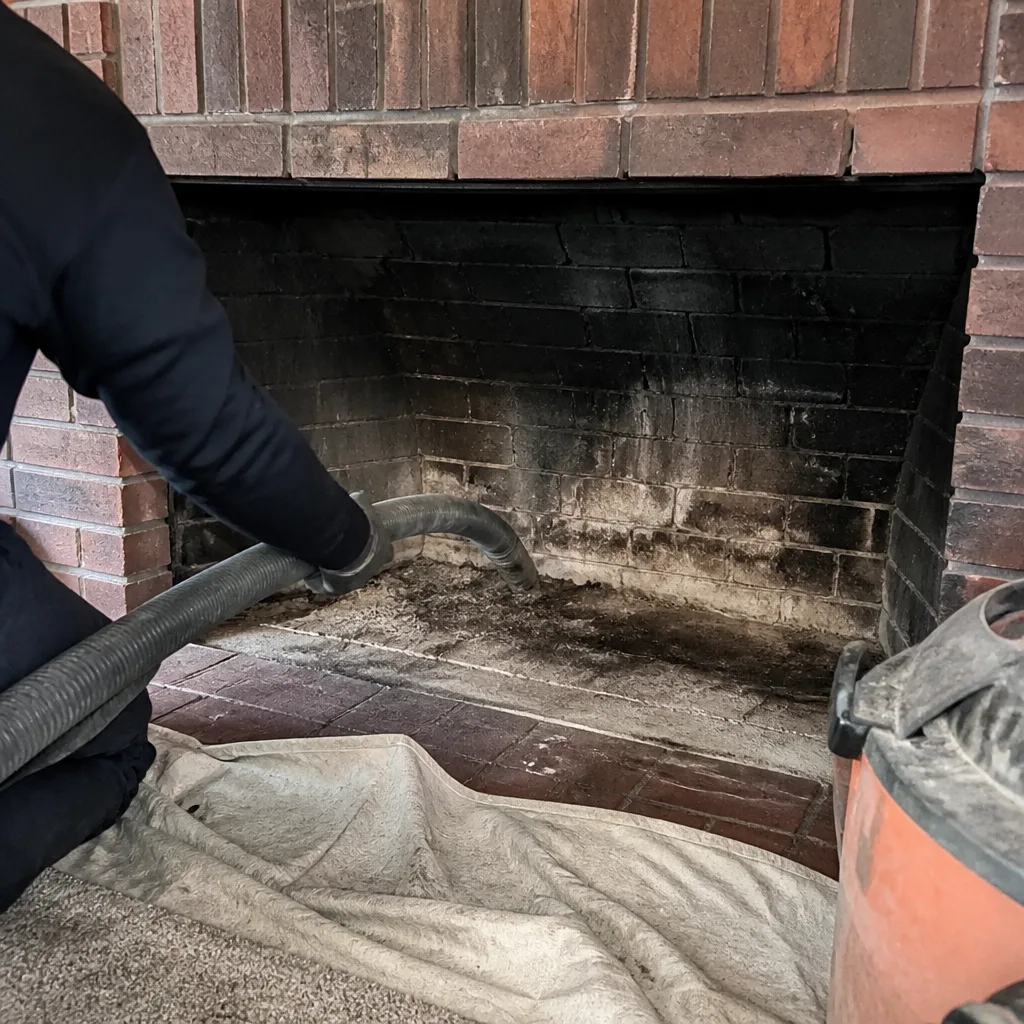 Before
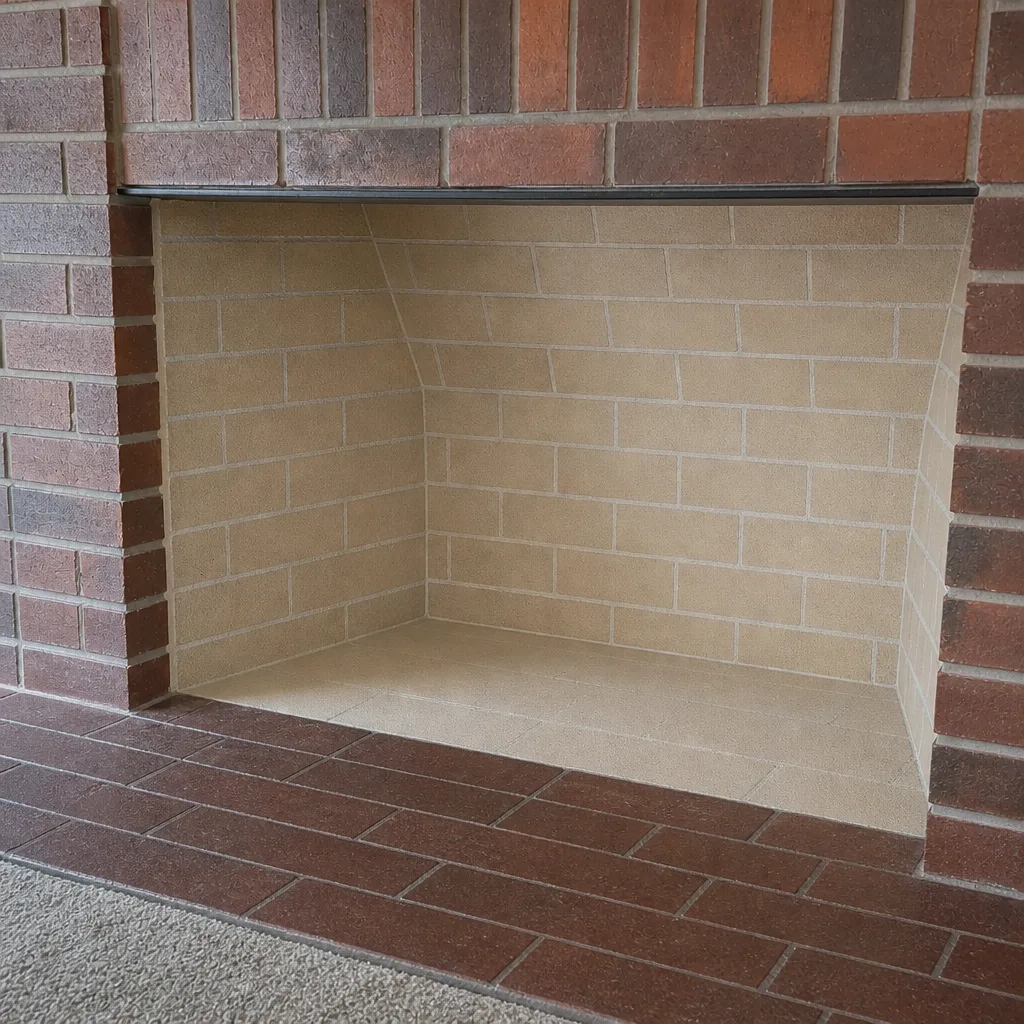 After
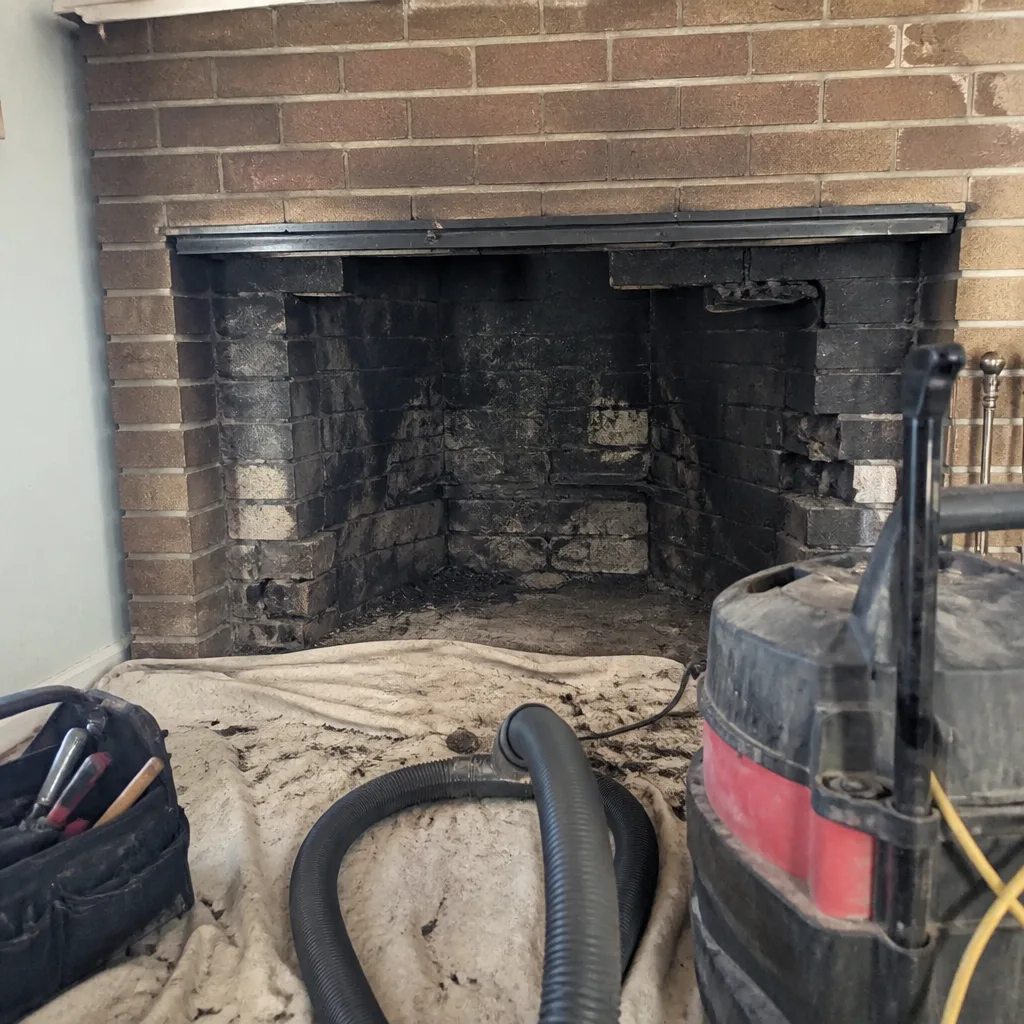 Before
 After
 Before
 After