
Last updated November 16, 2026
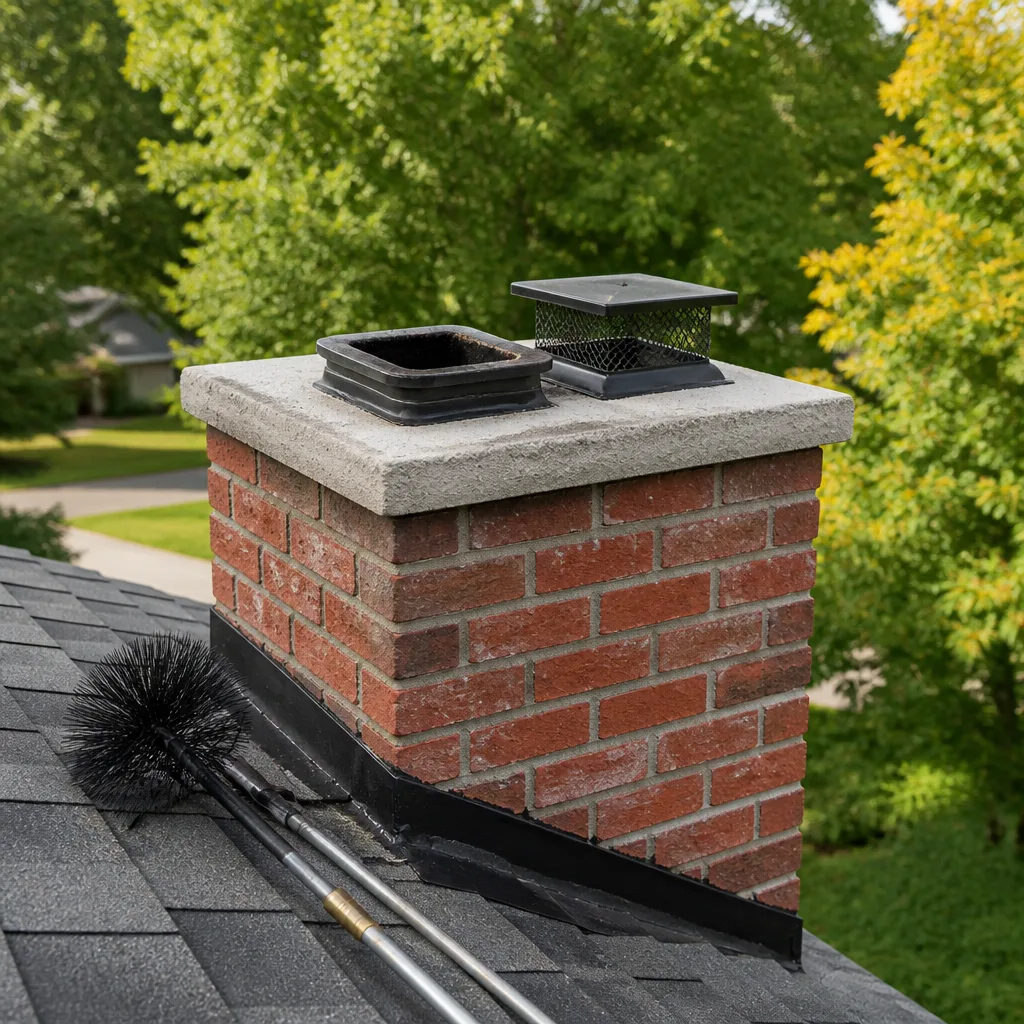 Sweep & inspection
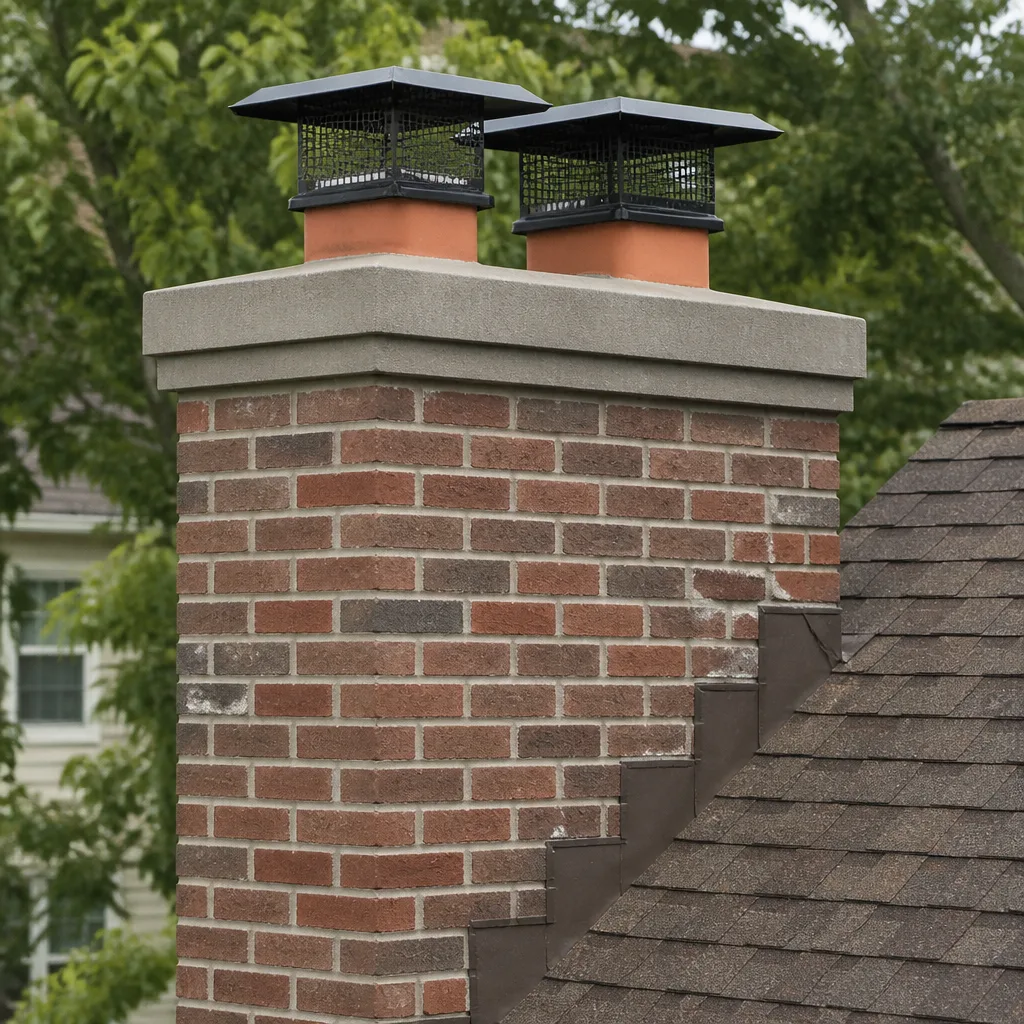 Caps & crowns
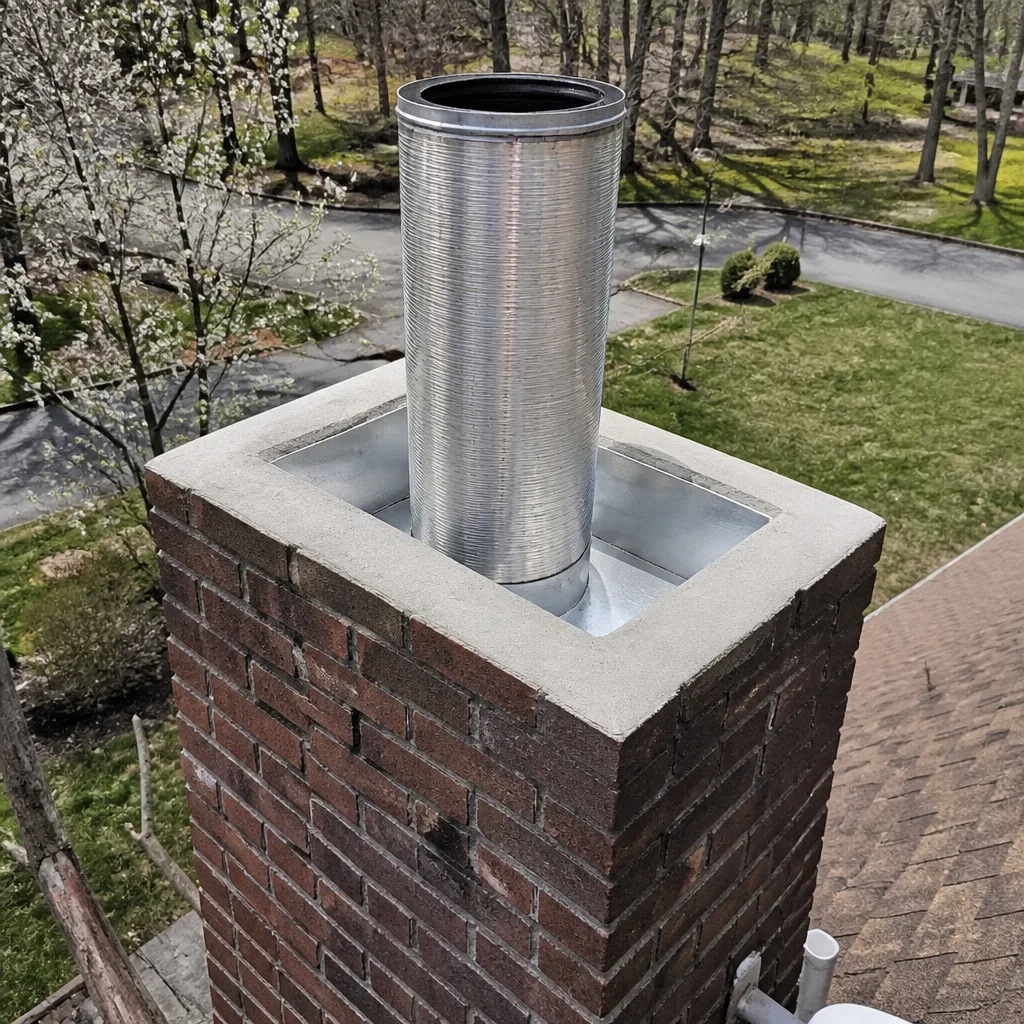 Flue relining
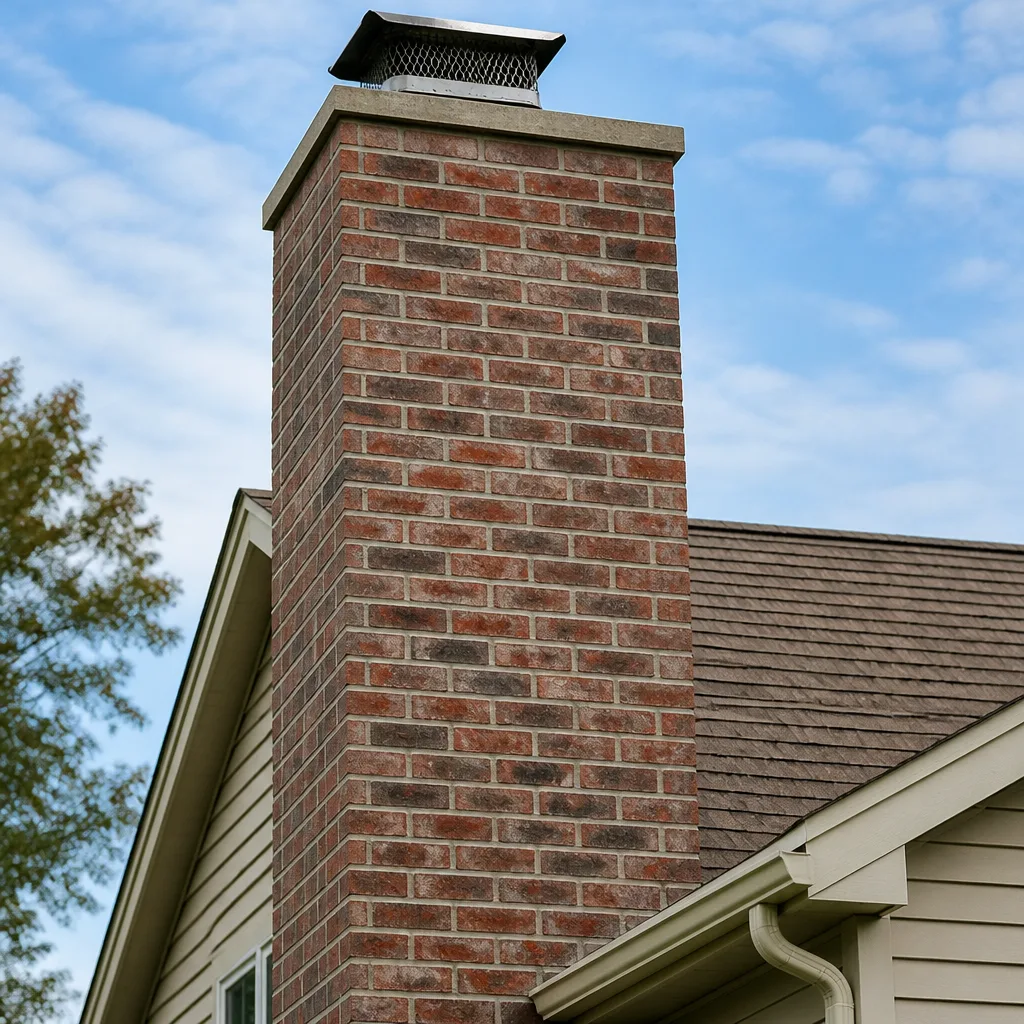 Masonry repair
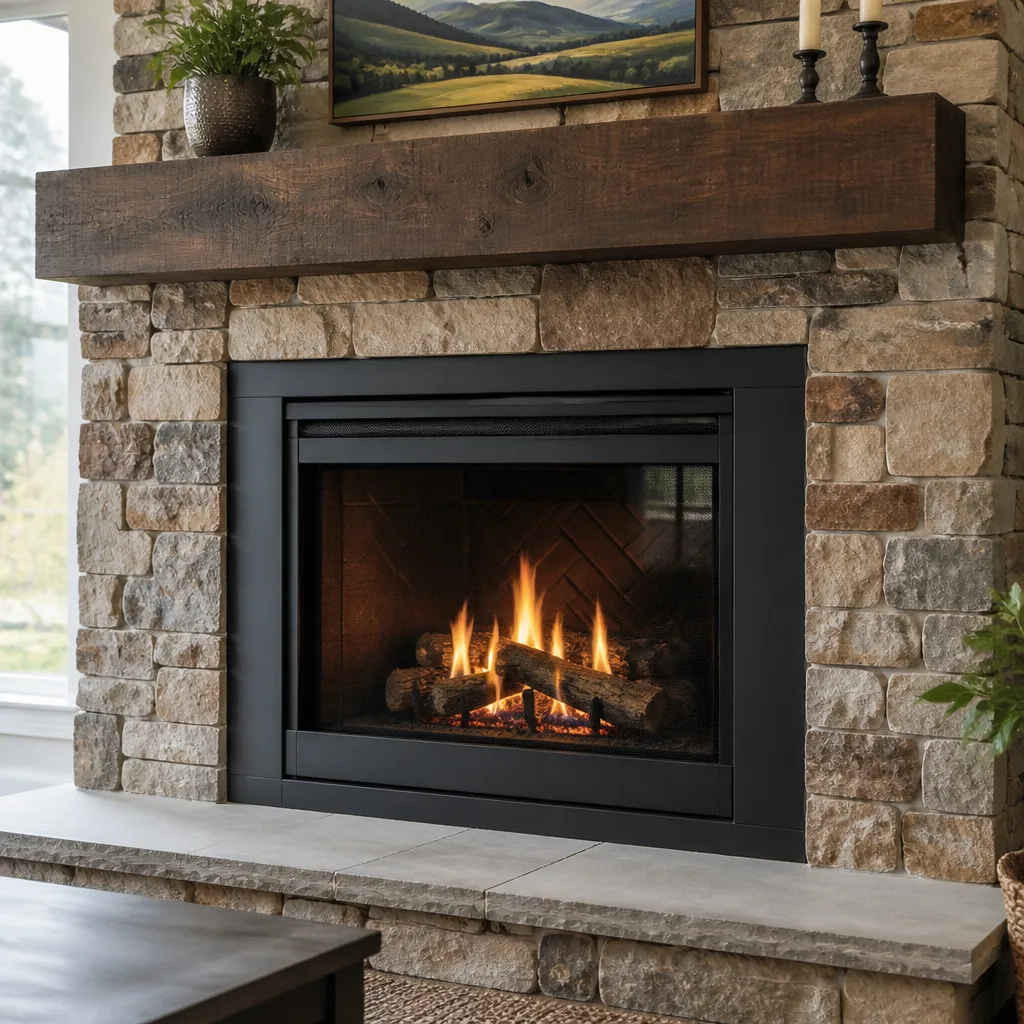 Gas fireplace service
Level 1 sweep and inspection to the NFPA 211 annual standard - flue, crown, cap, and flashing checked and photographed
Chimney sweep logs do not sweep chimneys. They loosen some creosote - which then falls where a brush and vacuum still have to collect it.
Chimney Sweep Maintenance Schedule: What to Do and When
Two houses on the same block can have chimneys in completely different condition, and the calendar on the wall won’t tell you which is which. One homeowner burns two cords of seasoned oak every winter and treats the fireplace as a real heat source. The neighbor lights theirs six times a season for ambiance and a glass of wine. Both were probably told the same thing: sweep once a year. That advice isn’t wrong, it’s just too blunt to catch the problems that actually develop. A maintenance schedule built around fuel type, how hard you run the system, and the age of the chimney does what a generic reminder can’t. This guide lays out the tracks, the inspection levels, and the seasonal timing that fit how people heat their homes in West Valley City.
Quick Answer
A workable chimney maintenance schedule is built on three things: fuel type, usage frequency, and chimney age. At minimum, have the chimney swept and inspected once a year. Low-use decorative fireplaces can stretch to annual inspection with cleaning every second or third year, moderate users need an annual sweep, and high-output wood burners used as primary heat need a sweep at roughly every cord of wood burned (often twice a winter) plus a Level 2 inspection when the system changes or shows problems. Schedule the inspection in early fall, before the first burn, so you’re not cleaning up a problem in January.
Styles & brands we work with
- Sweep & inspection
- Caps & crowns
- Flue relining
- Masonry repair
- Gas fireplace service
Table of Contents
- The Three Maintenance Tracks: Which One Fits Your Fireplace?
- Level 1, 2, and 3 Inspections: What Each One Actually Covers
- How Often Should You Clean? Reading the Creosote Line
- Timing It to the Utah Season: Why Fall Beats Spring
- The Maintenance Items Everyone Skips
- When Switching Fuel Resets the Whole Schedule
- Build Your Own Schedule: A Step-by-Step Worksheet
- Common Mistakes to Avoid
The Three Maintenance Tracks: Which One Fits Your Fireplace?
The single “once a year” rule assumes every chimney lives the same life. It doesn’t. The right schedule depends on how much combustion happens and what’s being burned. Here’s how we break it down for homeowners across West Valley City.
Track 1: Low-Use Decorative Fireplace
This is the fireplace that gets lit for holiday gatherings, the occasional cold Sunday, and ambiance. Figure fewer than a dozen fires a year. The chimney still needs attention, but the risk of heavy creosote buildup is low.
- Inspection: a Level 1 visual inspection every year.
- Sweep: every second or third year, or sooner if you notice buildup, a smoky draft, or a strong odor on warm days.
- Watch for: animal nests and debris during the off-season, cap damage from wind and freeze-thaw, and mortar joint wear in the firebox.
Track 2: Moderate Seasonal Use
This is the most common West Valley City profile: fires on most cold evenings from November through February, perhaps a cord of wood a season. Combustion happens routinely but not around the clock.
- Inspection: a Level 1 every year, with a Level 2 when you buy the home or change its setup.
- Sweep: annually, ideally before the first burn of the season.
- Watch for: creosote glazing at the smoke chamber, cracked damper components, and gasket wear on stove doors.
Track 3: High-Output Primary Heat
When the wood stove or fireplace insert is the main heat for the home, the system runs daily through the cold months and may burn several cords of wood. This is the track that punishes a lazy schedule.
- Inspection: a Level 1 every year, plus a Level 2 anytime the liner, stove, or cap changes or the stove performs differently.
- Sweep: roughly every cord of wood burned, which for a primary heat source often means twice a winter. We’ve seen heavy output systems need a mid-season check.
- Watch for: heavy creosote in the connector pipe and smoke chamber, liner deterioration, warped baffles, and stovepipe seams loosening from thermal cycling.
Most homeowners land in Track 2 and get by with an annual sweep. But if your stove is the reason your furnace runs less, treat the schedule like a heating system’s maintenance, not a fireplace’s. We’ll tell you which track you’re on when we inspect.
Level 1, 2, and 3 Inspections: What Each One Actually Covers
The National Fire Protection Association standard (NFPA 211) defines three levels of chimney inspection. Most homeowners have never heard of the distinction, yet it’s the single most useful piece of information for planning maintenance. A sweep is not the same thing as an inspection, and an inspection isn’t one fixed job. Here’s what each level covers.
Level 1: The Annual Visual Check
A Level 1 inspection is the standard annual inspection done at the same time as the sweep. It assumes the system is sound, so it looks at readily accessible parts without tools that require disassembly.
- Firebox, damper, and smoke chamber condition.
- Accessible portions of the flue and liner visible from the firebox or the top.
- Chimney exterior, crown, cap, and flashing.
- Connector pipe on stoves and inserts.
- Continued safe operation of the system.
Most homes only need a Level 1, and it’s the basis of the annual service that keeps a chimney safe.
Level 2: For Change and Problems
A Level 2 inspection goes further, often with a camera run down the flue, checking the interior of the liner, the smoke chamber, and the full path of the vent. It’s warranted when any of these apply:
- You’re buying or selling a home with a fireplace or stove.
- You’ve just had a chimney fire, even a small one.
- You’ve changed the fuel type, appliance, or liner.
- The stove or fireplace is performing differently (backdrafting, smoke in the room, weak draft).
- You’re about to install something new, or you’ve had earthquake or storm movement.
Level 3: When Access Is the Whole Point
A Level 3 inspection is the deepest, and it only happens when a Level 2 raises a specific concern that can’t be resolved without opening a wall or excavating part of the chimney. It’s the rare case, but a camera image of a cracked liner or a hidden brick problem often is what triggers it. You should never be recommended a Level 3 without a clear reason you and the technician can point to on the inspection report.
How Often Should You Clean? Reading the Creosote Line
The standard advice is a sweep every year, but the real answer is the amount of creosote on the flue. Creosote accumulates at different rates depending on fuel moisture, draft, and burn habits. When it reaches about an eighth of an inch, it’s time.
You can’t safely look down a flue yourself, but you can watch for signs that the schedule has slipped:
- Smoke that rolls into the room instead of up the flue, especially at startup.
- A strong, sour odor from the firebox when the fireplace is cold.
- A hardened glaze visible near the damper, which signals Stage 3 creosote and a chimney fire waiting to happen.
- Blackened smoke chamber above the damper, which points to incomplete combustion and heavy buildup.
For a wood stove doing primary heat in the Salt Lake Valley, a mid-season sweep is common. The valley’s temperature inversions and the tendency to burn hard in cold snaps create ideal creosote conditions, which is why a schedule can’t rely on the calendar alone. Our technicians have up to 14 years of experience, and most will tell you creosote is a product of the burn, not the date.
When the flue hits that threshold, a chimney sweep is the call. A proper sweep removes buildup from the firebox, flue, and smoke chamber, and the technician should show you what they found before the work is done.
Timing It to the Utah Season: Why Fall Beats Spring
When you schedule the sweep matters as much as how often. Spring cleaning is the traditional advice, and it’s not wrong for the chimney’s condition, but it’s the wrong time for the homeowner.
Why September Wins
An early-fall inspection, before the first burn, gives you time to fix problems while the weather is still mild. A cracked crown, a failing liner, or a cap damaged by a winter of wind can be repaired before the first cold snap, not after. A spring sweep is fine for clearing the off-season, but it leaves the whole Utah winter to expose whatever the fall check missed.
What a Utah Winter Does to a Chimney
West Valley City winters bring freeze-thaw cycles that work on the masonry, the crown, and the mortar joints. A tight mortar joint in October can open by February, and moisture that gets in and freezes can crack the crown. That’s why the fall inspection should always include the exterior and the top of the flue, not just the firebox.
If you’re going to do one chimney service a year, do it in the fall. A pre-burn-season inspection is the highest-value appointment in the calendar because it catches problems while there’s still time to fix them. Our chimney repair team handles the fixes a fall inspection turns up, so the same visit that finds a problem can schedule the work.
The Maintenance Items Everyone Skips
The annual sweep and inspection get the attention. These are the parts of the system that quietly fail when nobody looks, and they’re the reason a “clean” chimney can still be a problem.
Caps and Crowns
The chimney cap keeps rain, snow, and animals out of the flue. A damaged cap lets water into the liner and gives birds and squirrels a warm place to nest, and nests in a flue are a fire risk. A failing crown, the concrete top that sheds water away from the masonry, allows moisture into the brick and accelerates freeze-thaw damage. A cap and crown check belongs in every annual inspection. We install and stock Gelco and Famco caps and ventilation components because they hold up to a West Valley City winter far better than the flimsy generic caps. The right parts matter here, not just what’s on the truck.
Liner Condition
The liner is the flue’s protective barrier. It can develop cracks or gaps, and a compromised liner is the reason we don’t stop at sweeping. A camera inspection shows the condition of the liner in a way a visual from the firebox can’t. If a liner is cracked, we resurface it with HeatShield, the industry’s leading ceramic liner repair system, rather than recommending a full replacement unless the damage calls for one. HeatShield is a specialist solution most general sweep companies don’t offer, and it’s how we treat a hairline crack instead of replacing the whole liner.
Smoke Chamber Parging
The smoke chamber is the space between the damper and the flue. Its walls are often parged with rough mortar that traps creosote and soot. A rough, unparged smoke chamber is a hidden fire hazard because the creosote is out of sight and hard to sweep. During a Level 2, the technician should look at the smoke chamber’s parging and note any gaps or rough spots. Parging it smooth is a common repair, and it’s one a sweep alone won’t solve.
The Connector Pipe
On a wood stove or insert, the short pipe between the stove and the flue captures a lot of creosote and is often the first place a problem shows up. It should be checked and cleaned at every sweep, not just the flue.
When Switching Fuel Resets the Whole Schedule
Converting a wood fireplace to a gas insert, or replacing a wood stove with a different appliance, doesn’t just change the fuel. It changes everything the maintenance schedule was built on, and a lot of homeowners keep following the old schedule out of habit.
Here’s what changes when the fuel does:
- The inspection baseline moves. Any change to the appliance or the liner calls for a Level 2 inspection. That’s the standard, not a suggestion.
- Sweeping frequency changes. A gas insert needs less creosote removal but that doesn’t make it maintenance-free. The flue, the liner, and the vent still need an annual inspection for corrosion, blockages, and venting integrity.
- New components need new attention. A new insert, liner, or cap introduces parts the old schedule didn’t account for, and those parts have their own check intervals.
- Old damage doesn’t disappear. If the wood fireplace left creosote or a compromised liner behind, the new appliance sits on top of that. A Level 2 before the switch is how you avoid trading a wood problem for a gas one.
- The season stays the same. The first inspection after a fuel change should happen before the first burn of the new appliance, not after.
When we install or work with a new liner, we use DuraFlex flexible liner systems, and we’re authorized to install them. That level of specification is part of why a fuel switch is a professional job, not a drop-in replacement. If you’re considering a switch, get the inspection first, and build the new schedule from what the inspection finds.
Build Your Own Schedule: A Step-by-Step Worksheet
Every chimney maintenance schedule comes down to a handful of decisions. Work through these in order and you’ll have a plan you can actually follow.
- Identify the fuel. Wood, gas, pellet, or a mix. Each has different maintenance drivers and different creosote profiles.
- Pick your track. Low-use decorative, moderate seasonal use, or high-output primary heat. Track 2 is the default for most West Valley City homes.
- Count your wood. If you burn wood, estimate your cords per season. That number drives the sweep frequency more than anything else.
- Set the fall inspection. Put the Level 1 inspection on the calendar for early fall, before the first burn.
- Schedule the sweep. Annual for most, every second or third year for low-use, and often mid-season for primary heat.
- Log the inspection findings. Keep the technician’s report and the camera images. Next year’s schedule should be based on what this year found.
- Book any repairs before the season. If the inspection turns up a cap, crown, liner, or smoke chamber issue, schedule the fix while the weather allows.
- Re-inspect after any change. A new appliance, a liner repair, or a chimney fire means a Level 2 before the next burn.
That’s it. The complicated part is knowing what the inspection finds and what it means. That’s where a technician who can explain it and fix it on the spot earns their place on your schedule. We’ll tell you what we found and what it means, and we’re up front when something can safely wait.
Common Mistakes to Avoid
- Treating every chimney the same. The “once a year” rule is the floor, not the ceiling. High-output wood burners need more, and decorative fireplaces can need less. A schedule based on the calendar alone misses both ends.
- Skipping the Level 2 after a change. If you buy a home, install a new appliance, or notice a problem, a Level 1 does not cover it. The standard calls for a Level 2, and it’s what reveals problems a visual check can’t see.
- Waiting for a smoky draft to act. A smoky draft is a sign the schedule already slipped. In a West Valley City winter, a cold snap can turn a small problem into a repair, so earlier is better.
- Ignoring the cap and crown. A damaged cap lets animals and water into the flue, and a cracked crown lets moisture into the masonry. Both are cheap to fix when caught early and expensive when the freeze-thaw cycle gets to the brick.
- Assuming a gas insert means no maintenance. Gas appliances need annual inspection of the venting, liner, and components. The safety risks are different but still real.
- Not keeping the inspection report. The camera images and findings are how the next technician knows what to look at. Without a record, every inspection starts from scratch.
- Hiring the cheapest quote. A sweep with no inspection doesn’t tell you what’s wrong, and “we’ll fix it” without camera evidence is how homeowners get talked into work they can’t verify. If a company can’t show you what they found, ask why.
See the difference
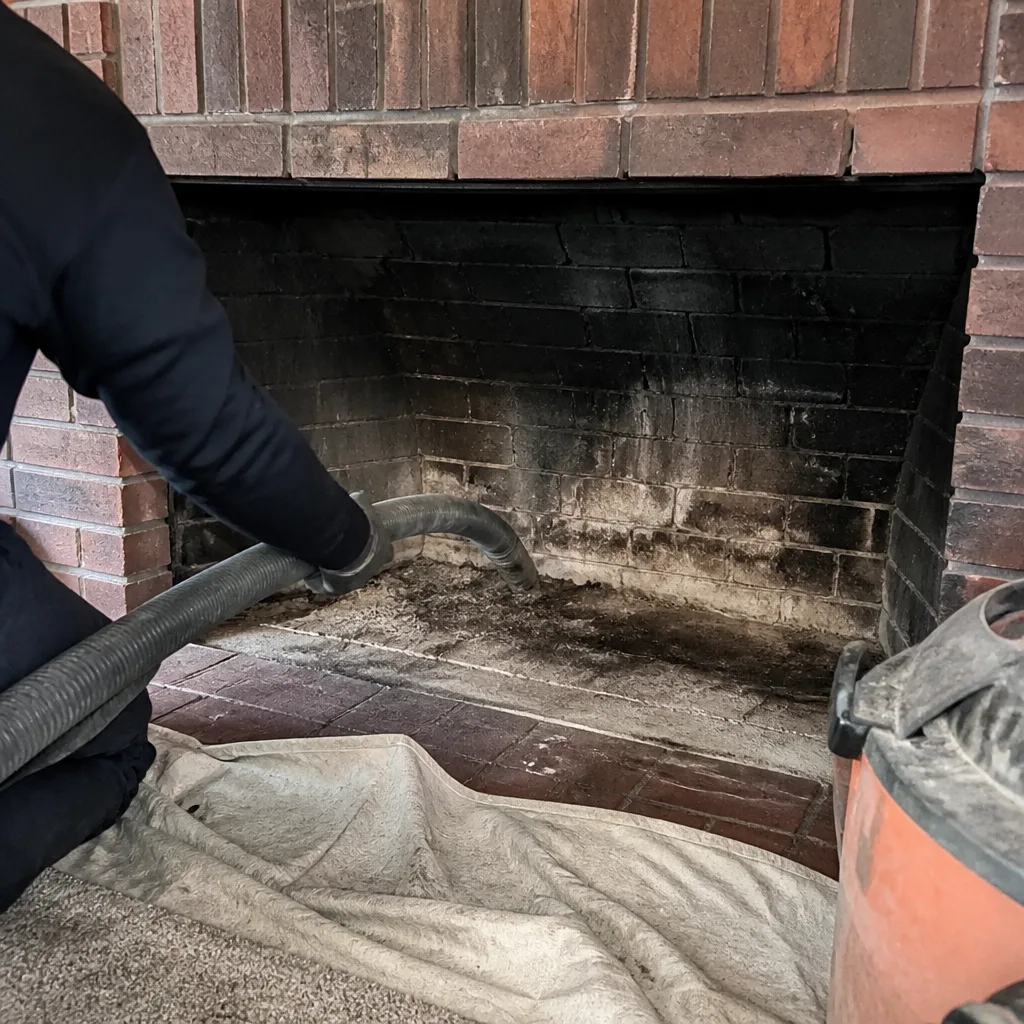 Before
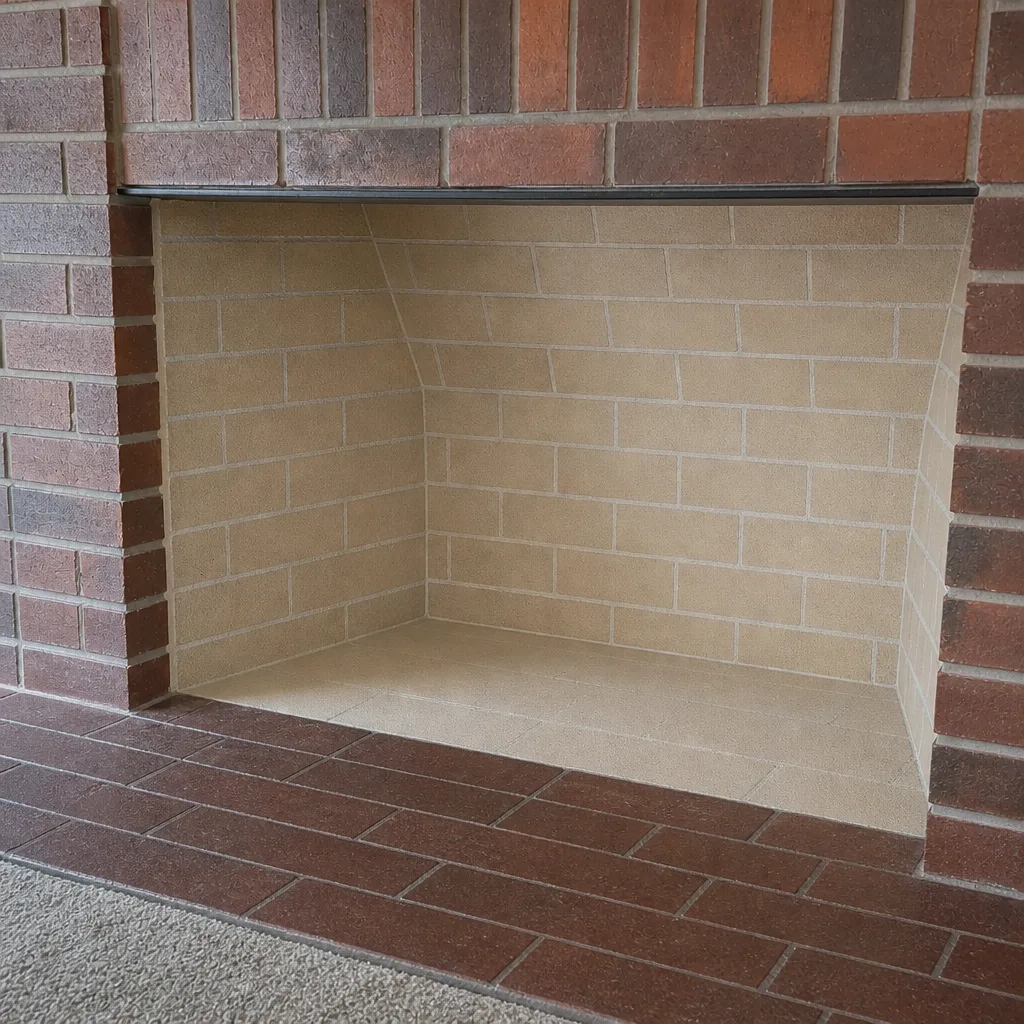 After
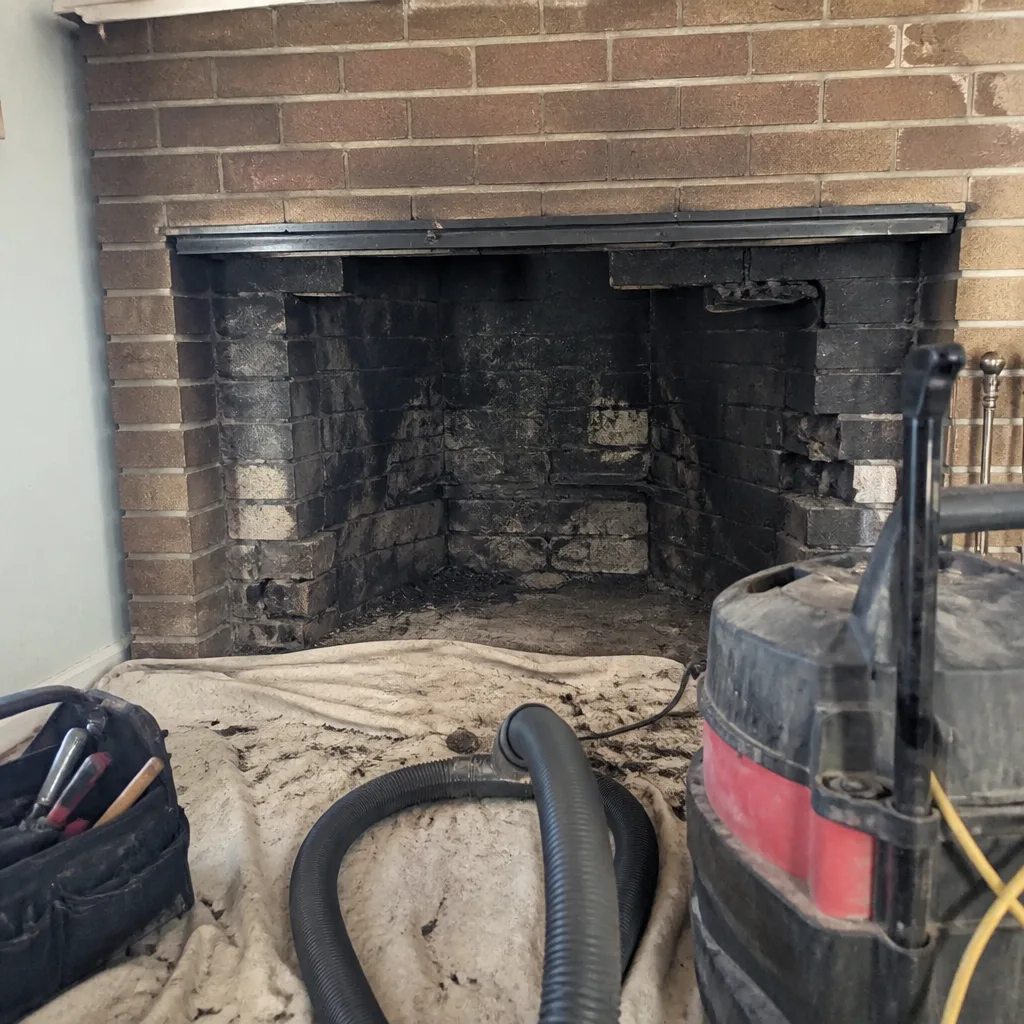 Before
 After
 Before
 After
When to Call a Professional
Some jobs are safe to do yourself. Most chimney maintenance isn’t, and a few situations need a professional now. Call us if any of these apply:
You smell smoke in the house when the fireplace is cold, or smoke rolls into the room at startup. You’ve had a chimney fire, even a small one, or you’ve heard the roar of one. You’ve changed the fuel type, installed a new insert, or bought a home with a fireplace or stove you haven’t had inspected. A cap or crown is broken or missing, animals have gotten into the flue, or you see loose masonry or staining on the exterior. The flue has heavy creosote or a glaze you can see near the damper. Any of these point to work that needs a trained technician, not a brush and a ladder.
We handle chimney sweeping, inspection, and repair as one service, and Blackwell Chimney Sweep offers free estimates in West Valley City. Call (855) 629-7505. We answer 24/7, and fast dispatch from 7am to 7pm, Sunday through Friday.
Frequently Asked Questions
Most West Valley City homes need an annual sweep, but the real answer depends on use and fuel. A decorative fireplace can go two or three years between sweeps, while a wood stove used as primary heat may need a sweep twice a winter, roughly at each cord of wood. We check the creosote buildup and tell you where your system lands before the schedule is set. Call (855) 629-7505 for an exact quote, which is free.
Early fall, before the first burn. A pre-burn-season inspection catches problems while there’s still time to fix them ahead of the cold. Spring cleaning is fine for clearing the off-season, but the fall inspection is the one that protects the season. Call (855) 629-7505 to book the fall appointment.
A sweep removes creosote and soot from the firebox, flue, and smoke chamber. An inspection evaluates the condition of the whole system, including the liner, cap, crown, and smoke chamber. You should get both, and a proper appointment includes an inspection with the sweep. Call (855) 629-7505 for a package that covers both.
You need a Level 2 if you bought or sold a home with a fireplace or stove, changed the appliance or fuel type, had a chimney fire, or noticed a problem like backdrafting or a smoky draft. For routine annual care, a Level 1 is the standard. Call (855) 629-7505 and we’ll tell you which level fits your situation, and the estimate is free.
Every year, during the annual inspection, and after any major wind or storm. A damaged cap lets water and animals into the flue, and a cracked crown exposes the masonry to the freeze-thaw cycle that’s hard on chimneys in West Valley City. Call (855) 629-7505 for a cap and crown check with your next sweep.
Yes, the schedule changes. A gas insert needs less creosote removal but still requires an annual inspection of the venting, liner, and components, and any fuel switch calls for a Level 2 inspection before the first burn. If the wood fireplace left damage behind, that gets fixed first. Call (855) 629-7505 to plan the inspection around your switch.
How long does a sweep and inspection take?
The appointment usually takes a couple of hours, depending on the system and how much buildup there is. A visual inspection and camera check add time on top of the sweep. The best thing to do is book it before the first burn. The estimate is free, so call (855) 629-7505 and we’ll set it up.
The Bottom Line
Annual inspections are the floor, not the gold standard. A maintenance schedule that actually fits your chimney is built on fuel type, usage frequency, and system age, and it moves with those factors instead of a fixed reminder. The three tracks give you a starting point, the NFPA inspection levels tell you when to go deeper, and the Utah season points to a fall inspection over a spring clean. It’s the parts nobody checks, the cap, the crown, the liner, and the smoke chamber, that quietly fail between visits. Watch for creosote signs, keep the inspection report, and reset the schedule whenever the fuel changes. If you’re not sure which track you’re on, that’s the question an inspection answers. We’ll tell you what we found and what it means, and repairs stay within the Blackwell Chimney Sweep service across West Valley City.
Call (855) 629-7505 for a free estimate. We answer 24/7. Fast dispatch from 7am to 7pm, Sunday through Friday.
Written by the team at Blackwell Chimney Sweep.