
Last updated November 16, 2026
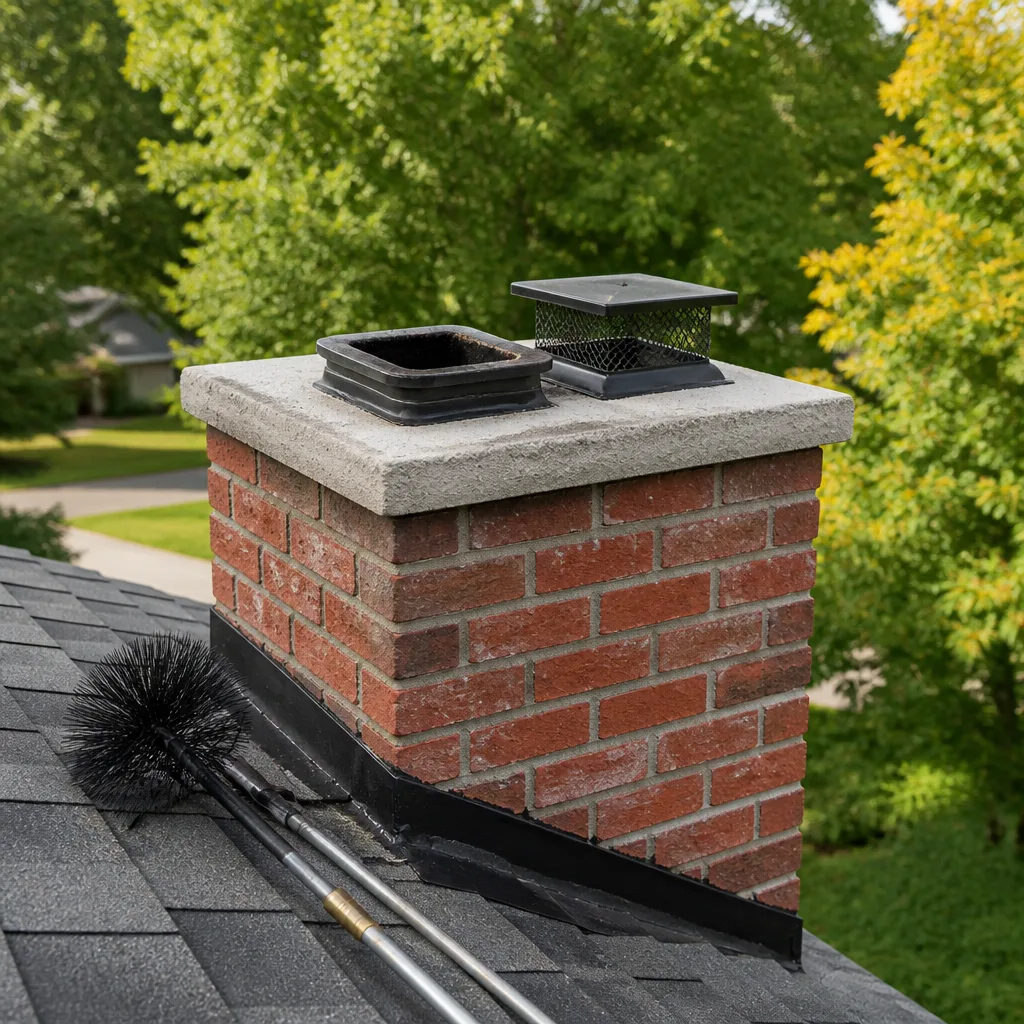 Sweep & inspection
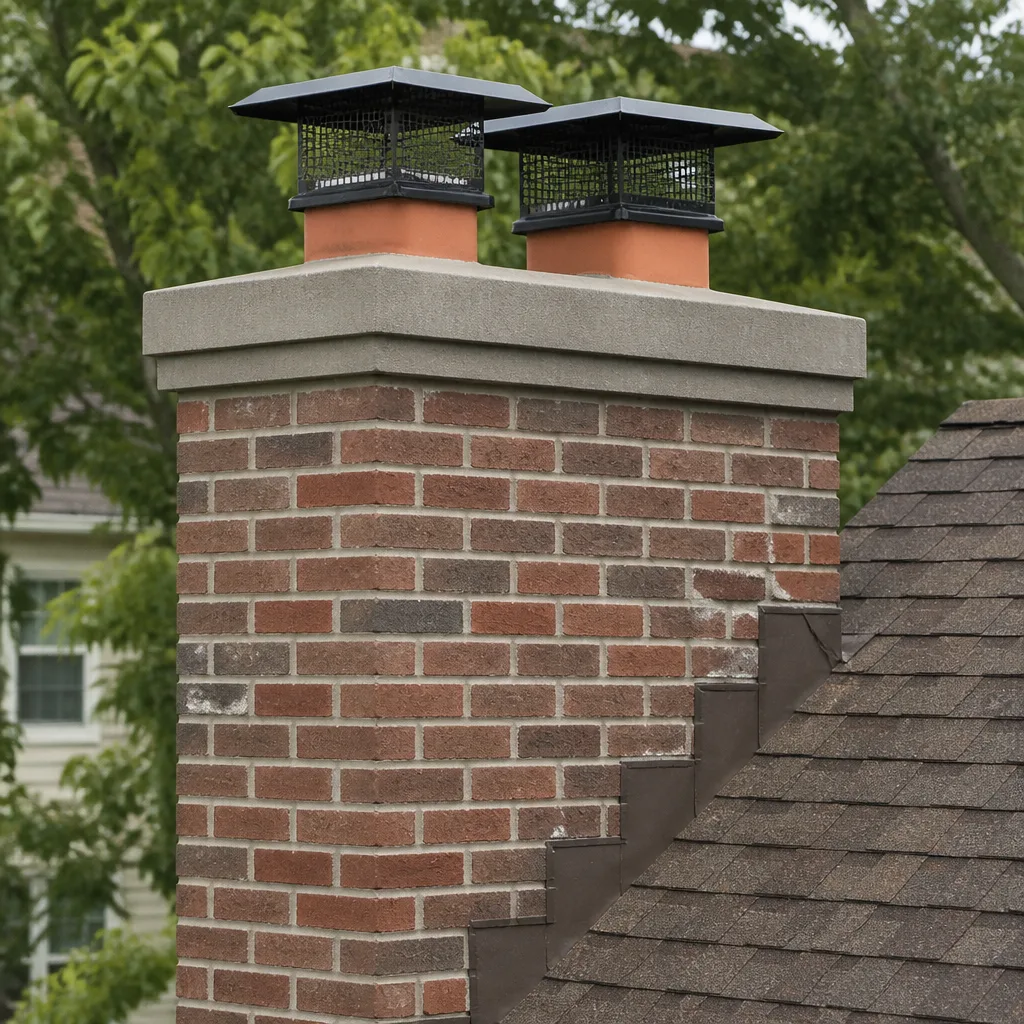 Caps & crowns
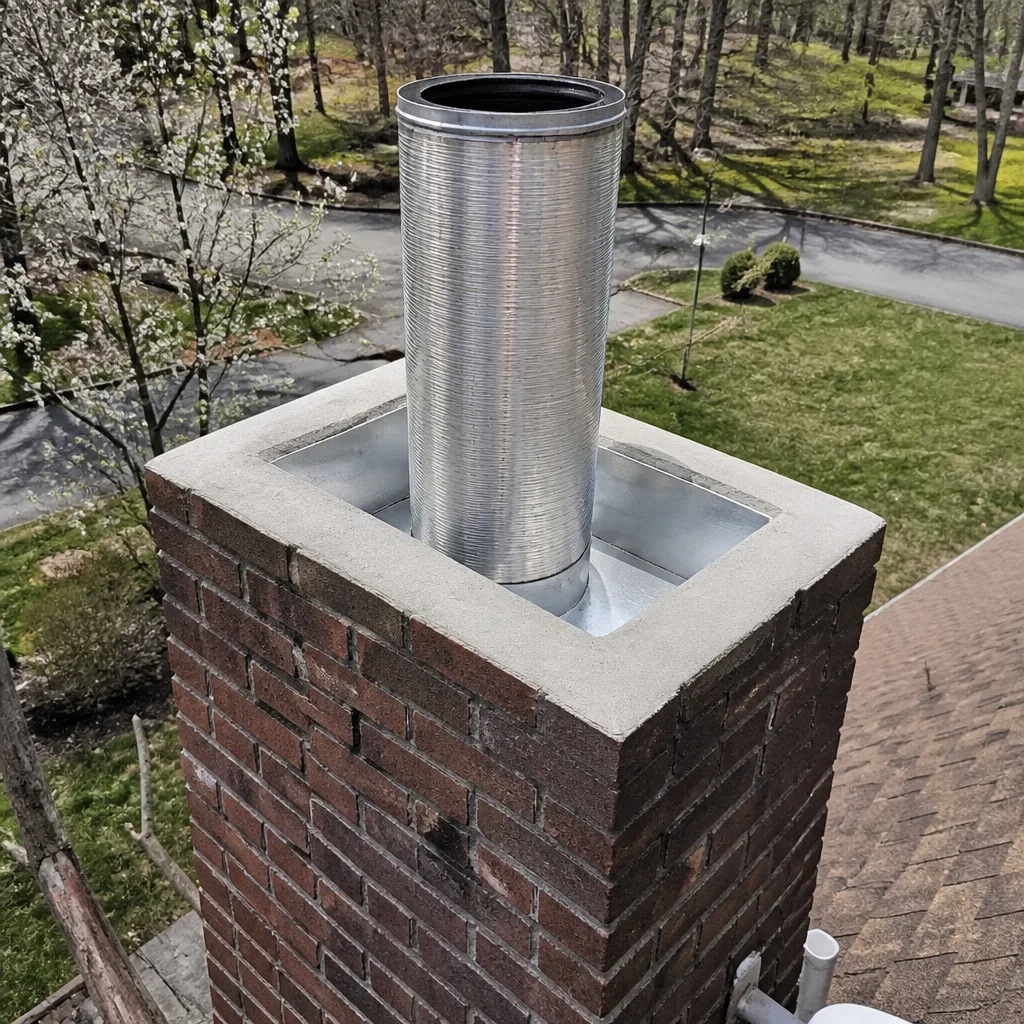 Flue relining
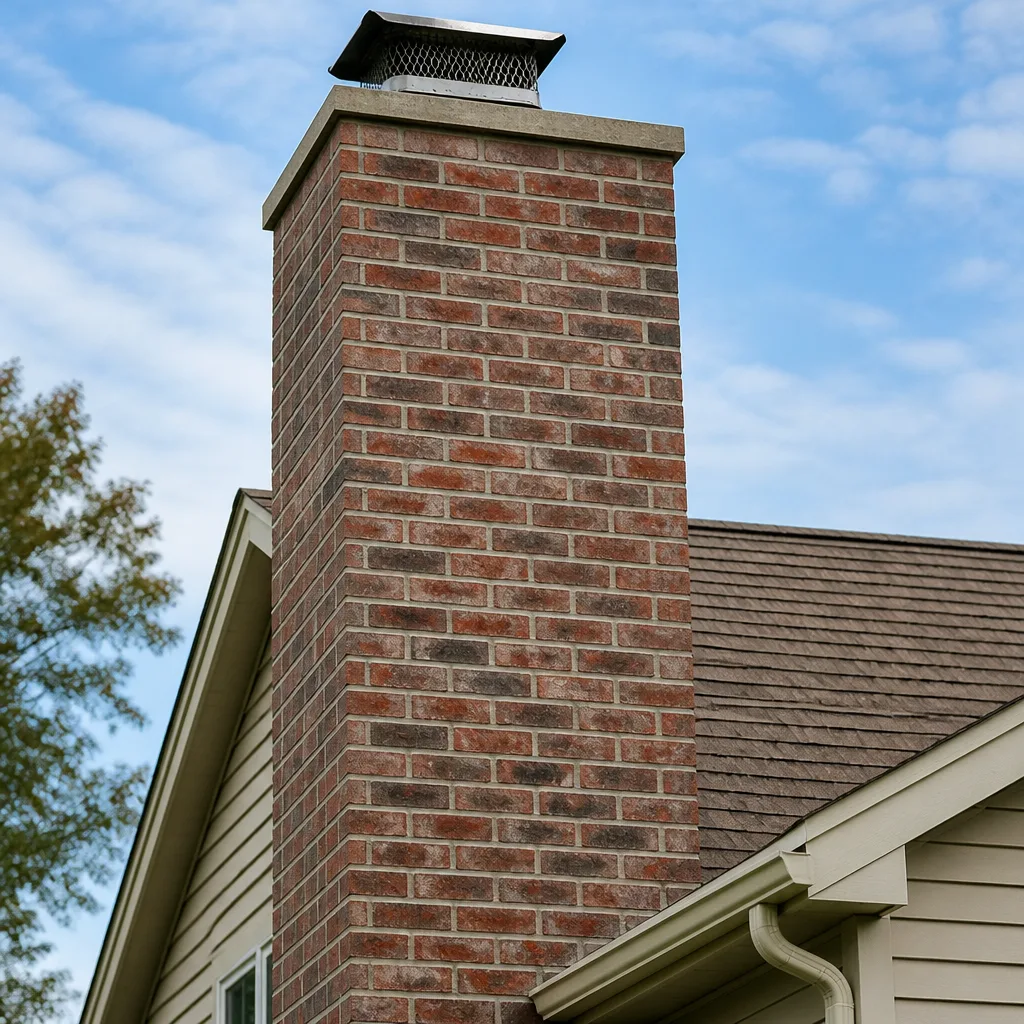 Masonry repair
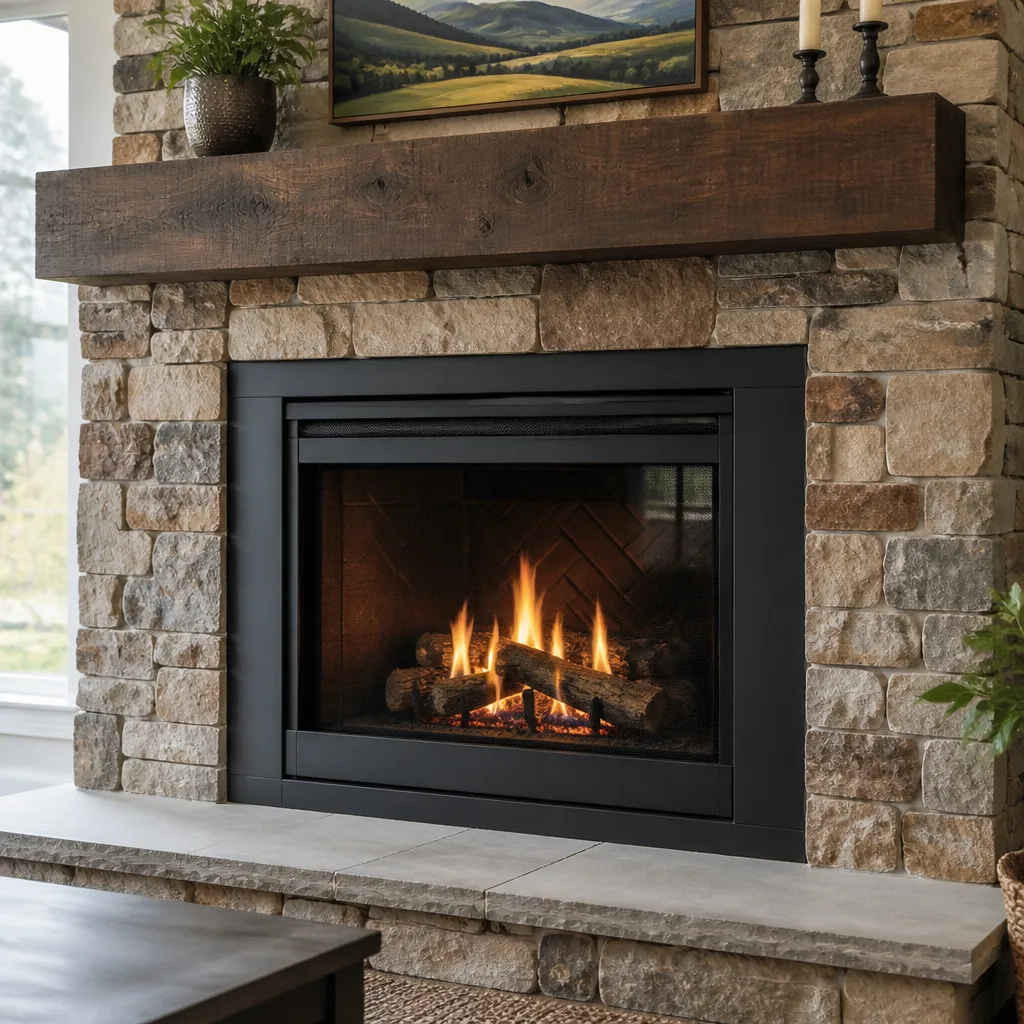 Gas fireplace service
Level 1 sweep and inspection to the NFPA 211 annual standard - flue, crown, cap, and flashing checked and photographed
Chimney sweep logs do not sweep chimneys. They loosen some creosote - which then falls where a brush and vacuum still have to collect it.
Chimney Sweep Maintenance Checklist for West Valley City Homeowners
Most chimney maintenance checklists hand you a generic to-do list: sweep once a year, check the cap, call someone if something looks off. That advice isn’t wrong, but it’s incomplete. In our experience, the item chimney professionals find neglected most often in West Valley City homes isn’t creosote buildup. It’s a deteriorated smoke chamber quietly funneling carbon monoxide past a firebox that looks perfectly fine from the outside. This guide is organized around the actual failure points we see repeatedly in West Valley City and the surrounding valley, task by task, sorted into what you can check yourself and what genuinely requires a trained chimney technician. You’ll also find red-line thresholds that tell you when to stop using the fireplace entirely.
Quick Answer
A complete chimney maintenance checklist for West Valley City covers four categories: annual sweeping and inspection by a qualified technician, homeowner checks of the cap, crown, and flashing, smoke chamber and smoke shelf evaluation, and year-over-year documentation of chimney condition. The single most important task is a Level 2 inspection when you move into a home or after any chimney fire, because the smoke chamber and flue interior are where damage hides.
Styles & brands we work with
- Sweep & inspection
- Caps & crowns
- Flue relining
- Masonry repair
- Gas fireplace service
Table of Contents
- Why Chimney Maintenance Matters More in West Valley City
- Homeowner-Doable Tasks: What You Can Actually Check
- Professional-Required Tasks: What Needs a Technician
- The Smoke Chamber and Smoke Shelf: The Most Skipped Item
- Cap, Crown, and Flashing: What Utah’s UV and Freeze-Thaw Cycles Do
- Documenting Chimney Condition Year Over Year
- Red-Line Thresholds: When to Stop Using the Fireplace
- When to Schedule Your Annual Sweep in West Valley City
Why Chimney Maintenance Matters More in West Valley City
West Valley City sits in the Salt Lake Valley, and that geography shapes chimney maintenance in ways that a checklist written for a humid climate won’t capture. The valley traps cold air in winter, and temperature inversions hold smoke and particulates low. That means your chimney doesn’t just vent your fire. It carries the burden of everything else in the air around it, and a clean, well-sealed flue keeps smoke where it belongs instead of backing into your home.
The bigger local factor is what we call the freeze-thaw cycle. Utah’s winters swing between nights well below freezing and daytime thaws, sometimes within the same 24 hours. Moisture works its way into masonry cracks, expands as it freezes, and widens the crack each time. The process repeats dozens of times in a single season. We see crowns that looked intact in October with thin hairline fractures by February. When a crown cracks, water gets behind it, and water in a chimney is the beginning of nearly every masonry repair we perform.
UV intensity is the other West Valley City-specific factor. We’re at high elevation with strong sun year-round. That sun bakes the crown and cap continuously, drying and curing the mortar and breaking down sealants faster than most homeowners expect. A chimney on a south-facing roof slope in West Valley City ages differently than one on the north side of the same house.
Combine freeze-thaw, UV, and a winter inversion pattern that holds cold air against the ground, and you get a chimney that needs attention on a schedule dictated by local conditions, not by a generic national checklist. Our technicians have up to 14 years of experience working in this valley, and the patterns hold true across every neighborhood we serve.
Homeowner-Doable Tasks: What You Can Actually Check
Not every maintenance task requires a professional. Several are things a careful homeowner can do safely from the ground or from a ladder with a partner spotting. We’ll tell you what to check and what “good” looks like, so you know when to flag something for your next inspection. What we won’t give you are instructions for climbing onto the roof or opening the firebox to disassemble components; those carry real safety risk and belong to a trained technician.
Here are the homeowner-doable checks, in order of importance:
- The annual sweep reminder. Keep a note of when you last had the chimney swept. Mark the calendar for the same time next year. A chimney that sees regular fires needs sweeping once a year, more often if you burn a lot of softwood or green wood.
- The cap from the ground. Use binoculars from the yard. The cap should sit square on the flue top, its mesh screen intact with no sagging or rust holes. A missing or damaged cap means rain, birds, and debris have an open door into your flue.
- The crown, also from the ground. The crown is the concrete or masonry top that slopes away from the flue. Look for visible cracks, missing chunks at the edges, or water stains running down the outside of the chimney below the crown line.
- Flashing at the roof line. From a safe vantage, look at where the chimney meets the roof. Flashing should be snug with no lifted edges or gaps. A dark stain on the sheathing near the chimney is a sign moisture is getting through.
- The firebox interior before the first fire of the season. Look for broken firebrick, gaps in the mortar joints, or a firebox wall that’s cracked through. Do this with a flashlight and no fire burning.
- Smoke and draft behavior. When you light a fire, does smoke spill into the room before the draft establishes? That puffing, along with a fire that smokes persistently, tells you to have the draft professionally evaluated. Don’t try to fix it with a damper adjustment alone.
Each of these checks takes minutes and costs nothing. Done consistently, they catch small problems before they become expensive ones, and they give you specific observations to bring to your next inspection. When you’re ready to book that sweep, we handle the full job in one visit through our chimney sweep service.
Professional-Required Tasks: What Needs a Technician
Some tasks are simply beyond what a homeowner can safely or thoroughly do, and pretending otherwise is how small problems get missed for years. A technician has the tools, the lighting, the camera equipment, and the training to see inside the flue and smoke chamber where the real condition of your chimney lives.
These are the tasks that require a trained chimney technician:
- Professional sweeping of the flue. The right brushes, attachments, and a system to contain and remove the soot. Creosote that has hardened into a glaze cannot be removed by a homeowner with a brush.
- Level 1, Level 2, and Level 3 inspection. A Level 1 is the visual check during a routine sweep. A Level 2 uses video camera equipment to see the flue walls, liner joints, smoke chamber, and smoke shelf. A Level 3 opens concealed areas when the camera or visual check reveals a serious defect.
- Smoke chamber and smoke shelf evaluation. The most skipped item, and the one this guide centers on. Access requires reaching the smoke shelf area above the damper, and evaluating condition requires training to interpret what’s found.
- Liner inspection and repair. A cracked or deteriorated liner is a carbon monoxide pathway. Our technicians assess liner condition and can install a DuraFlex flexible liner system when replacement is warranted.
- HeatShield ceramic resurfacing. This specialist system resurfacing is not something a general handyman offers. When a smoke chamber is deteriorated but the rest of the chimney is sound, resurfacing with HeatShield addresses the defect without a full teardown.
- Creosote glaze assessment. Glaze indicates a chimney fire has likely occurred. The chimney fire risk from glazed creosote is the reason this can’t be a DIY call.
- Cap, crown, and flashing repair or replacement. Sealing and repointing work done safely and to a standard that survives the freeze-thaw cycles.
- Smoke and carbon monoxide detector placement check. Detectors belong on every level of the home and in sleeping areas. A technician can confirm placement and note where the system needs attention.
Sweep, inspect, and repair all handled in one visit means you’re not coordinating multiple contractors to finish what a cleaning started. That’s the standard we work to, and it’s why we source materials through Olympia Chimney and keep professional-grade hardware on hand rather than improvising a fix.
The Smoke Chamber and Smoke Shelf: The Most Skipped Item
Here’s why we put this section at the center of the checklist. The smoke chamber is the tapering space above the damper and below the flue. The smoke shelf is the ledge at the back that helps turn smoke upward. Together they do a specific job: they funnel smoke from the wide firebox into the narrow flue, and they block downdrafts from pushing smoke back into the room while also venting gases out of your home.
When a smoke chamber is in good condition, its surfaces are smooth and the taper guides smoke cleanly upward. When it deteriorates, the surfaces develop cracks, rough patches, or deteriorated mortar. Those defects disrupt the airflow, trap creosote, and provide paths for carbon monoxide and other combustion gases to move in places they shouldn’t. And here is the hard part: from inside your living room, looking at a pristine firebox, you cannot see any of it. The smoke chamber sits above the damper, out of sight, and a firebox that looks perfect tells you nothing about it.
Professionals inspect the smoke chamber with a camera during a Level 2 inspection, and that is where the damage becomes visible. Common findings include:
- Spalled or crumbling masonry along the smoke chamber walls
- Cracks in the masonry running from the smoke shelf upward into the smoke chamber
- Corroded or damaged damper components
- Rough or deteriorated surfaces that catch creosote and impede draft
- Missing or improperly built smoke shelf geometry from a previous improper repair
What separates our approach on this specific item is the repair method. Many sweep companies can identify a damaged smoke chamber but only offer to recommend a second contractor for the fix. HeatShield ceramic resurfacing is a specialist-tier solution that seals and smooths the smoke chamber interior, restoring function without a teardown. We use it because it’s the industry’s leading resurfacing system, and it’s the right material for a repair a sweeping alone cannot solve. If the chamber is beyond resurfacing, the repair plan will say so, and we’ll discuss it with you honestly. For a deeper look at repair options, see our chimney repair service.
Cap, Crown, and Flashing: What Utah’s UV and Freeze-Thaw Cycles Do
Your chimney’s exterior takes a beating that masonry and metal from milder climates never have to endure. The combination of intense UV and repeated freeze-thaw is why the cap, crown, and flashing are the components we see fail first in West Valley City. Each fails differently, and each failure opens a distinct pathway for water damage.
The cap. A proper cap keeps out rain, squirrels, birds, and debris, and its mesh screen stops sparks from escaping onto the roof. UV exposure breaks down the mesh and the housing, and ice can sag or dislodge a poorly attached cap. A missing or damaged cap lets water into your flue, where it mixes with soot and accelerates corrosion. We stock and install Gelco and Famco caps and ventilation components because they hold up to local conditions rather than the cheapest hardware a shop happens to have.
The crown. The crown is a concrete or masonry slab that caps the top of the chimney and slopes to shed water. Cracks let water down behind the crown and into the chimney structure. Those cracks form from freeze-thaw: water enters a hairline crack, freezes overnight, expands, and widens the crack. Over a single winter the process can repeat many times. A cracked crown should be repaired or rebuilt before the next heating season, or the masonry below it will need repair too.
The flashing. Flashing is the metal that seals the chimney to your roof and sheds water around the penetration. UV exposure and thermal movement can lift it, and a gap in flashing sends water straight into your roof sheathing and eventually into the ceiling below. Look for lifted edges, gaps, or rust, and check inside the attic along the chimney line for staining. Flashing repairs done right involve the right materials and a proper seal, and this is a job for a technician on the roof.
Because our focus is chimneys only, we look at cap, crown, and flashing as one coordinated system rather than three separate afterthoughts. When one component fails, the others usually need inspection too, and addressing them together is how you stop the water damage loop before it repeats every season.
Documenting Chimney Condition Year Over Year
The single most useful thing you can do for long-term chimney health is to keep a simple record. A chimney deteriorates gradually, and changes that look unremarkable in any one year become an obvious pattern across three or four. Without records, you’re relying on memory, and memory fails where photos don’t.
A practical documentation routine looks like this:
- Save every inspection report. A proper inspection produces documented findings, and a camera inspection can produce a photo report. Keep each one, labeled with the date. When you compare this year’s photos to last year’s, the progression of a crack or a crown becomes visible and doesn’t rely on anyone’s recollection.
- Photograph the exterior from the same spot each year. Stand in the same place in your yard and take photos of the cap, crown, and flashing at roughly the same angle each fall. A side-by-side comparison tells you whether that hairline in the crown is stable or growing.
- Note your burn habits. How much wood you burn, what species, and whether the wood is well-seasoned all affect creosote accumulation. A year with wet wood or a lot of pine produces more creosote, and that belongs in your notes next to the sweep report.
- Log any repair work. Note what was repaired, when, and with what material. If your smoke chamber was resurfaced with HeatShield, that’s a fact the next technician should know, and so should you when evaluating whether the fix is holding.
- Review the record before each heating season. Spend ten minutes with your folder or phone gallery before the first fire of the year. You’ll show up to your booking with a clear history, and you’ll catch a pattern before it becomes a repair.
Progression damage is the reason to bother. A crack that grows a little each year eventually reaches the point where it crosses a red-line threshold. Documented, you see it coming. Undocumented, the first sign of trouble is often a water stain on the ceiling or a smell in the house. If you want a starting point, book an inspection and we’ll give you documentation you can build on from there.
Red-Line Thresholds: When to Stop Using the Fireplace
Some conditions mean stop using the fireplace now, not wait for your next appointment. These are the thresholds that separate “schedule a sweep” from “don’t light another fire until it’s inspected.” Knowing them is a safety matter, and we’d rather you err on the side of caution than burn through a warning sign.
Stop using the fireplace immediately and schedule an inspection if you notice any of the following:
- Broken or cracked firebrick or a cracked firebox wall. The firebox is the barrier between your fire and the structure around it. A crack compromises that barrier.
- Crumbling or missing mortar joints in the firebox or smoke chamber. These allow heat and gases to reach materials that were never meant to see them.
- Visible creosote glaze on the flue walls. Glazed creosote is highly flammable and indicates the flue has been through a chimney fire. It requires professional removal before another fire is lit.
- A damaged or missing chimney liner. The liner is the primary barrier protecting your home from carbon monoxide. A cracked or deteriorated liner cannot be left in service, and we install DuraFlex flexible liner systems to restore it properly.
- Smoke spilling into the room continuously, or a persistent smell of smoke in the house. Backdrafting or a blocked flue is a serious concern and requires immediate evaluation.
- A carbon monoxide detector sounding. Leave the home and get fresh air, then follow the steps your detector or local emergency guidance directs. Do not relight the fire to “test” it.
- Water running down inside the flue or pooling in the firebox. Water inside the chimney means an opening somewhere in the system, and continued burning can worsen the damage while putting moisture into the masonry.
If you’re unsure whether what you’re seeing crosses a line, that uncertainty is reason enough to stop and call. We answer 24/7, and if a concern is outside our dispatch hours, it’s booked into the next opening. A professional assessment is free, and it’s a far better outcome than a fire that got away from you.
When to Schedule Your Annual Sweep in West Valley City
The best time to book a chimney sweep in West Valley City is before the first heating season, which in practice means late summer or early fall. Booking before you start burning wood gives you a clean flue for the season, time to complete any repairs before the cold sets in, and a clear picture of what the chimney needs while the weather still cooperates.
There’s a practical reason as well. Chimney sweeps and chimney repair technicians are busiest precisely when everyone wants their fireplace working, and that’s during the first cold snap. Booking ahead means your chimney is inspected and any needed repair is completed before the first fire rather than after the first problem. If the inspection turns up a cracked crown or flashing issue, you have time to get it repaired before freeze-thaw cycles do further damage through the winter.
A reasonable annual schedule for a West Valley City homeowner who burns regularly looks like this:
- Late summer. Book the annual sweep and Level 1 inspection, ideally with a Level 2 camera inspection if it’s been a few years or you’ve moved in since the last one.
- Early fall. Complete any repairs the inspection identified, particularly crown, cap, and flashing work, while the weather allows.
- Before the first fire. Do your homeowner checks: firebox, draft behavior, detectors. Confirm the smoke and carbon monoxide detectors are working on every level.
- Mid-season. If you burn a lot, a mid-season check of the flue is worth discussing with your technician, especially if you’ve switched to a wetter wood supply.
- Spring. Do the exterior photo log once the snow clears and note anything new. If you had a fire through the season, an inspection now catches problems while you have months to fix them.
Once a year is the baseline for most homes, and more often if you burn heavily. If it’s been more than that since your last sweep, don’t wait for the ideal window. Book a sweep, get the inspection, and move forward with a clear picture of where your chimney stands.
Common Mistakes to Avoid
- Assuming a clean firebox means a clean chimney. The firebox is what you see. The smoke chamber and flue are where the danger lives. If your firebox looks great, you’ve learned almost nothing about the part that matters most.
- Skipping the smoke chamber evaluation. This is the single most skipped item in a chimney check, in West Valley City and everywhere else. Ask specifically whether the smoke chamber and smoke shelf were evaluated, and ask to see what the camera found.
- Burning unseasoned or wet wood. Wet wood produces more creosote and less heat. If your wood supply isn’t properly dried, you’re building up creosote faster than you realize.
- Neglecting the crown because it “looks fine” from the ground. A crown with a hairline crack is a freeze-thaw target. Each winter widens it, and the damage moves downward into the masonry while the surface still looks intact.
- Ignoring a damaged cap and screen. A missing cap invites water, debris, birds, and squirrels into your flue, and water is the start of most of the masonry problems we see. It’s also one of the easiest items to fix.
- Assuming a general handyman can handle a chimney repair. Chimney repair is a specialty. Smoke chamber resurfacing, liner installation, and proper flashing work require the right materials and the know-how that comes with chimney-only practice. A general fix can leave a defect that changes the draft or the safety barrier.
- Treating the chimney as a once-and-done job. Progression damage is real. Without annual inspection and year-over-year documentation, a small crack becomes a large one, and the repair bill follows. A diligent maintenance schedule is the cheapest way to protect a chimney.
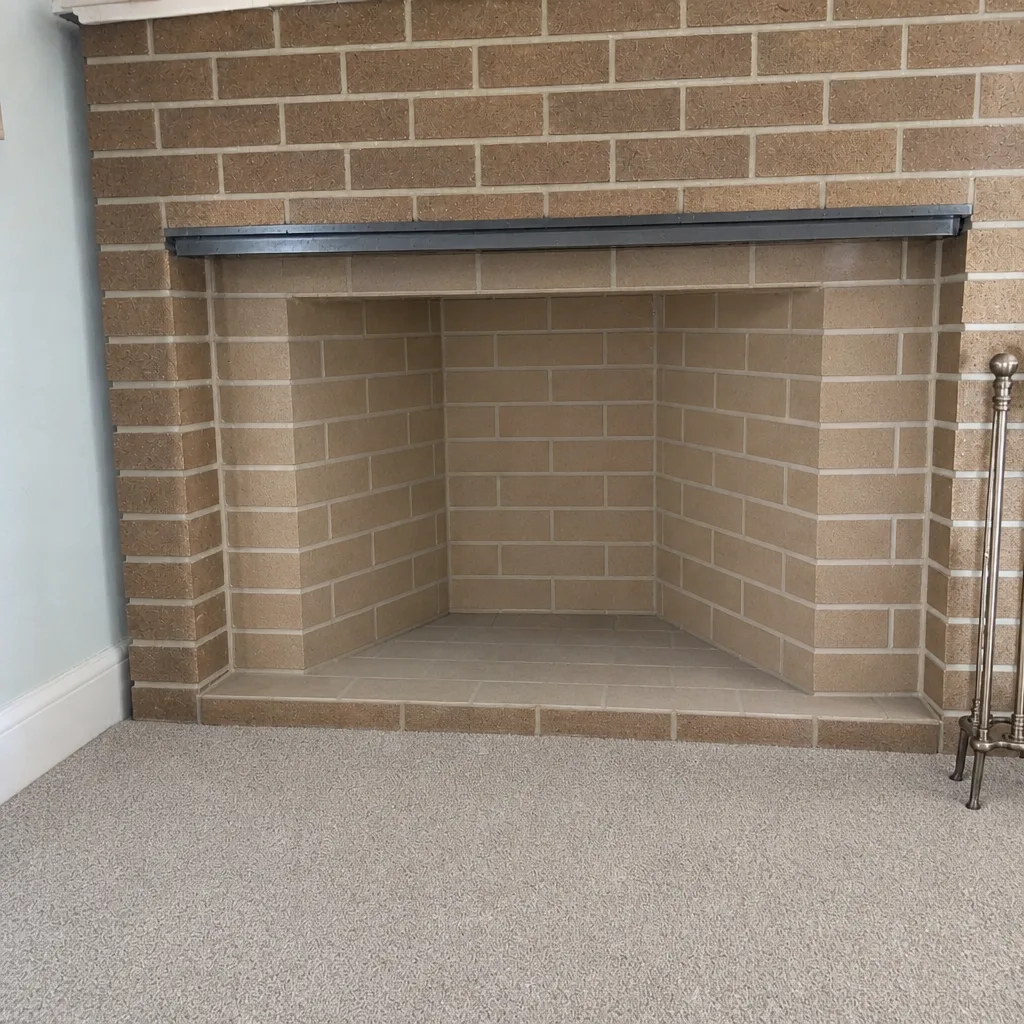
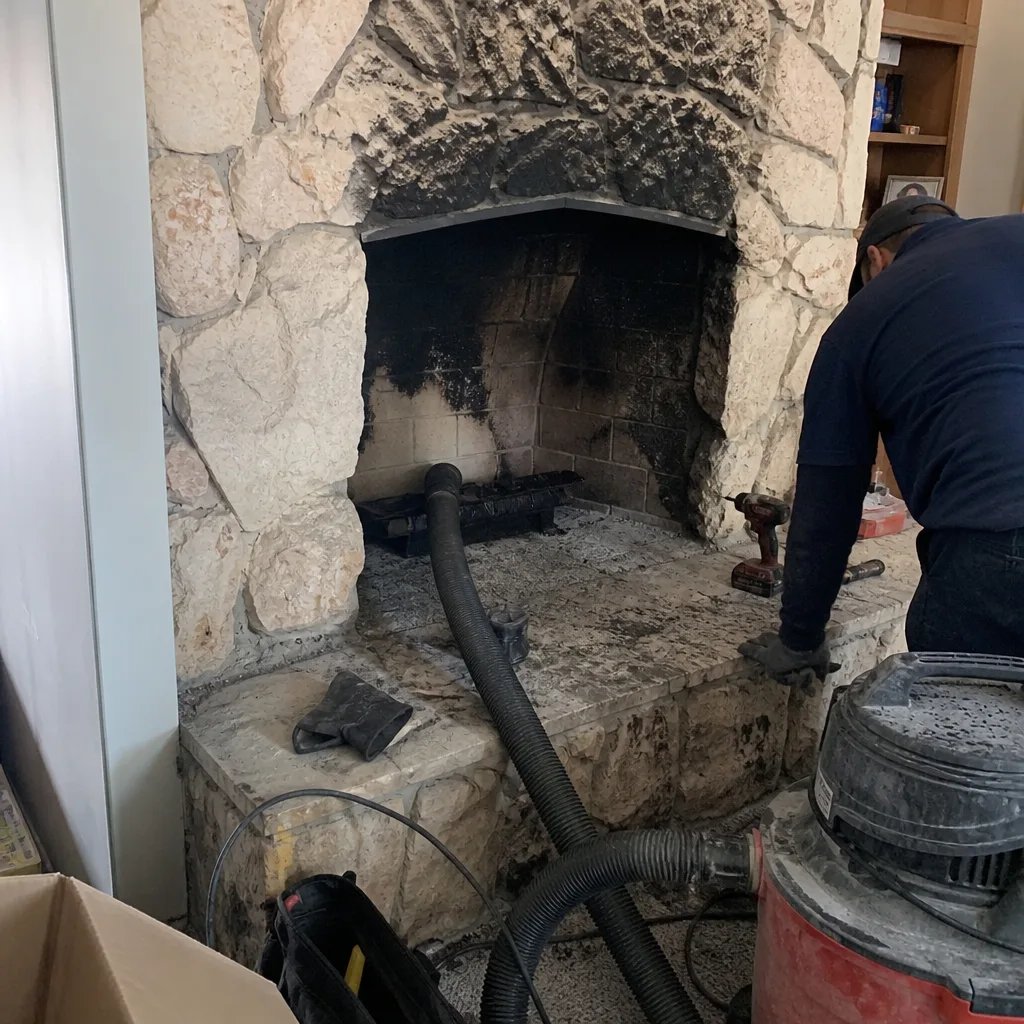
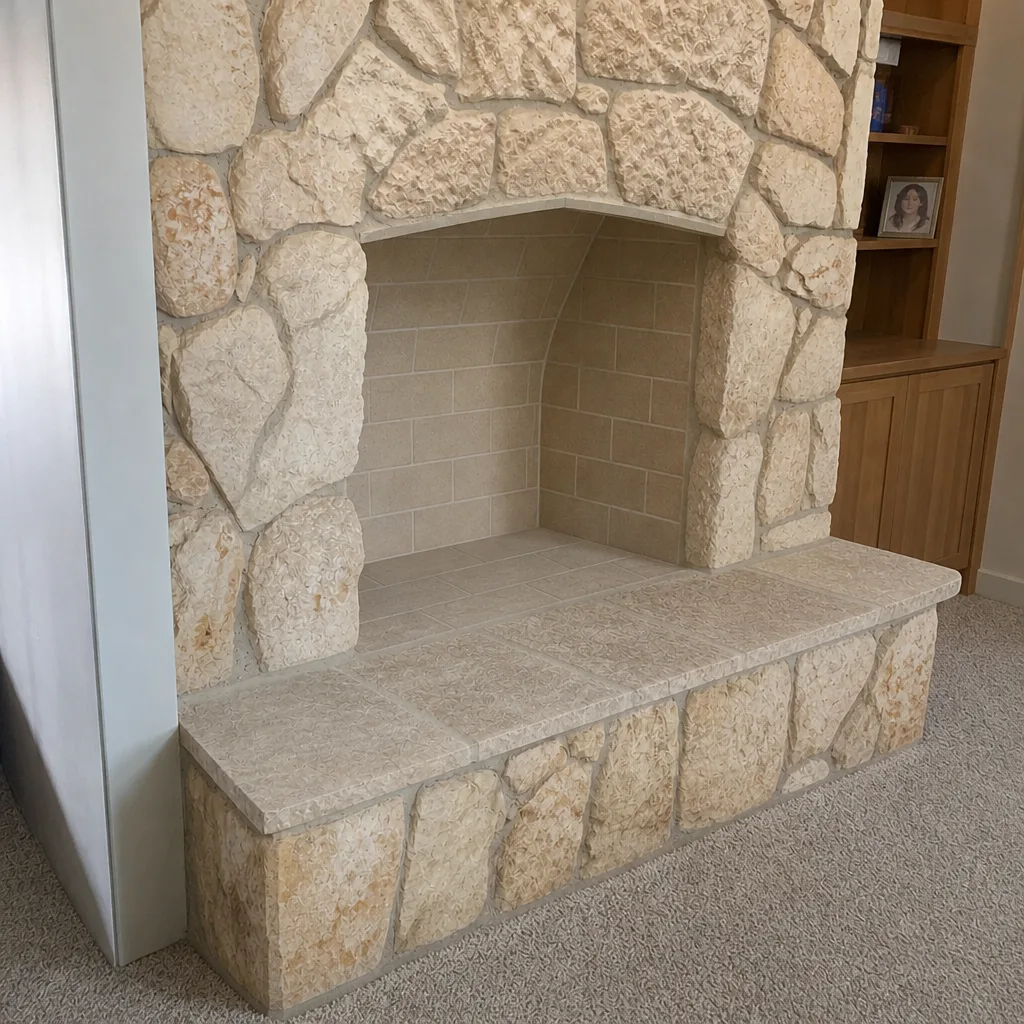
See the difference
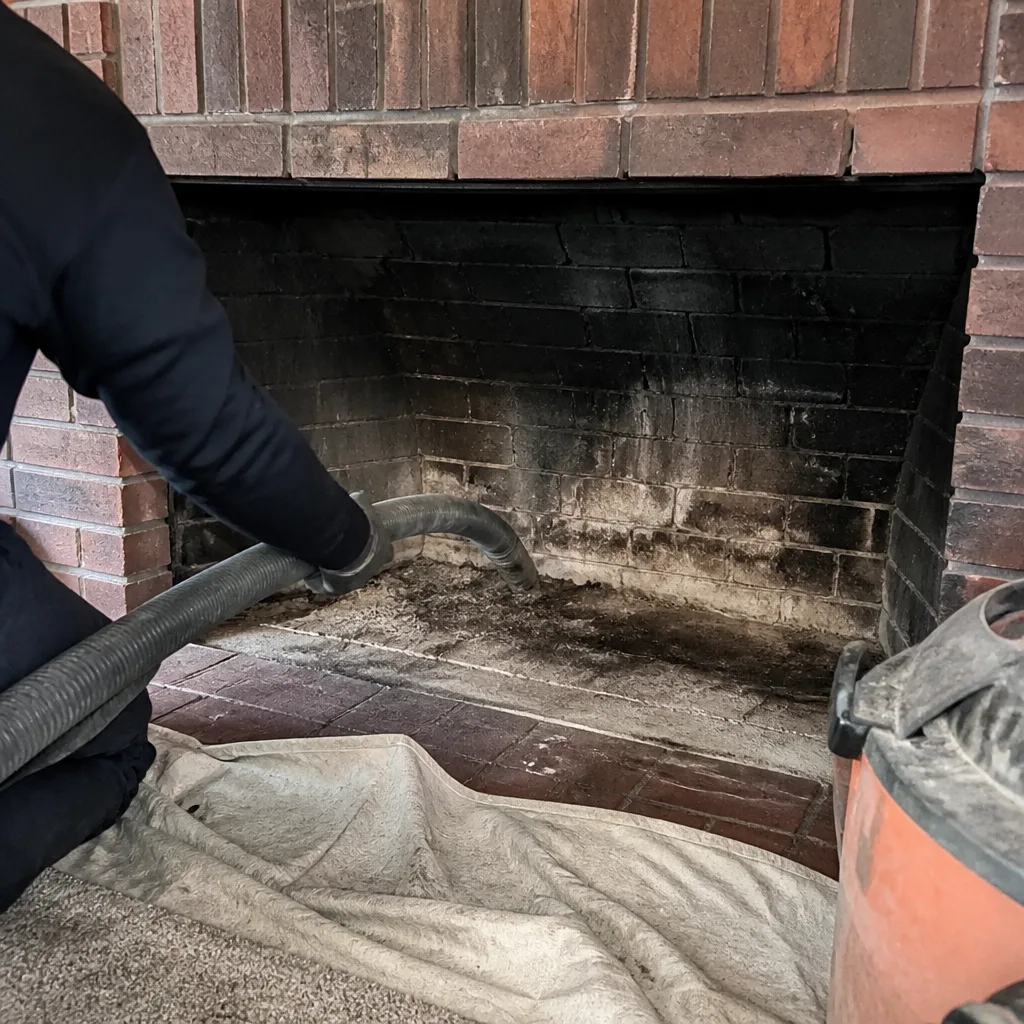 Before
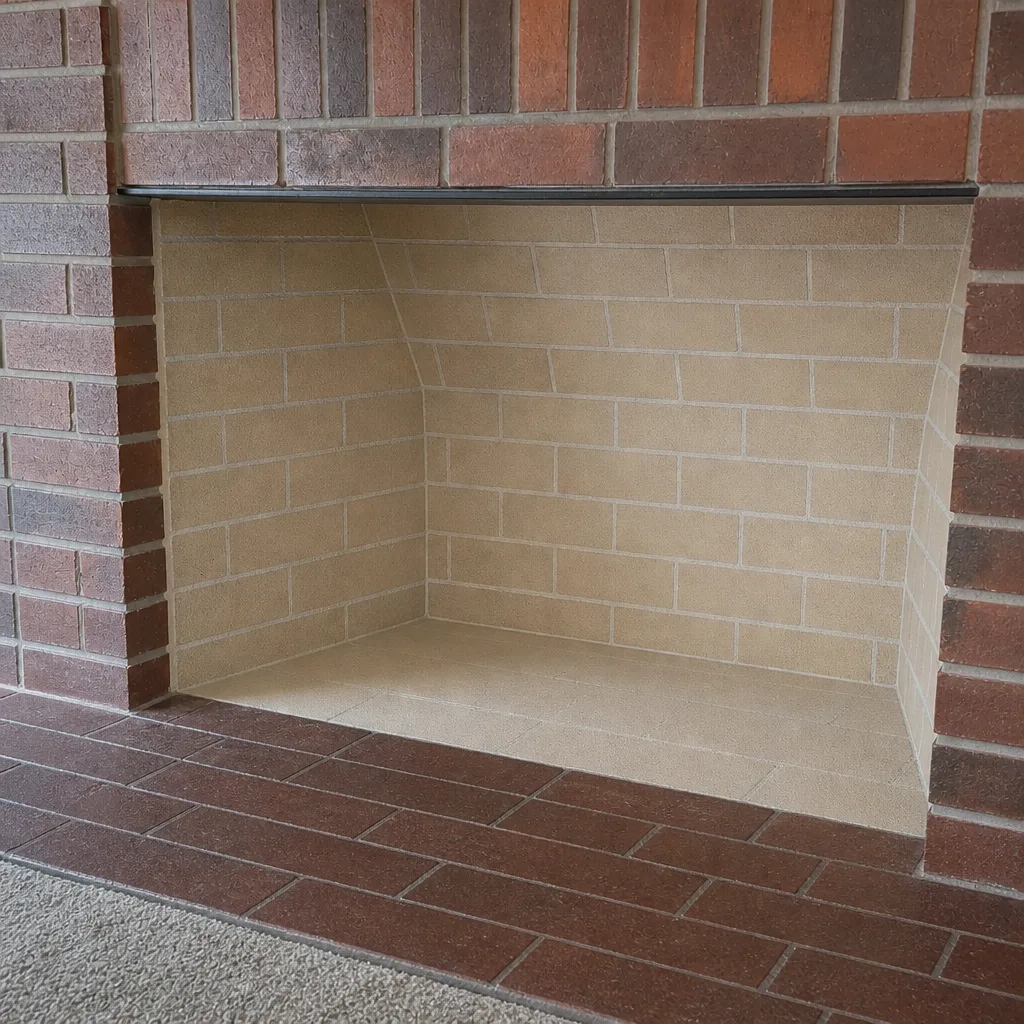 After
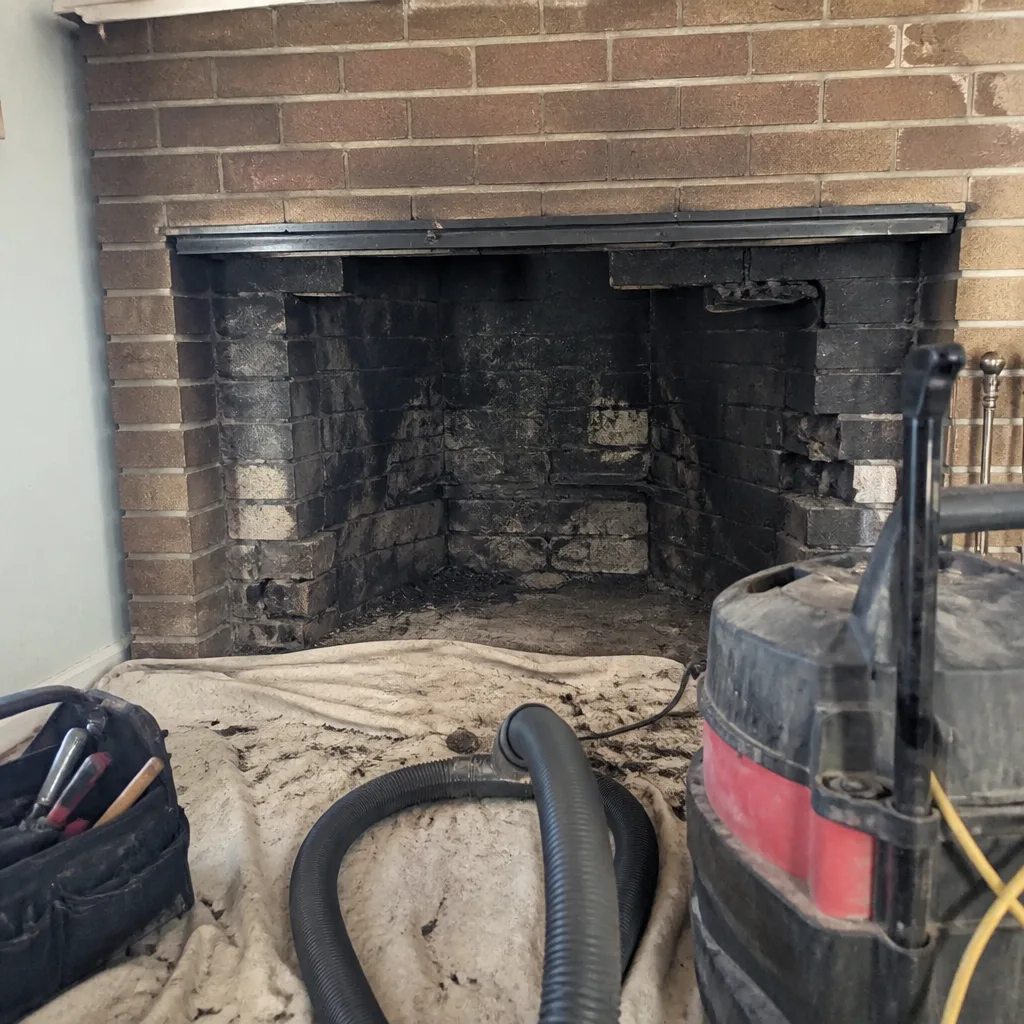 Before
 After
 Before
 After
When to Call a Professional
Call a professional chimney technician when it’s been more than a year since your last sweep, when you’ve noticed any red-line condition from the list above, or when you’re buying a home in West Valley City and want a thorough inspection before you close. Call if you’ve had a chimney fire, even if it seemed minor at the time; a chimney fire can damage the liner and leave behind glazed creosote that only a professional can address. Call if you see smoke spilling into the room, smell smoke in the house during or after a fire, or have a carbon monoxide detector alert. Call if the cap is missing or damaged, if you can see cracks in the crown from the ground, or if you’re simply unsure whether what you’re seeing is serious. That last one is reason enough; we’d rather answer a question that turned out to be nothing than miss a defect that mattered. Blackwell Chimney Sweep offers free estimates in West Valley City. Call (855) 629-7505. We answer 24/7. Fast dispatch from 7am to 7pm, Sunday through Friday.
Frequently Asked Questions
A chimney in West Valley City should be swept once a year if you burn wood regularly, and more often if you burn a lot of softwood or unseasoned wood. The annual sweep is also the practical moment for your inspection, and booking it before the heating season gives you time to complete any repairs the inspection finds. If you’ve missed a year or two, don’t wait for the next cycle. Call (855) 629-7505 for an exact quote; estimates are free.
Most chimney work is priced per job by a written estimate, and the estimate is free. We give you the price in writing before any work is booked so you know exactly what you’re paying for the sweep, the inspection, and any repair the inspection recommends. Call (855) 629-7505 for an exact quote on your chimney.
The smoke chamber is the tapering space above the damper that funnels smoke from the firebox into the flue. It matters because it’s the one area most homeowners never see check, and its condition has a direct bearing on carbon monoxide safety and draft. A deteriorated smoke chamber can let gases move where they shouldn’t, and our technicians use camera inspection and HeatShield ceramic resurfacing to evaluate and repair it. Call (855) 629-7505 to schedule an inspection.
You can safely do several homeowner-level checks: the firebox interior, the cap and crown from the ground with binoculars, and draft behavior when you light a fire. Genuine chimney maintenance, meaning sweeping, inspection, and repair, requires a trained technician. Climbing a roof, opening components, or working inside the flue carries real physical risk, and the important defects are found with professional camera equipment. Call (855) 629-7505 for a professional visit.
Signs that a chimney needs repair include cracked or broken firebrick, crumbling mortar in the firebox or smoke chamber, a damaged or missing flue liner, a cracked crown, and visible gaps at the flashing. Each of these is a repair that sweeping alone won’t solve. We’ll tell you what we found and what it means, then give you a written estimate. Call (855) 629-7505 for a free estimate.
A cracked chimney crown matters because Utah’s freeze-thaw cycles make a small crack grow each winter. Water gets into the crack, freezes overnight, expands, and widens it. Left unattended, a cracked crown sends water into the masonry below, and the repair becomes much larger. A crown repair or rebuild before the heating season is the cheaper path. Call (855) 629-7505 to schedule an inspection before the next freeze.
The Bottom Line
A chimney maintenance checklist worth following is organized around where chimneys actually fail, not around a generic list. That means annual sweeping and inspection, a real look at the smoke chamber and smoke shelf, cap, crown, and flashing checks that account for Utah’s UV intensity and freeze-thaw cycles, and simple year-over-year documentation that makes progression damage visible. It means knowing the red-line thresholds that tell you to stop using the fireplace immediately. And it means having a chimney specialist who can sweep, inspect, and repair in one visit, with the right materials for the job. Our technicians have up to 14 years of experience and are ready to give you a clear picture of your chimney’s condition. Call (855) 629-7505 for a free estimate. We answer 24/7. Fast dispatch from 7am to 7pm, Sunday through Friday, and we’re closed on Saturday. Whether you’re in a home near the valley floor or up a slope in West Valley City, whether you need a routine chimney sweep or a full chimney repair, we can help you get it right.
Written by the team at Blackwell Chimney Sweep.