
Last updated November 16, 2026
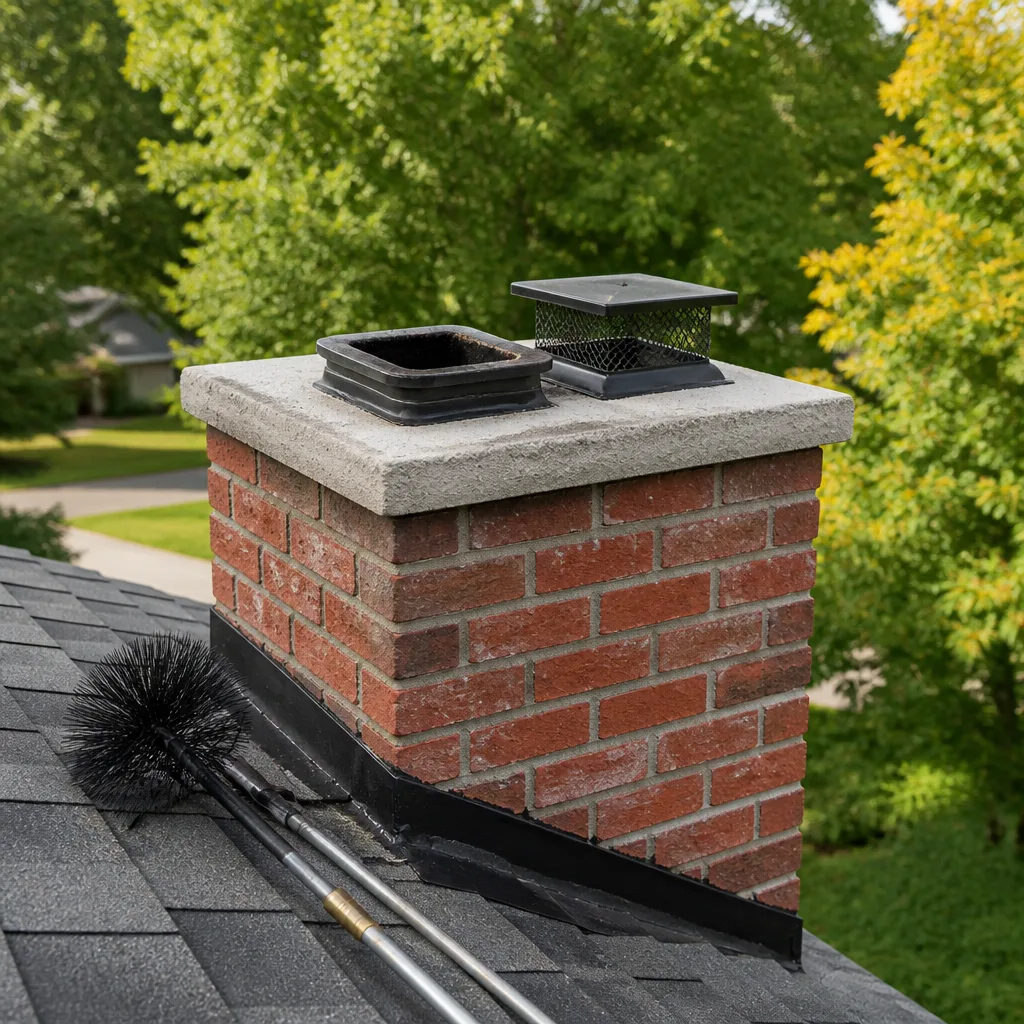 Sweep & inspection
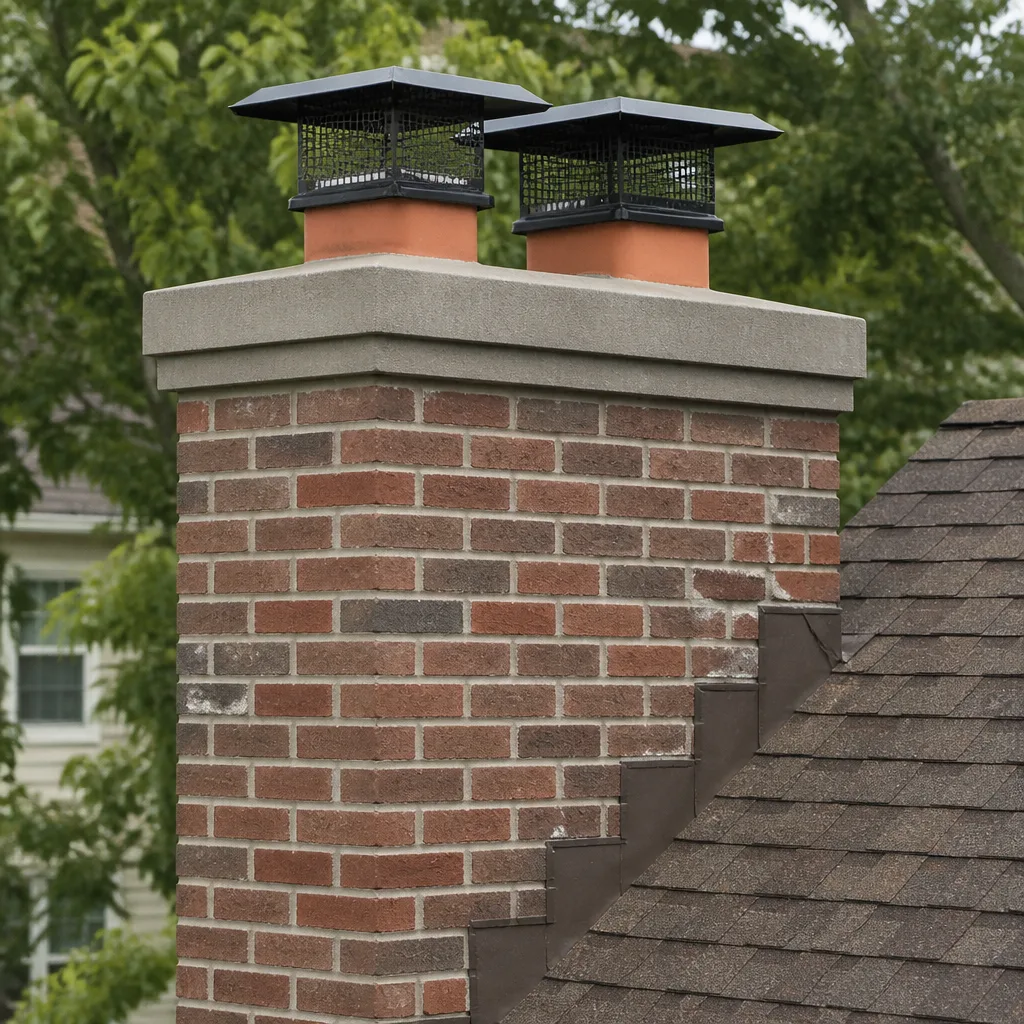 Caps & crowns
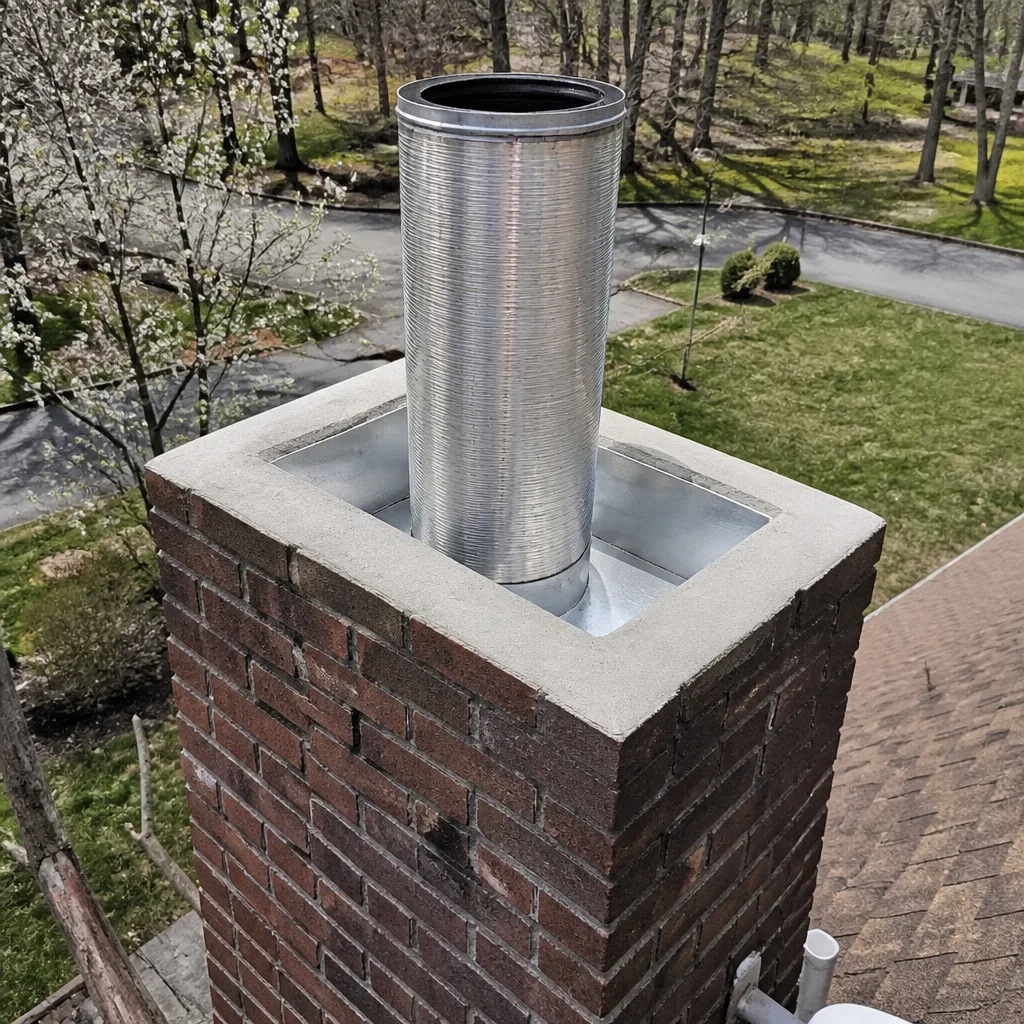 Flue relining
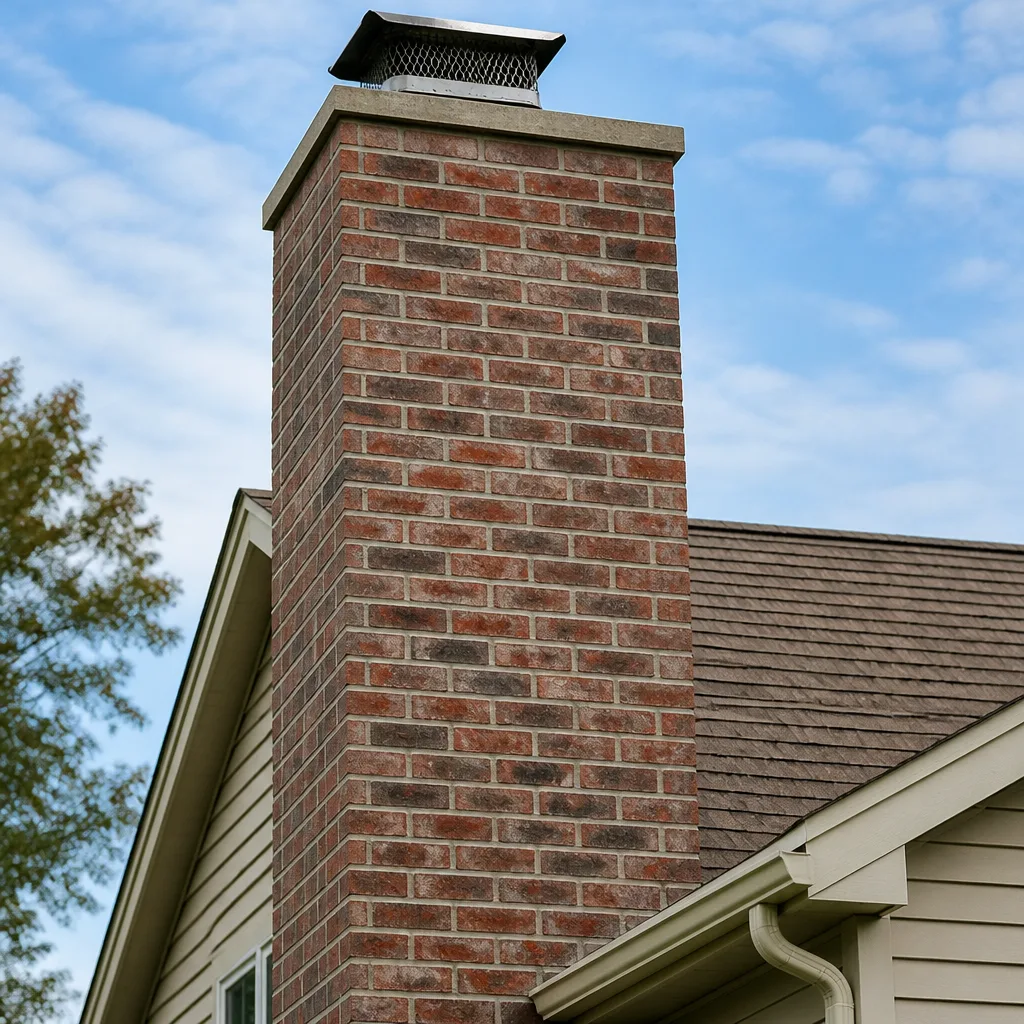 Masonry repair
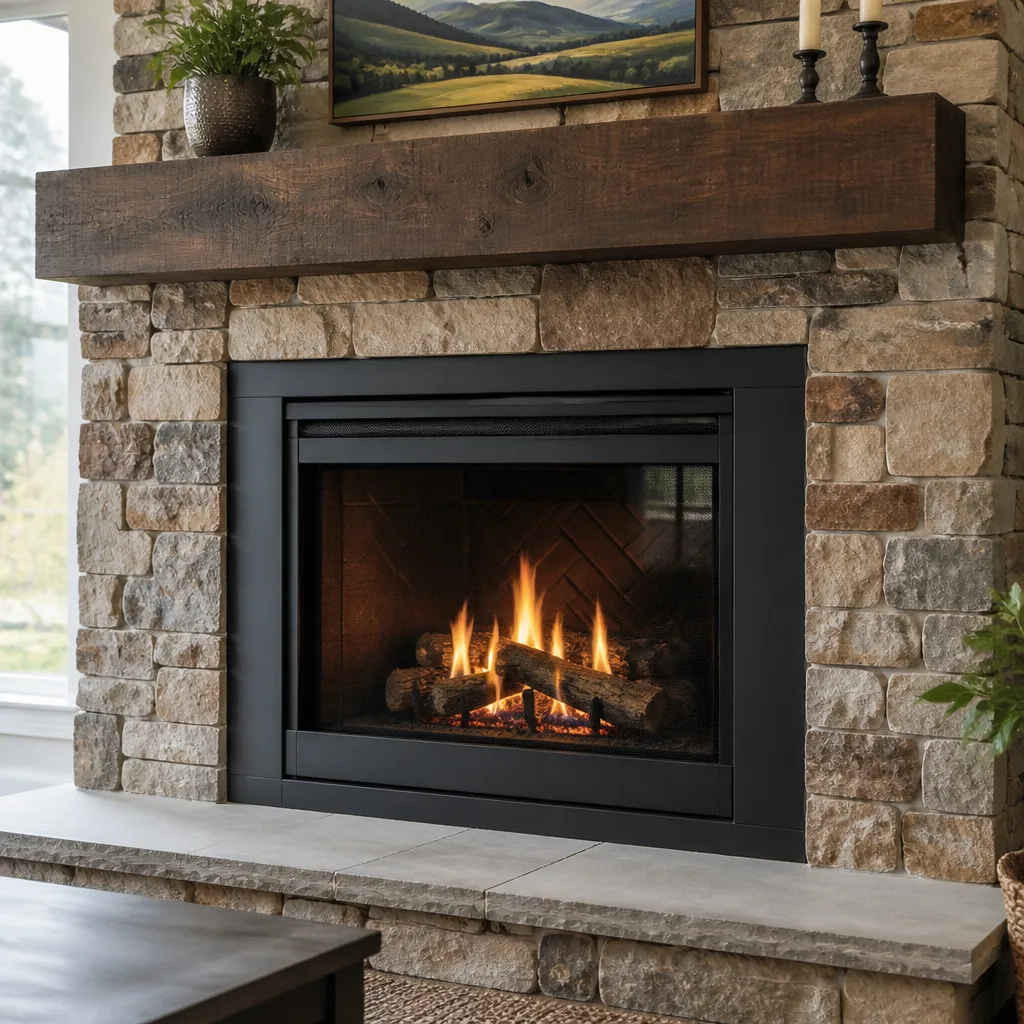 Gas fireplace service
Level 1 sweep and inspection to the NFPA 211 annual standard - flue, crown, cap, and flashing checked and photographed
Chimney sweep logs do not sweep chimneys. They loosen some creosote - which then falls where a brush and vacuum still have to collect it.
Chimney Cleaning Emergency Preparedness Guide for West Valley City Homes
Most homeowners treat the fireplace as decoration until the night the power fails. Then it becomes the furnace, the stove, and the only warm room in the house all at once, and nobody has checked whether it’s actually ready for that job. A flue that vents a pleasant evening fire once a week behaves differently under sustained use, and the weak points show up fast: a partially blocked flue, a damper that won’t seal, a cap that’s been loose since spring. This guide covers what to verify before the season, how to burn safely when the fireplace is carrying the load, how to recognize a chimney fire, how to manage carbon monoxide risk, and why a chimney that survived a hard winter still needs a closer look before normal use resumes. Everything here is written for West Valley City homes and the specific way winter hits the valley.
Quick Answer
An emergency-ready chimney is one that has been professionally swept and inspected before heating season, has an intact cap and a working damper, and sits in a home with functioning carbon monoxide detectors on every level. If you plan to rely on your fireplace during a winter power outage in West Valley City, book the sweep and inspection first, confirm the flue is clear and the liner is sound, and stock dry seasoned wood before the first hard freeze. Preparing a fireplace for emergency use is a before-the-season job, not a during-the-outage job.
Styles & brands we work with
- Sweep & inspection
- Caps & crowns
- Flue relining
- Masonry repair
- Gas fireplace service
Table of Contents
- The Pre-Season Emergency Checklist
- Safe Extended-Use Practices: Burn Times, Wood, and Draft
- What a Chimney Fire Sounds and Feels Like
- Carbon Monoxide Risk During Extended Fireplace Use
- Post-Emergency Inspection: Why Surviving Hard Use Isn’t the Same as Being Safe
- Why West Valley City Winters Put Extra Load on a Chimney
- What a Professional Sweep and Inspection Actually Covers
- Common Mistakes to Avoid
The Pre-Season Emergency Checklist
The right time to find out your chimney can’t handle sustained use is September, not the night the grid goes down. In our experience, the failures that matter during an outage are the ones you can catch weeks earlier with a flashlight, a ladder-free look, and one scheduled visit from a professional. Here’s what to verify before heating season.
- Schedule the sweep and inspection. A professional sweep removes creosote and soot from the flue; the inspection that comes with it tells you whether the liner, cap, damper, and firebox are sound. Do this before the first burn of the season, not after.
- Check the chimney cap. A cap that’s loose, dented, or missing lets rain, snow, and animals into the flue. A blocked flue is the single most common reason a fireplace smokes back into the room. We install and service caps from Gelco and Famco because they hold up under freeze-thaw cycles.
- Confirm the damper opens and closes fully. A damper that sticks open wastes heat up the flue all winter; one that won’t open properly chokes the fire and pushes smoke into the room. Work it by hand before the season starts.
- Look for water staining and rust inside the firebox. Both point to a leak higher up, and a leak that’s been running since spring can mean deteriorated liner material.
- Stock dry, seasoned firewood. Wood that’s been split, stacked, and covered for at least a full season burns hotter and cleaner than green wood. Wet wood is the fastest way to build creosote fast.
- Test your carbon monoxide detectors. Press the test button on every unit and replace the batteries if you can’t remember the last time you did.
- Keep a fire extinguisher within reach of the hearth and make sure everyone in the house knows where it is.
If anything on this list turns up a problem, that’s exactly what the pre-season visit is for. Sweep. Inspect. Repair. All in one visit is how we prefer to work, because a homeowner shouldn’t have to chase down a second contractor to finish what a cleaning started.
Safe Extended-Use Practices: Burn Times, Wood, and Draft
Burning a fire for an evening and burning one for 36 hours straight are different jobs. When the fireplace is your heat source during an outage, the goal shifts from ambiance to steady, controlled burn with a clean flue. Here’s how that looks in practice.
Wood selection
Hardwoods like oak, maple, and birch burn longer and hotter than softwoods, which makes them the better choice for sustained heat. Dry, seasoned wood has a moisture content low enough that it burns with visible flame and little smoke; wood that hisses or sizzles is wet, and wet wood sends more unburned material up the flue where it condenses as creosote. Keep your wood stacked off the ground and covered on top so snow doesn’t soak it.
Burn times and loading
Load the firebox in stages rather than cramming it full at once. A small, hot fire established first warms the flue and gets the draft moving, and larger pieces go on once the fire is burning cleanly. For overnight heat, load larger splits toward the back and let them burn down slowly; don’t smother the fire by closing the air control all the way, because a smoldering fire produces far more creosote than a hot one.
Draft management
Draft is the engine of the whole system. A cold flue can be slow to start, so warming it with a small kindling fire first helps. Once the fire is going, don’t open the damper more than you need; a wide-open damper sends heat up the chimney instead of into the room. If smoke rolls into the room when you open the door, the draft is weak, and that’s a sign of a partial blockage or an undersized flue, not something to work around. In West Valley City, the cold, dense air of a January night actually helps draft, but a flue with buildup will still choke.
Regular chimney sweep service keeps that draft path clear, and it’s the single most effective thing you can do to make a fireplace reliable under load.
What a Chimney Fire Sounds and Feels Like
Chimney fires aren’t always dramatic. Many are slow, quiet, and burn themselves out before anyone realizes what happened, which is exactly why the damage often goes unnoticed. Knowing the signs matters, because the response window is short.
The signs
- Sound: a low roaring or rumbling that sounds like a distant train or a jet passing overhead, often louder than the fire itself should be.
- Sight: flames or sparks visible at the top of the chimney, thick black smoke, or a sudden change in the color of smoke coming from the stack.
- Smell: a hot, acrid, tarry smell inside the house, or smoke backing into the room.
- Feel: the chimney breast or the wall around the flue becoming hot to the touch.
What to do if you suspect one
- Get everyone out of the house and call the fire department. Don’t wait to confirm it; let them make that call.
- Close the glass doors on the fireplace if you have them, and close the damper only after you are out of the room, since cutting off air can help smother the fire but you should not stay to manage it.
- Don’t try to put water on a chimney fire from inside the firebox.
- Once the fire department has cleared the scene, don’t use the chimney again until it’s been inspected and repaired by a professional.
The reason this matters in West Valley City is the same reason it matters anywhere: creosote is the fuel, and a chimney that’s been burning hard for days builds it faster. A proper chimney repair plan after any suspected fire starts with a full inspection of the liner, because a chimney fire can crack a liner without leaving obvious signs from the firebox.
Carbon Monoxide Risk During Extended Fireplace Use
Carbon monoxide is the risk most homeowners underestimate when a fireplace becomes the primary heat source. CO is colorless and odorless, and it builds up when a flue is blocked, a liner is compromised, or a fire is burning in a poorly ventilated space. The good news is that a couple of simple habits make a big difference.
Detector placement
Install a carbon monoxide detector on every level of the home, and one outside each sleeping area. Place units at least a few feet from the fireplace itself so the normal small amounts from lighting a fire don’t trigger false alarms, but close enough to catch a real problem. Test them at the start of every heating season.
Ventilation
Never run a fireplace in a tightly sealed room without some source of fresh air. Modern homes are well insulated, and a fire draws air from the room; if that air is sealed in, the fire can backdraft and pull combustion gases into the house. Cracking a window slightly in the room with the fireplace during extended use is a simple safeguard.
Symptoms to recognize
Headache, dizziness, nausea, confusion, and unusual drowsiness in more than one person in the house at the same time are the classic signs. If you notice these, get everyone outside and call for help. Don’t try to ventilate and stay.
If you’re unsure whether your home is venting safely, a professional inspection is the answer. A Blackwell Chimney Sweep inspection checks the flue and liner for exactly these failure points, and we’ll tell you what we found and what it means.
Post-Emergency Inspection: Why Surviving Hard Use Isn’t the Same as Being Safe
A chimney that made it through an extended outage without a visible problem is not necessarily in good shape. Sustained, high-output burning stresses the parts that a normal winter’s evening fires never stress as hard: the liner, the mortar joints, the cap, and the firebox. A professional inspection after hard use is how you confirm the system still has margin before you go back to relying on it.
Here’s what a post-emergency inspection looks for:
- Liner integrity. Cracks, spalling, or gaps in the liner that weren’t there before the heavy burn season.
- Creosote level. A season of hard use can push creosote buildup past the level that’s safe to leave.
- Cap and crown condition. Freeze-thaw cycles through a valley winter can crack a crown or loosen a cap.
- Mortar joints and firebox. Heat stress can open joints and crack firebrick, both of which need repair before the next fire.
- Damper function. A damper that’s been worked hard all season can warp or stick.
When we find a problem, the repair is matched to the issue. For a liner with cracks or deterioration that sweeping alone won’t solve, we use HeatShield ceramic resurfacing, a specialist-tier solution that restores the liner rather than replacing it in many cases. When a full liner replacement is the right call, we’re authorized to install and work with DuraFlex flexible liner systems, and we source materials through Olympia Chimney and Copperfield because that’s what professionals specify, not what happens to be on the shelf. We’ll tell you what we found and what it means, and if a repair can safely wait, we’ll say so.
Why West Valley City Winters Put Extra Load on a Chimney
West Valley City sits in the Salt Lake Valley, where winter air often settles under an inversion for days at a time. That has a real effect on how a chimney behaves. When a high-pressure ridge traps cold air near the ground, smoke and combustion byproducts don’t disperse as readily, and a chimney with a marginal draft can struggle to vent. Extended fireplace use during an inversion is when weak draft becomes obvious.
The other local factor is the freeze-thaw cycle. Daytime sun warms the chimney’s exterior while overnight temperatures drop below freezing, and that cycling works on mortar joints, crowns, and caps. A cap that’s fine in July can be loose by January, and a crown that has a hairline crack in summer can open up into a leak by winter. That’s why we check caps and crowns on every inspection, not just the flue.
Homes in West Valley City range from older neighborhoods near the center of the city to newer construction out toward the west side, and the chimney designs vary accordingly. Older masonry chimneys tend to need more frequent inspection for mortar and liner issues; newer homes with factory-built systems have their own maintenance needs. Either way, the answer to “is my chimney ready for a hard winter?” is a professional sweep and inspection, not a guess. If you’re in West Valley City homeowners can book that visit with us and get a straight assessment of what they’re working with.
What a Professional Sweep and Inspection Actually Covers
A chimney sweep is not just a brush on a rod. A proper visit covers three areas, and the inspection that comes with it is what turns a cleaning into real information about your system’s condition.
- The firebox and damper. We check for cracks in the firebrick, gaps in the mortar, and a damper that seals properly.
- The smoke chamber and flue. We remove creosote and soot, then inspect the liner for cracks, gaps, and deterioration.
- The cap and crown. We look for a loose or missing cap, a cracked crown, and signs of water intrusion.
- The exterior. We check the chimney’s exterior for spalling brick, deteriorated mortar, and anything that could let water in.
Our technicians have up to 14 years of experience, and chimney work is all we do; we’re not a multi-trade company where the chimney is an afterthought. That focus is why we keep an intentional roster of professional-grade brands: DuraFlex for liner systems, HeatShield for resurfacing, Gelco and Famco for caps and ventilation components, and Olympia Chimney and Copperfield for the supply side. The right materials for the repair, not just what’s on the truck, is the standard we hold ourselves to.
If you’re preparing for winter in West Valley City, the visit is the preparation. Book the sweep and inspection before heating season, and you’ll know exactly where your chimney stands.
Common Mistakes to Avoid
- Waiting until the night of the outage to check the chimney. The worst time to discover a blocked flue is when it’s your only heat source. Sweep and inspect before the season starts.
- Burning wet or green wood during extended use. Wet wood produces more creosote and less heat, which is the opposite of what you need when the fireplace is carrying the load.
- Closing the air control all the way overnight. A smoldering fire builds creosote fast. Keep some air moving and let larger splits burn down slowly.
- Skipping the post-season inspection. A chimney that survived a hard winter without a visible problem can still have a cracked liner or a loose cap. Get it checked before normal use resumes.
- Putting off a detector test. Carbon monoxide detectors are the cheapest insurance you’ll ever buy, and they only work if the batteries are fresh.
- Assuming a quiet chimney fire did no damage. Slow chimney fires often go unnoticed and can still crack a liner. Any suspected fire needs a professional inspection before the next burn.
- Using a generalist for chimney repair. A handyman who dabbles in chimneys may not know the difference between a liner that can be resurfaced and one that needs replacement. Use a specialist who works with HeatShield and DuraFlex.
See the difference
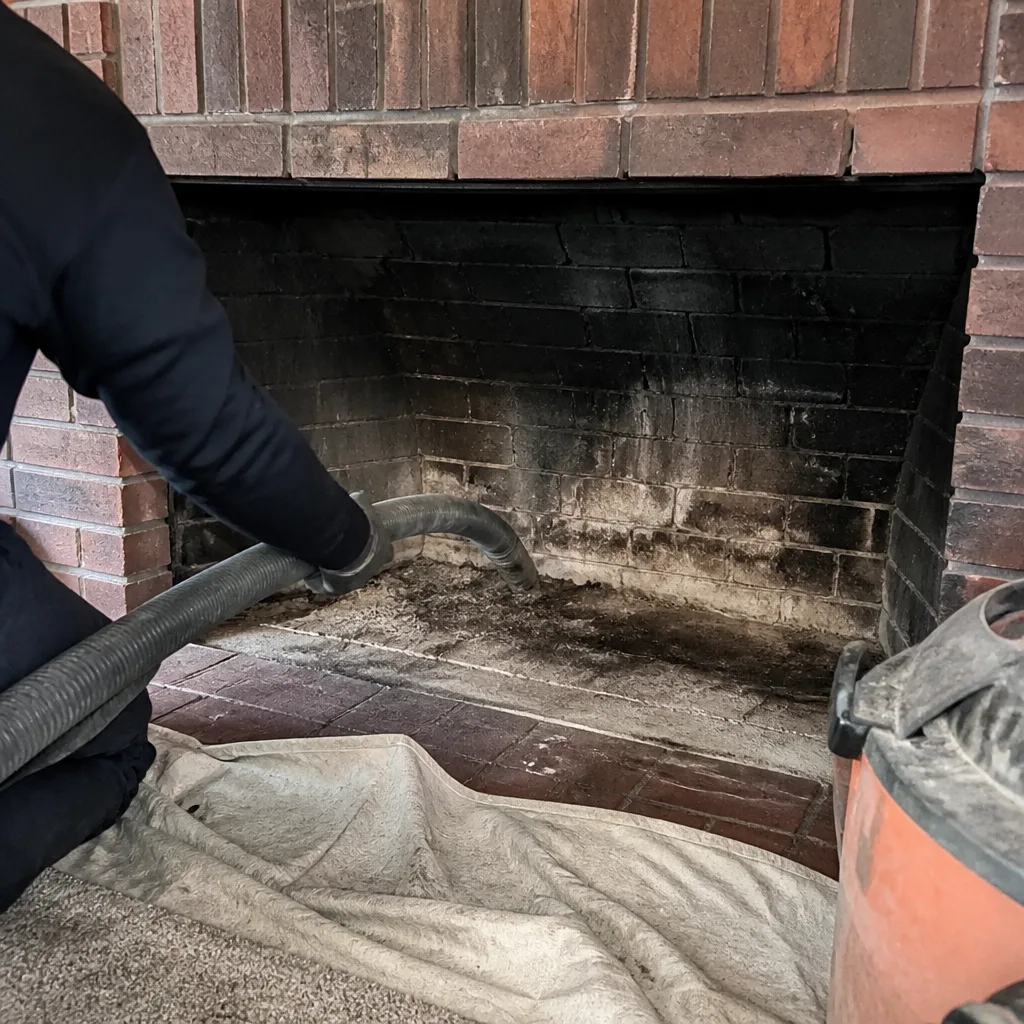 Before
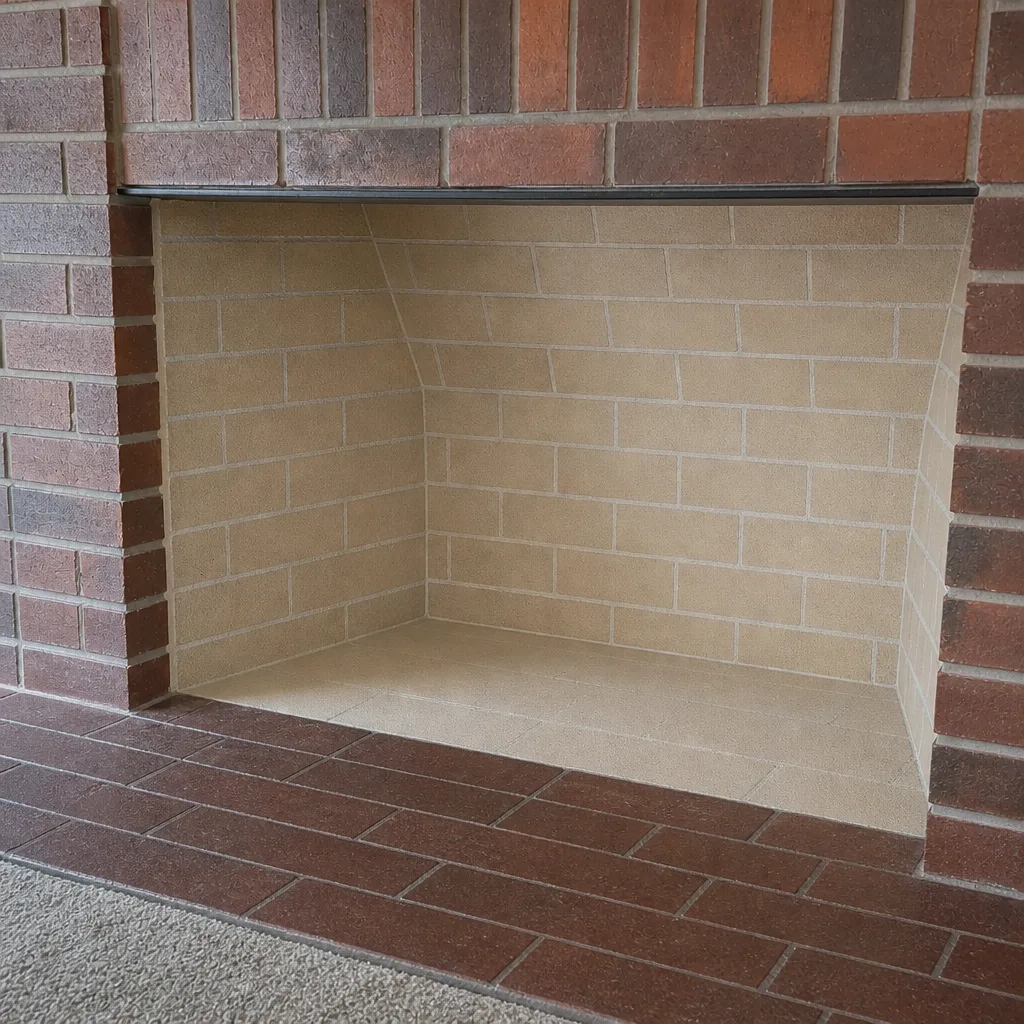 After
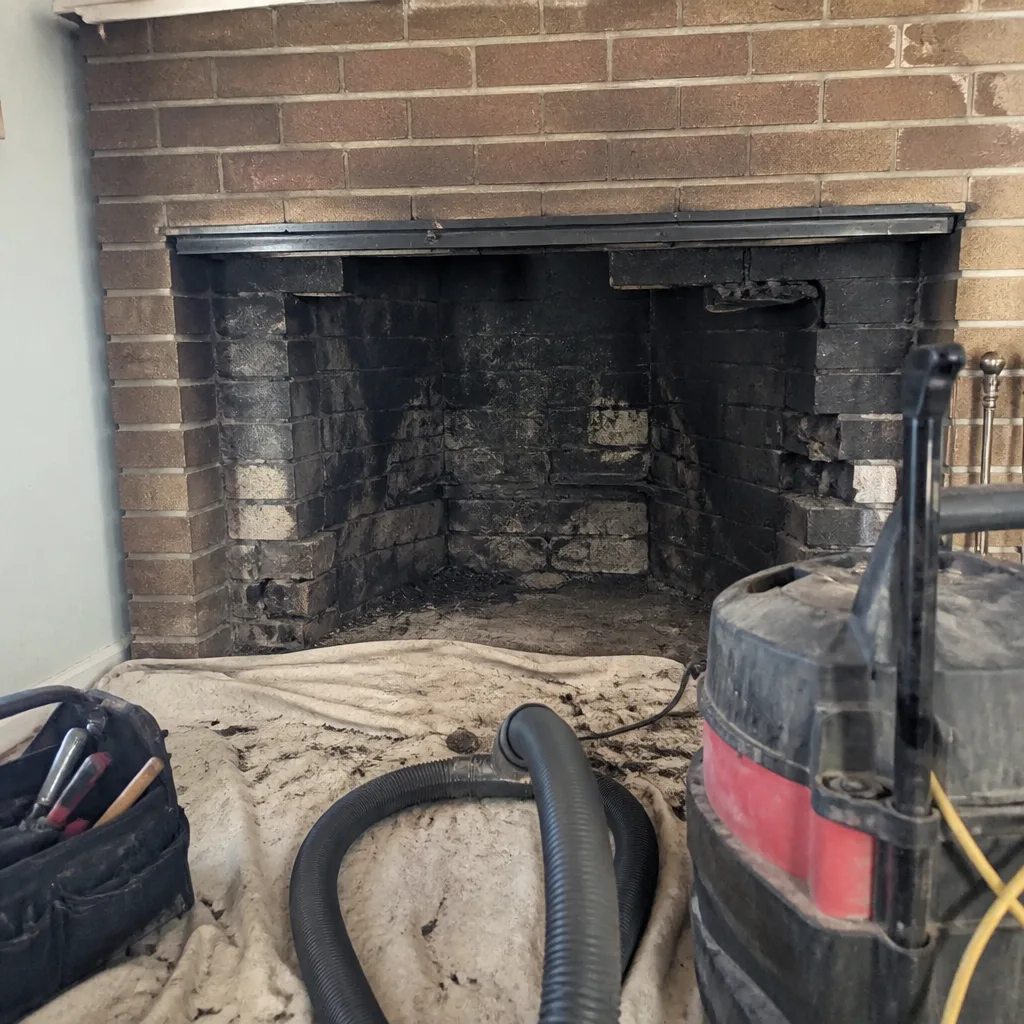 Before
 After
 Before
 After
When to Call a Professional
Some chimney issues are obvious, like smoke backing into the room. Others are invisible until an inspection finds them. Call a professional if you haven’t had your chimney swept and inspected this season, if you’ve noticed smoke rolling into the room, if you’ve had a chimney fire or suspect one, if you see water staining or rust in the firebox, or if your liner is old and you don’t know its condition. Call before you rely on the fireplace as an emergency heat source, not after. Blackwell Chimney Sweep offers free estimates in West Valley City. Call (855) 629-7505. We answer 24/7. Fast dispatch from 7am to 7pm, Sunday through Friday.
Frequently Asked Questions
A chimney should be swept at least once a year, and more often if you burn regularly or notice creosote buildup. For homes in West Valley City that use the fireplace as a primary heat source during winter, an annual pre-season sweep plus a post-season inspection is the right rhythm. Call (855) 629-7505 for an exact quote.
Check the cap, the damper, the firebox for water staining, and test your carbon monoxide detectors. Then book a professional sweep and inspection. The professional visit is what confirms the flue and liner are sound, which is the part you can’t verify with a flashlight. Call (855) 629-7505 to schedule it.
A chimney fire often sounds like a low roar or rumble, similar to a distant train or a jet passing overhead. You may also see flames or sparks at the top of the chimney, thick smoke, or smell a hot, tarry odor inside the house. If you suspect one, get everyone out and call the fire department.
It’s safe only if the chimney has been swept and inspected recently and the flue is clear. A blocked flue or a cracked liner can let carbon monoxide into the home, which is especially dangerous during an outage when the house is sealed up. If you haven’t had an inspection this season, don’t rely on the fireplace for heat. Call (855) 629-7505 before you need it.
Not every liner needs replacement. Cracks and deterioration that sweeping alone won’t solve can often be restored with HeatShield ceramic resurfacing, a specialist-tier repair solution. When a full replacement is the right call, we install DuraFlex flexible liner systems. We’ll tell you what we found and what it means, and we won’t recommend work you don’t need. Call (855) 629-7505 for a free estimate.
Creosote builds up in the flue, which increases the risk of a chimney fire, and undetected liner damage increases the risk of carbon monoxide entering the home. Skipping maintenance doesn’t cause a problem immediately, but it removes the early-warning system that catches small issues before they become expensive or dangerous. Call (855) 629-7505 to get back on schedule.
The Bottom Line
An emergency-ready chimney is built before the emergency, not during it. Get the pre-season sweep and inspection, confirm the cap and damper, stock dry wood, place and test carbon monoxide detectors, and know the signs of a chimney fire. Burn hot and controlled during extended use, and get a professional inspection after a hard winter before you go back to normal use. In West Valley City, the winter load on a chimney is real, and the preparation is worth the effort. We’re here when you’re ready: Blackwell Chimney Sweep, (855) 629-7505. We answer 24/7. Fast dispatch from 7am to 7pm, Sunday through Friday.
Written by the team at Blackwell Chimney Sweep.