
Last updated November 16, 2026
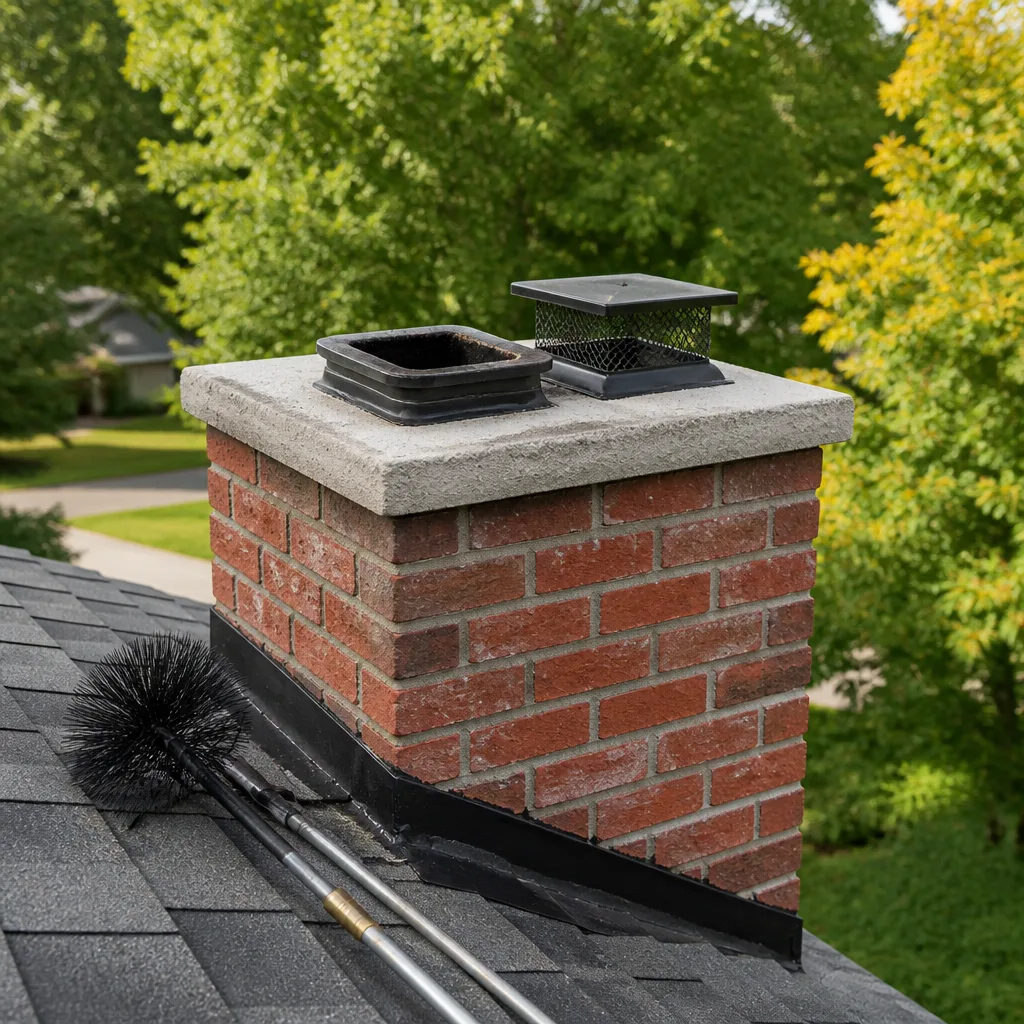 Sweep & inspection
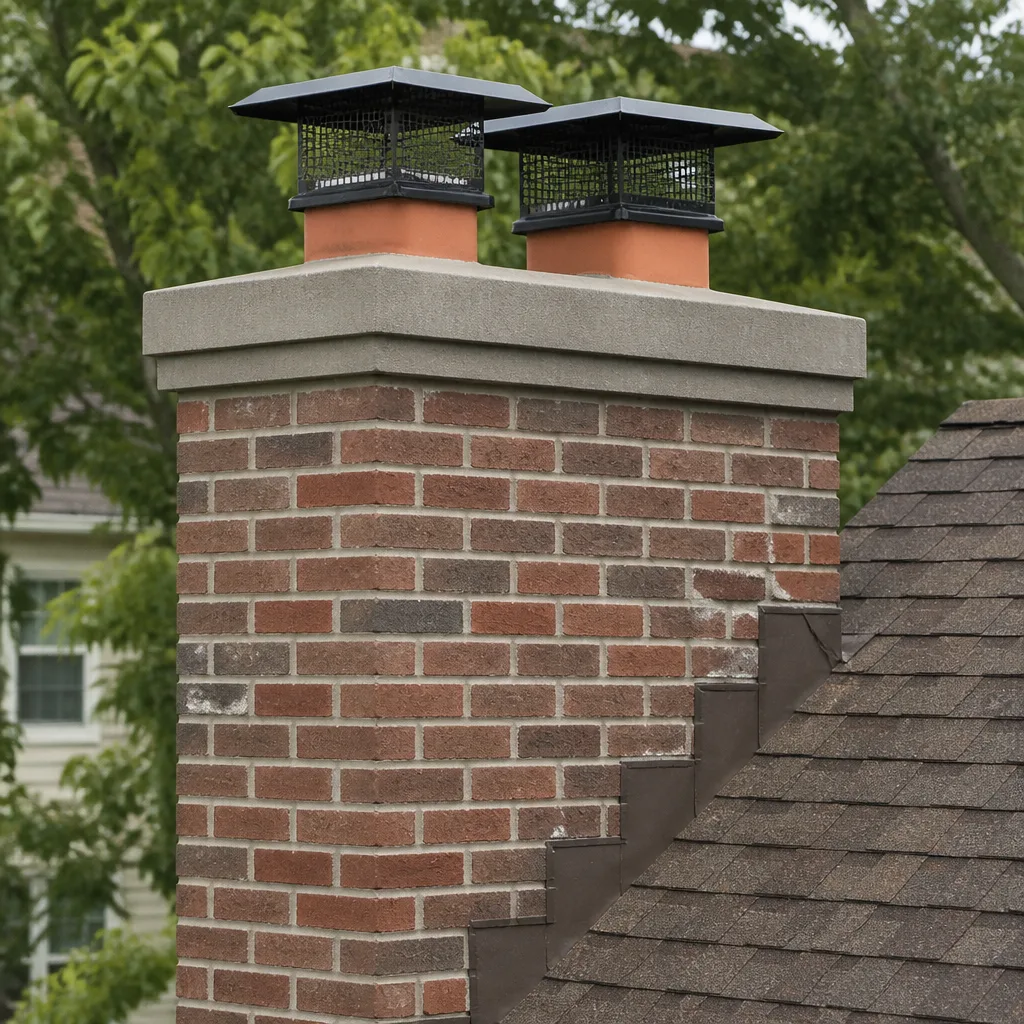 Caps & crowns
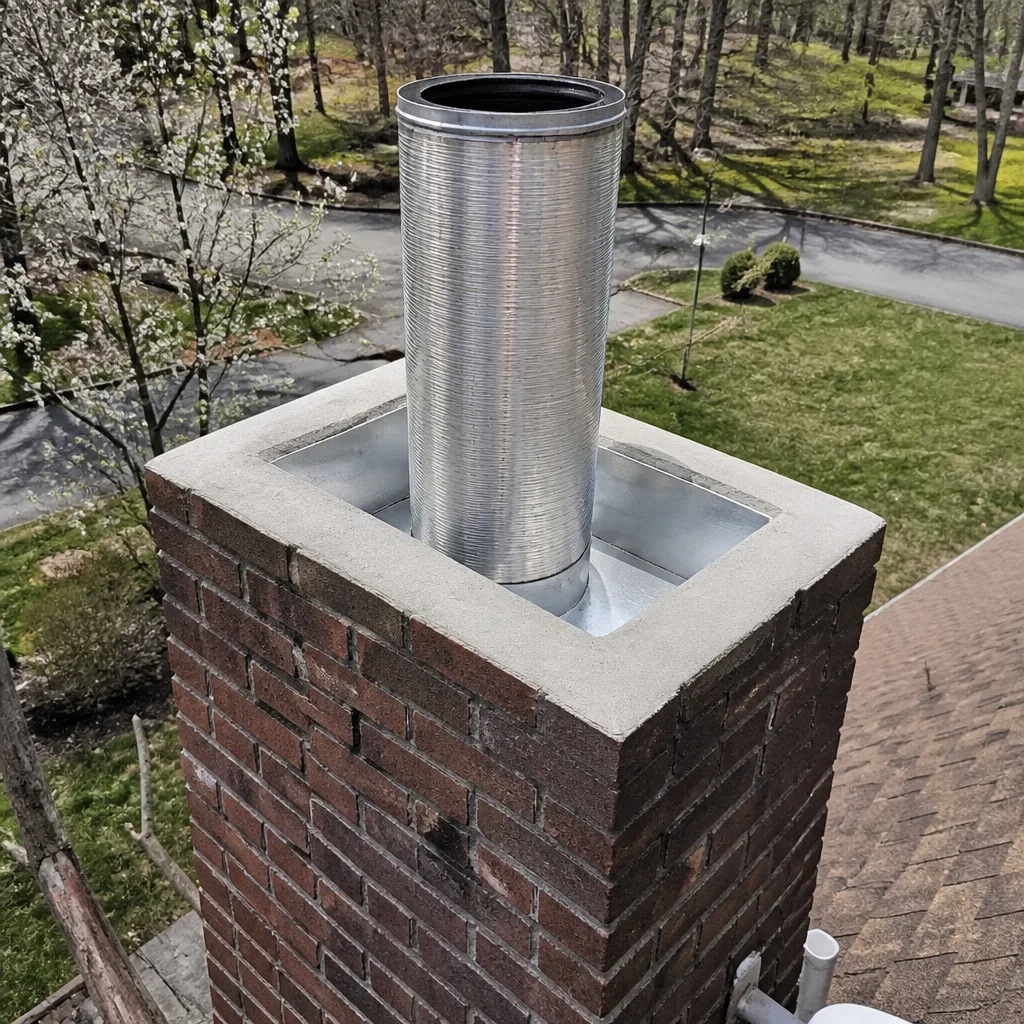 Flue relining
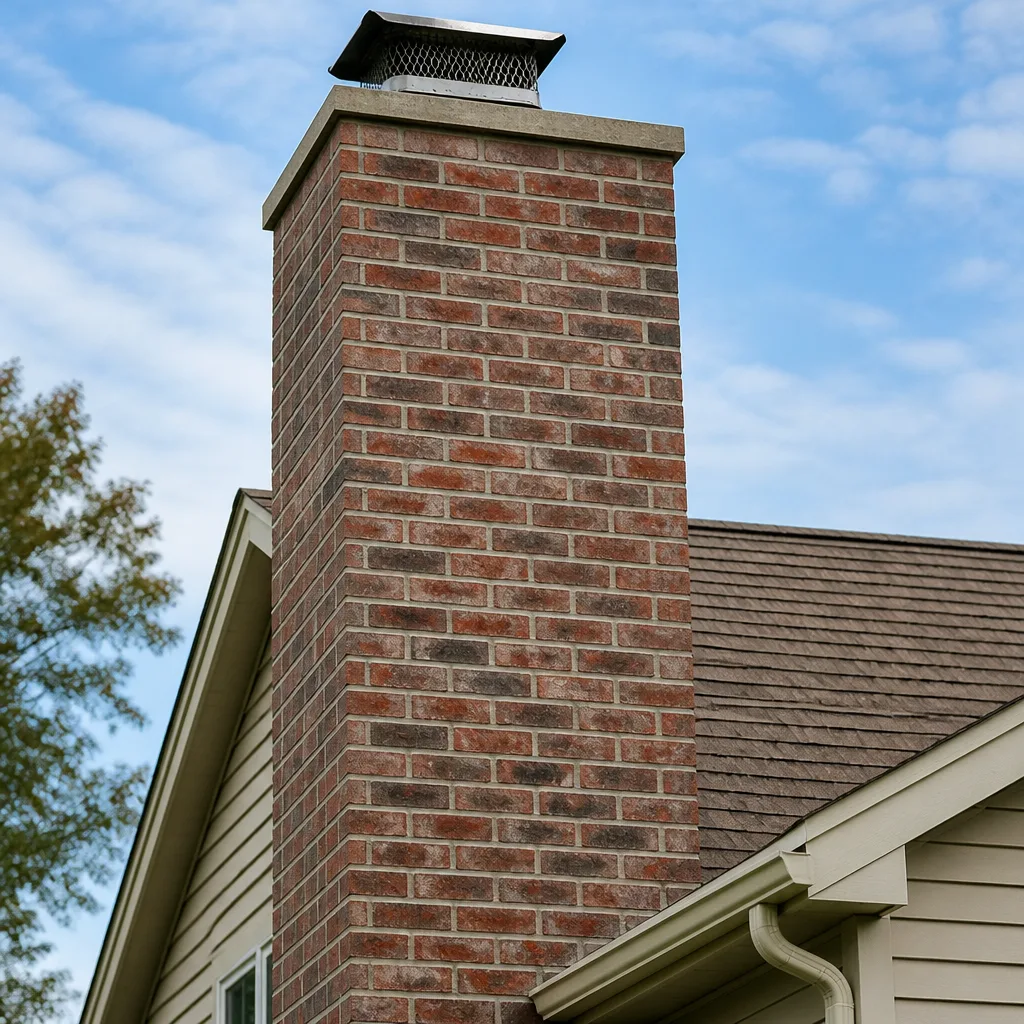 Masonry repair
 Gas fireplace service
Level 1 sweep and inspection to the NFPA 211 annual standard - flue, crown, cap, and flashing checked and photographed
Chimney sweep logs do not sweep chimneys. They loosen some creosote - which then falls where a brush and vacuum still have to collect it.
Chimney Cleaning Permits, Codes & Inspections in West Valley City, UT: What You Need to Know
Most homeowners never think to ask about a permit for chimney work. Cleaning feels routine, like changing a filter, and nobody expects paperwork to go with it. That’s the assumption that costs people. Cleaning itself doesn’t require a permit in Utah, but relining a flue, replacing a chimney, or altering the structure around it often does, and once the work is buried behind a wall you can’t prove it met code. This guide walks through when Utah code requires a permit, how West Valley City’s municipal process sits on top of the state building code, what a Level 2 inspection actually is, and how to ask the right questions before repair work begins.
Quick Answer
A routine chimney sweep in West Valley City does not require a permit; sweeping is maintenance, not construction. Repair work that changes the structure or the flue system, such as relining, rebuilding a chimney chase, or replacing components, generally does require a permit under Utah’s adopted building code and West Valley City’s local permitting process. A Level 2 inspection is the documented inspection typically required for a home sale, an insurance claim, or a change to the system, and it’s different from the basic visual check that comes with an annual cleaning.
Styles & brands we work with
- Sweep & inspection
- Caps & crowns
- Flue relining
- Masonry repair
- Gas fireplace service
Table of Contents
- Does chimney cleaning require a permit in Utah?
- How Utah’s building code treats chimney systems
- What West Valley City adds on top of state code
- What is a Level 2 inspection, and when is it required?
- Why permits protect you: warranties, insurance, resale
- The contractor’s role in pulling permits
- Why chimney code matters more here in Utah’s furnace season
Does chimney cleaning require a permit in Utah?
No. Chimney cleaning, or sweeping, does not require a permit in Utah. Sweeping is a maintenance task: a technician removes soot, creosote, and debris from a flue that’s already built and already approved. There’s no structural change, no new component, and nothing to inspect afterward in a code sense. You can have your fireplace swept as often as needed without a permit in West Valley City.
The line gets crossed when the work stops being maintenance and becomes construction. Under Utah’s adopted residential building code, the following typically require a permit before work begins:
- Relining a flue, whether with a rigid stainless liner or a flexible system like DuraFlex. This changes the vent system, so it’s a construction activity.
- Chimney rebuilds or structural repair, including masonry work on the chase and crown when it alters the structure.
- Replacing the fireplace, stove, or insert, because the appliance rating and vent sizing both change.
- Adding a fireplace or stove where none existed, which is new construction inside an existing home.
- Changing the vent termination or height, which affects draft and clearance to combustibles.
Sweeping and inspection are the two services that never trigger a permit. Everything that physically changes the vent system does. If you’re unsure which category your job falls into, that’s the right question to put to your contractor before anyone starts.
How Utah’s building code treats chimney systems
Utah adopts the International Residential Code, with state amendments, and the chimney and venting chapters of that code are specific. They cover flue sizing against the appliance input, clearance to combustibles, termination height above the roof, and the requirements for liners and their materials. Local jurisdictions then enforce that code through their own building departments.
What this means in plain terms: a wood-burning appliance in a West Valley City home needs a vent system that matches the appliance it serves. A flue that’s too large for the firebox drafts poorly and accumulates creosote faster. A flue that’s undersized won’t carry the smoke. A liner that isn’t rated for the fuel type is a code problem even before it’s a fire problem.
Code also governs clearance. Combustibles near the chimney chase, roof framing around the flue, and the height of the termination relative to the roofline are all addressed, and none of them are things a homeowner can eyeball reliably. This is where a professional’s training matters more than any product choice. Our technicians have up to 14 years of experience reading these systems, and they’ve spent enough time on Utah roofs to know what code requires and what a shortcut looks like.
If you want the venting basics explained in plain English, our chimney repair page covers what goes wrong and how repairs are scoped. For a broader look at the whole system, the main Blackwell Chimney Sweep page lays out the three services we offer and how they fit together.
What West Valley City adds on top of state code
West Valley City enforces Utah’s adopted building code through its own building department, which means permit applications here are local, not state. That matters because the process, the inspection scheduling, and the final sign-off all run through the city. A contractor who pulls a permit pulls it in West Valley City, not from a county or state office.
Here’s how the local process typically works for chimney repair work:
- Scope is defined before application. The contractor writes out what’s being replaced or altered: liner type, appliance rating, any structural change. Vague applications get sent back.
- Permit is applied for and issued. The licensed contractor pulls it, not the homeowner. This is the step people skip when they hire a handyman.
- Work is performed to the approved scope. Any change mid-job is documented and, where required, re-approved.
- Inspection happens after the work is done. A city inspector verifies the flue, clearances, and termination.
- Permit closes. The closed permit becomes your proof that the work met code.
West Valley City also has a housing stock that makes this more relevant than it might sound elsewhere. A lot of homes here were built mid-century, and a lot of chimneys have been modified, patched, or relined at least once before you owned the house. When we inspect a chimney in neighborhoods across West Valley City, we routinely find vent systems that were changed without documentation. That’s not a moral failing on the previous owner’s part. It’s just the situation you inherited, and it’s why the inspection step matters.
The climate plays into it too. Utah’s cold winters and freeze-thaw cycles along the Wasatch Front work hard on masonry. Cracks open, crowns spall, and water gets into the chase. A cracked liner is a code issue and a safety issue at the same time. Dry valley summers followed by hard freezes are tough on any masonry structure, and a chimney is no exception.
What is a Level 2 inspection, and when is it required?
A Level 2 inspection is a documented inspection that goes beyond the basic visual check: it covers accessible portions of the chimney interior and exterior, the flue, the connections, and the components, with photos and a written report. It’s the inspection typically required for a home sale, an insurance claim, or a change to the chimney system. It differs from the annual inspection you get with a cleaning, which is a visual check of the readily accessible parts under normal conditions.
Here’s how the four levels break down, so you know what you’re asking for:
- Level 1: visual inspection of accessible parts, done with a routine cleaning. Appropriate when the appliance and vent system haven’t changed.
- Level 2: everything in Level 1 plus inspection of accessible interior flue surfaces and components, with a camera where needed and a report. Required at a home sale, after a chimney fire or other event that may have damaged the system, and when the appliance or vent system changes.
- Level 3: diagnostic inspection that may require opening walls or removing components when a hazard is suspected. Rare, and done only as needed.
A Level 2 is the one West Valley City homeowners ask about most, usually right before closing or after an insurance claim. The value is the documentation. A camera inspection with a written report shows a buyer, an insurer, or a future contractor exactly what’s inside the flue, and it lets anyone reading the report see the evidence for themselves rather than taking a verbal summary on trust.
When you schedule a chimney sweep, ask which level of inspection it includes. A routine sweep typically carries a Level 1 check. A pre-sale or post-claim situation needs Level 2, and it’s worth saying so when you book.
Why permits protect you: warranties, insurance, resale
A permit is more than a piece of paper. It’s the record that a licensed professional did the work in a defined scope and a city inspector verified it. That record does three practical jobs for a homeowner.
- Warranty validity. Liner manufacturers’ warranties typically require installation by a qualified professional to a defined specification. A closed permit demonstrates the installation was inspected, which materially strengthens a warranty claim if the liner fails.
- Insurance claim defensibility. If a chimney fire or CO event leads to a claim, the insurer’s first question is whether the system was up to code. Unpermitted aftermarket work gives an insurer a reason to challenge the claim. There’s no way to argue against a closed permit.
- Resale documentation. Buyers and their inspectors ask for permit history. A missing permit shows up as a defect in the transaction, and it can delay or reprice a sale. The buyer’s inspection is typically where these things surface, and by then the homeowner is negotiating from a weaker position than they’d like.
There’s a fourth reason that doesn’t get discussed enough: unpermitted work is often worse work. When a contractor skips the permit, they’ve also skipped the inspection that would have caught an undersized liner, a missing cap, or an incorrect termination height. The work gets closed up and nobody looks at it again until something goes wrong.
We work with DuraFlex liner systems, which are a professional-grade product and require real technical know-how to size and install correctly. We also use HeatShield ceramic resurfacing for liners that are cracked or deteriorated but still structurally sound enough to resurface rather than replace. Both of those are product choices made for the repair, not just what’s on the truck, and both are the kind of work that should be permitted when the local code calls for it.
The contractor’s role in pulling permits
The licensed contractor pulls the permit. That’s the standard in Utah, and it’s the setup that keeps accountability in one place. A homeowner can technically pull an owner-builder permit for work on their own primary residence, but for chimney and venting systems this is rarely a good idea. The tradesperson who installs the liner is the one who understands the scope, and they’re the one who should be on the permit.
Before repair work begins, ask these questions. The answers tell you a lot about who you’re hiring:
- “Will this job require a permit?” A professional answers directly. If the answer is “no, we don’t bother with that,” that’s a contractor who is not your contractor.
- “Who pulls it, and will you show me the closed permit afterward?” The answer should be “we do, and yes.”
- “What level of inspection comes with the estimate?” You should get a specific answer, not a shrug.
- “What product are you proposing, and why that one?” A liners-by-number approach is the wrong answer. The right answer names the product and explains why it fits your flue and appliance.
- “What’s the written scope?” Get the scope in writing before anyone starts. The written estimate sets the final price, and the written scope defines what the permit covers.
We source materials through Olympia Chimney and Copperfield supply lines, and we install Gelco and Famco caps and ventilation components, because those are the products professionals in this trade specify. That matters when a permit is involved: a city inspector needs to see components that meet the specification, not a big-box substitute. The right materials for the repair, chosen before the permit is pulled, keeps the inspection clean.
Blackwell Chimney Sweep is a single-trade shop. Chimney work is all we do, and that’s the reason we can offer the sweep, the inspection, and the repair from the same team. You don’t need to coordinate a second contractor to finish what a cleaning started, and you don’t get a permitting question answered by someone whose main trade is something else.
If you’re in the middle of a pre-sale or you’ve just bought a home in West Valley City, get the inspection done early. The worst time to discover a missing permit is closing week.
Why chimney code matters more here in Utah’s furnace season
Utah’s winter is the reason chimney code matters here more than the national average. Wood-burning fireplaces and stoves get used heavily from November through March, and a heating season that long gives a marginal system plenty of time to fail. Creosote accumulates faster in a system that’s running hard every day. A flue with incorrect clearances has months of exposure to heat rather than a few weeks.
The stakes are real and they’re not abstract:
- Chimney fires. Creosote ignition is the most common cause of chimney fires, and a chimney with the wrong liner or the wrong clearance is a chimney where a fire spreads rather than self-limits.
- Carbon monoxide. A blocked or improperly vented flue can push CO back into living space. This is the reason the vent system, not just the fireplace, gets inspected.
- Water intrusion. A missing or ill-fitting cap lets water into the chase. Utah’s freeze-thaw cycles then turn that water into damage that opens cracks and loosens mortar. A proper cap from a professional line like Famco or Gelco is a small part with a big job.
The 2026 update to Utah’s adopted code path is the practical prompt: if your chimney system hasn’t been inspected in a while, or if you’ve never seen the inspection report from when you bought the house, now is the season to know where you stand. It’s easier to plan a permitted repair in the shoulder months than during a cold snap when everyone else is calling at once.
We’ll tell you what we found and what it means, and we’ll tell you plainly when work can safely wait. Nothing is recommended without camera evidence you can see for yourself.
Common Mistakes to Avoid
- Assuming no permit is needed because the work is “just a liner.” A reline is a construction change to the vent system, not maintenance. In West Valley City, that generally means a permit before the work starts.
- Letting a contractor talk you out of the permit to save time. Unpermitted work surfaces at resale and at claim time, and by then the contractor is long gone. The savings aren’t real.
- Skipping the Level 2 inspection at a home sale. A buyer’s inspector will flag a chimney system with no documentation, and the resulting negotiation costs more than the inspection did.
- Hiring a handyman for chimney repair. A generalist can install a liner and still get the sizing, the termination, or the clearance wrong. Chimney work is a trade with its own code chapters and its own product specifications.
- Accepting a verbal recommendation with no camera evidence. A technician who can’t show you the inside of the flue on a screen is asking you to take a lot on faith. The report should exist and it should be yours to keep.
- Reusing an old cap because it “still fits.” A cap that doesn’t seal the flue lets water and animals in, and Utah’s freeze-thaw cycles turn that into masonry damage fast. A proper cap is a small cost against a chase rebuild.
- Waiting until the first hard freeze to schedule. Every West Valley City homeowner with a wood-burning fireplace has the same idea at the same time. Book before the season turns and you get the inspection you want, not the appointment you can get.
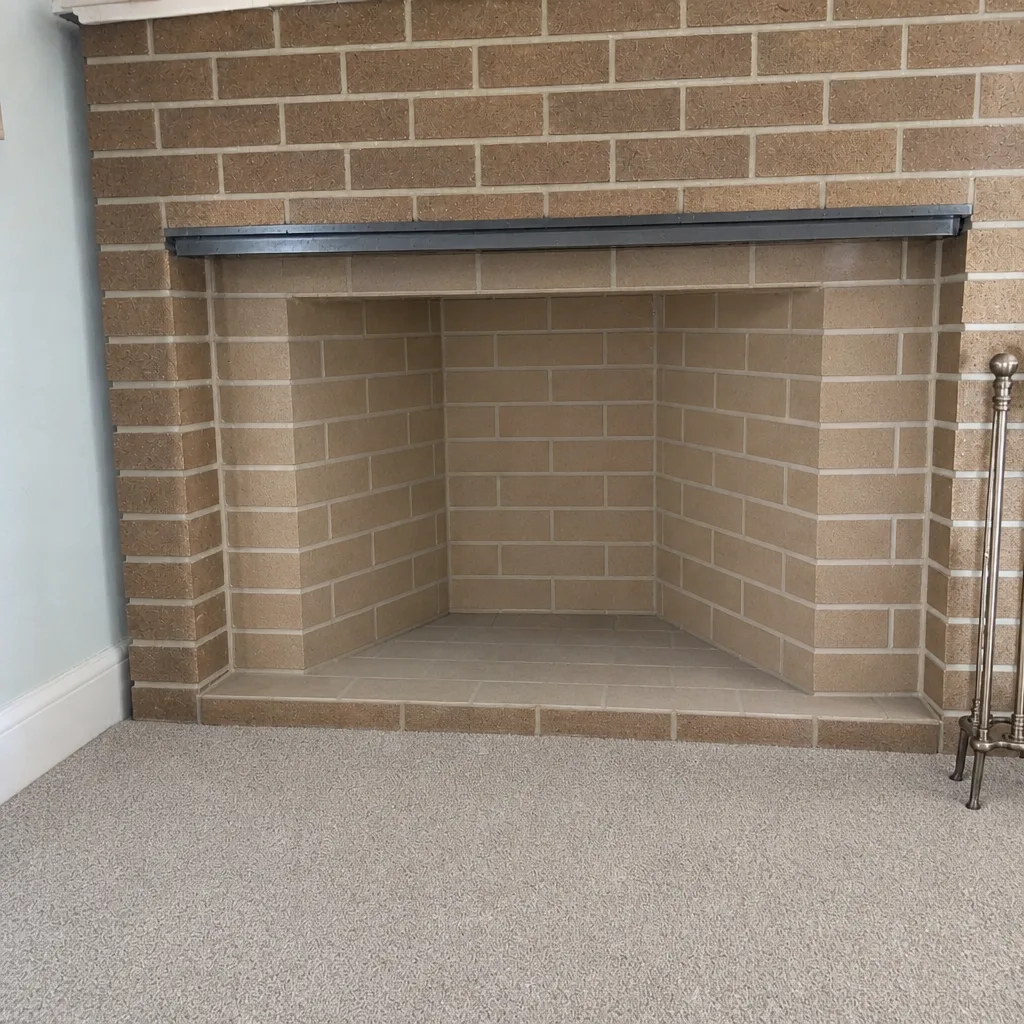
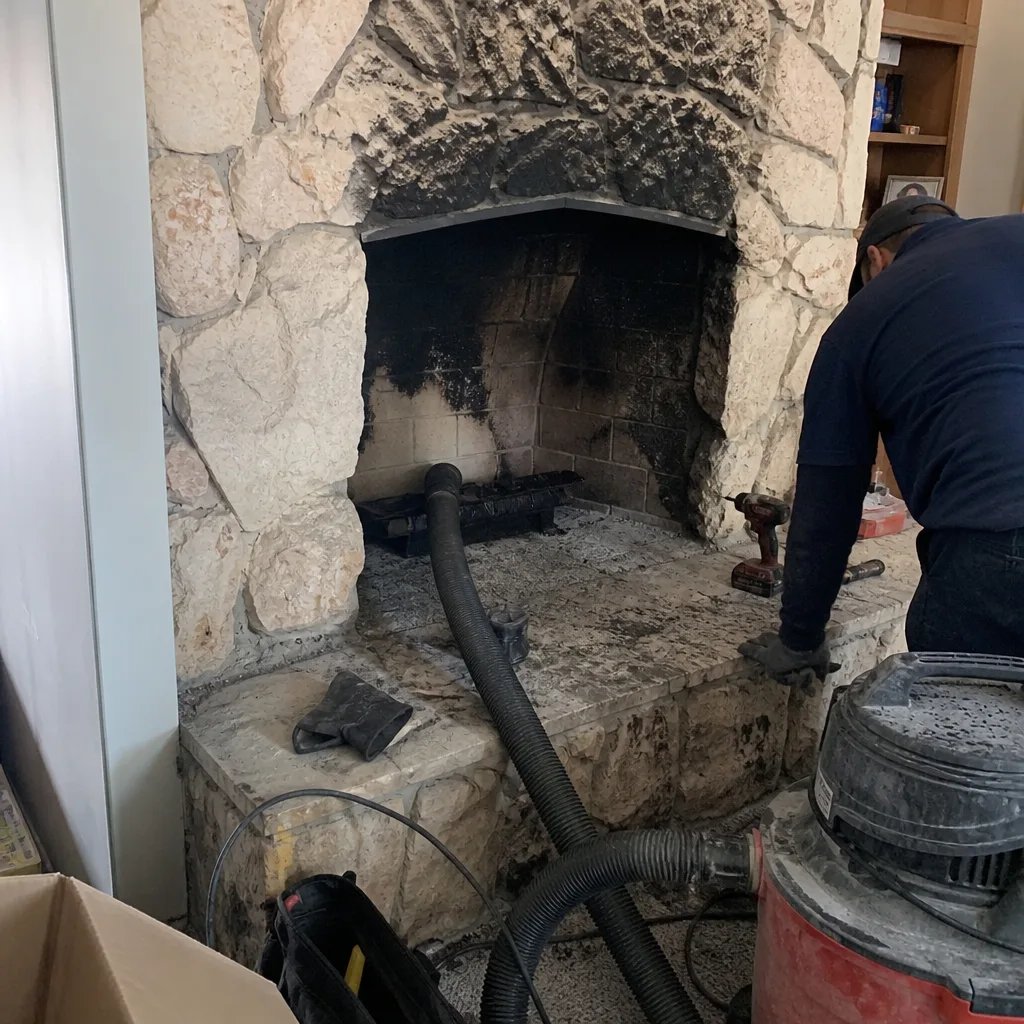
See the difference
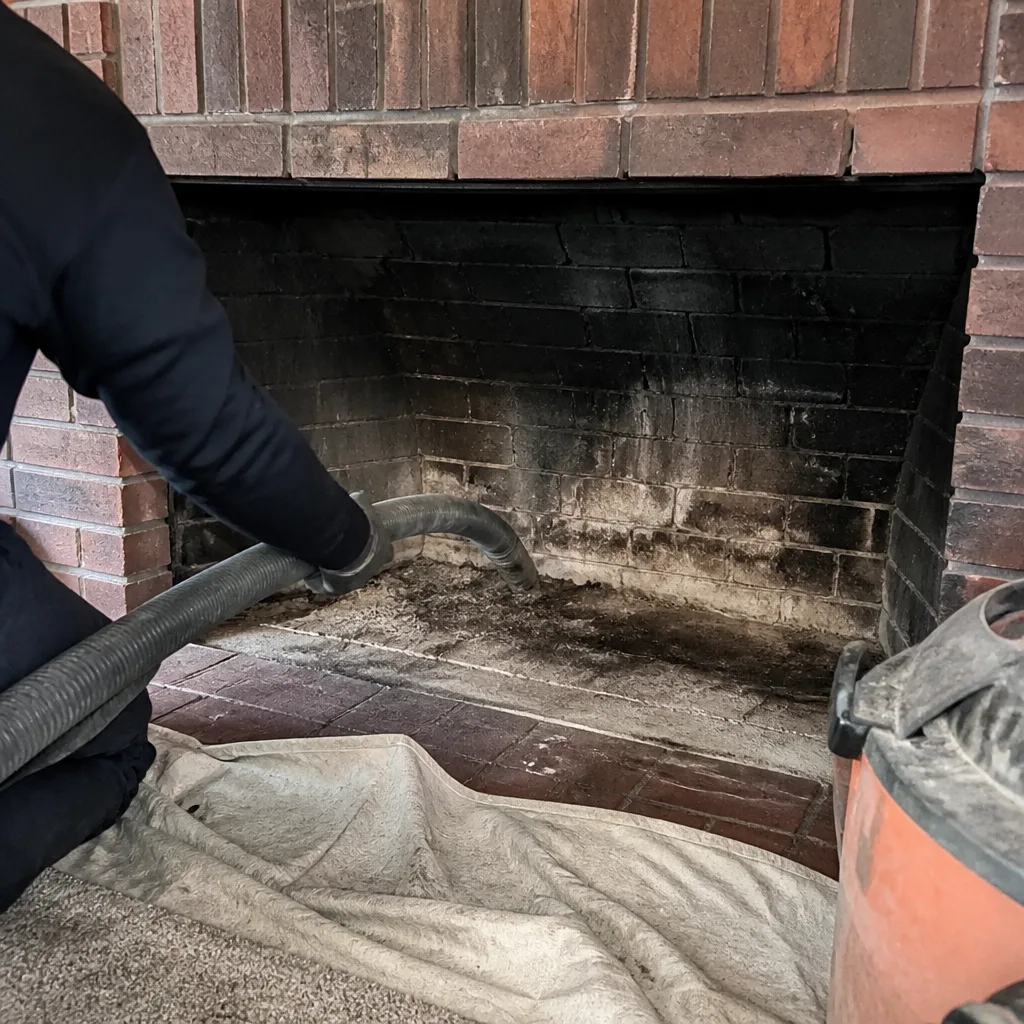 Before
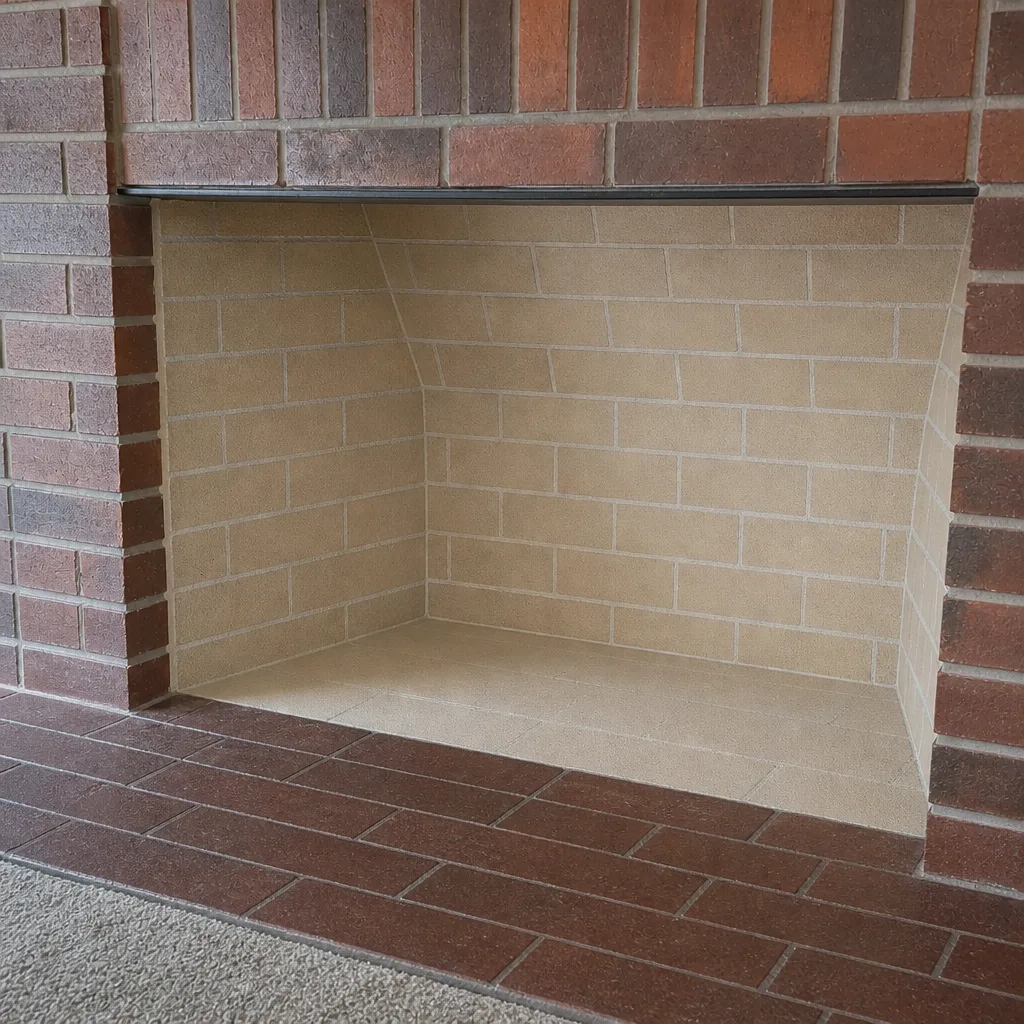 After
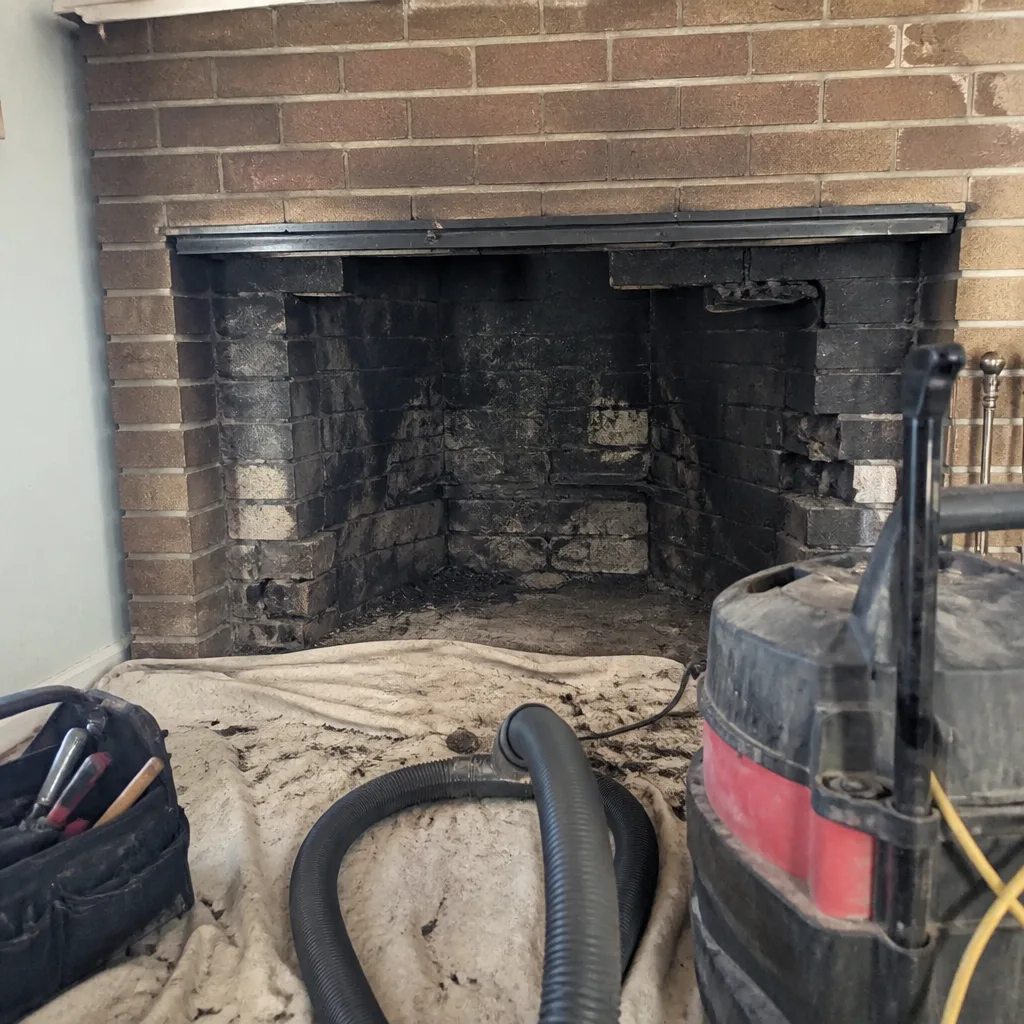 Before
 After
 Before
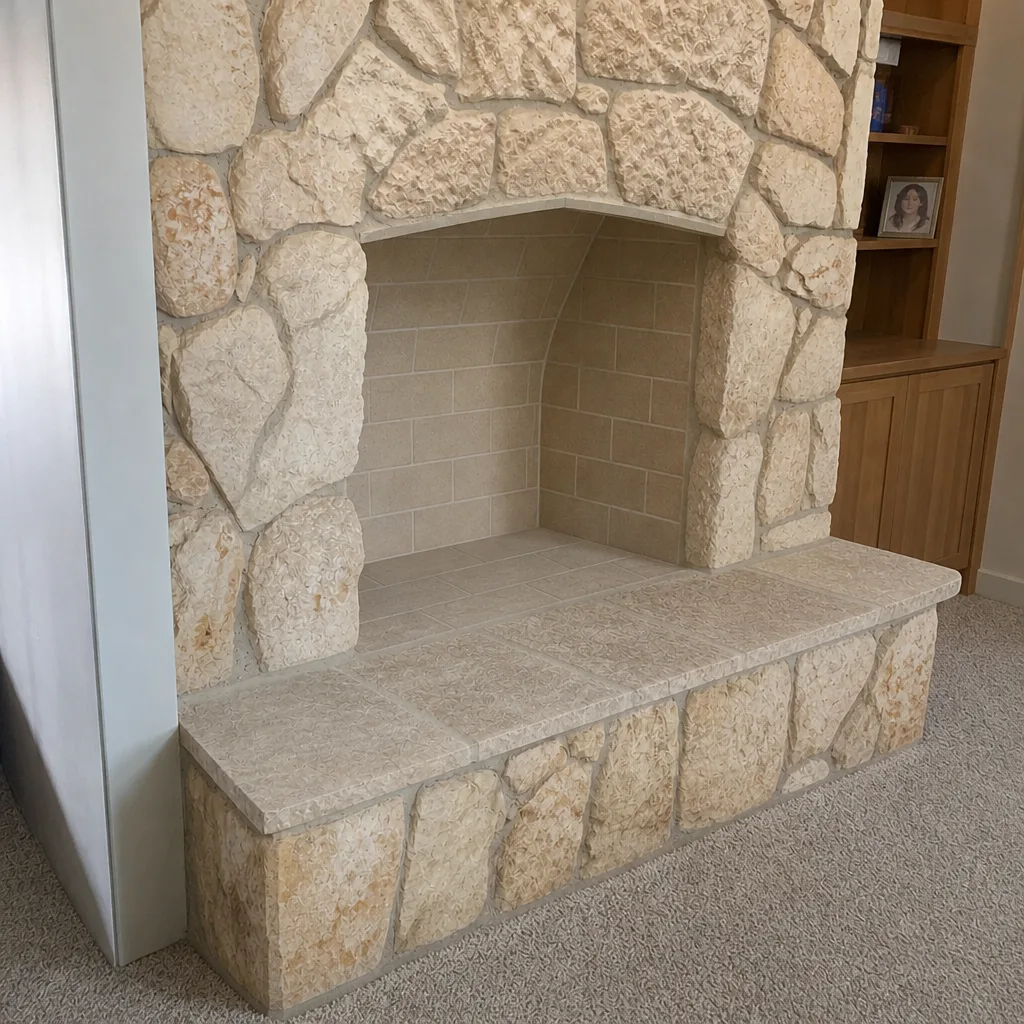 After
When to Call a Professional
Call a professional if you’re buying or selling a home and the chimney has no inspection documentation. Call if your insurer has asked for proof the system is up to code. Call if you’ve noticed smoke backing into the room, a strong creosote smell, cracking in the masonry, or a liner that was installed by someone whose name you can’t find on a permit. Call if you’re planning a reline, a stove replacement, or a chimney rebuild, before the work starts, so the permit and inspection are handled correctly. Call if it’s been more than a year since your last cleaning and you burn wood regularly. Blackwell Chimney Sweep offers free estimates in West Valley City. Call (855) 629-7505. We answer 24/7. Fast dispatch from 7am to 7pm, Sunday through Friday.
Frequently Asked Questions
No. Routine chimney cleaning does not require a permit in West Valley City or anywhere in Utah, because sweeping is maintenance rather than construction. Repair work that changes the vent system or the chimney structure, such as relining or rebuilding, generally does require a permit. Call (855) 629-7505 for an exact quote on a cleaning or an inspection, estimates are free.
Usually, yes. Relining a flue changes the vent system, which is construction work under Utah’s adopted building code, and West Valley City’s building department administers that permit locally. The licensed contractor pulls it, and the closed permit becomes your documentation that the work met code. If a contractor tells you a reline doesn’t need a permit, get a second opinion. Call (855) 629-7505 to talk through your circumstances.
A Level 2 inspection is a documented inspection of the accessible interior flue surfaces and components, with a camera and a written report. You typically need one for a home sale, after a chimney fire or other event, or whenever the appliance or vent system changes. A routine cleaning includes a Level 1 visual check, which is not the same thing. Call (855) 629-7505 to book the right level of inspection for your situation.
The work still exists, but there’s no record that it met code, and that gap shows up at resale and during insurance claims. A buyer’s inspector flags it, an insurer questions it, and the homeowner ends up proving compliance after the fact. It’s far less expensive to permit the work correctly the first time. Call (855) 629-7505 for an estimate that includes the permit scope.
Utah allows an owner-builder permit for work on your own primary residence, but for chimney and venting systems this is rarely a good idea. The permit needs to reflect the vent sizing, clearances, and termination height correctly, and those are the things the installer is trained to get right. Leave the permit to the licensed contractor who does the work. Call (855) 629-7505 to ask how we handle it.
Sweep a wood-burning chimney at least once a year, and more often if you burn heavily through the winter. Utah’s long heating season means many West Valley City fireplaces run daily for months, which builds creosote faster than a mild climate would. If you burn a cord or more a season, an annual cleaning with an inspection is the floor, not the ceiling. Call (855) 629-7505 to book a sweep and inspection.
The Bottom Line
Cleaning doesn’t need a permit. Repair usually does. That one-line distinction is the whole guide, and it’s the difference between a chimney system you can prove is safe and one you hope is. In West Valley City, permits run through the city’s building department on top of Utah’s adopted code, and a closed permit is the documentation a buyer, an insurer, or a warranty claim will ask for. Get the inspection done early, get the scope in writing, and know which level of inspection your situation calls for. Sweep, inspect, repair, all handled by one trade-focused team. Call (855) 629-7505 for a free estimate. We answer 24/7. Fast dispatch from 7am to 7pm, Sunday through Friday.
Written by the team at Blackwell Chimney Sweep.