
Last updated November 16, 2026
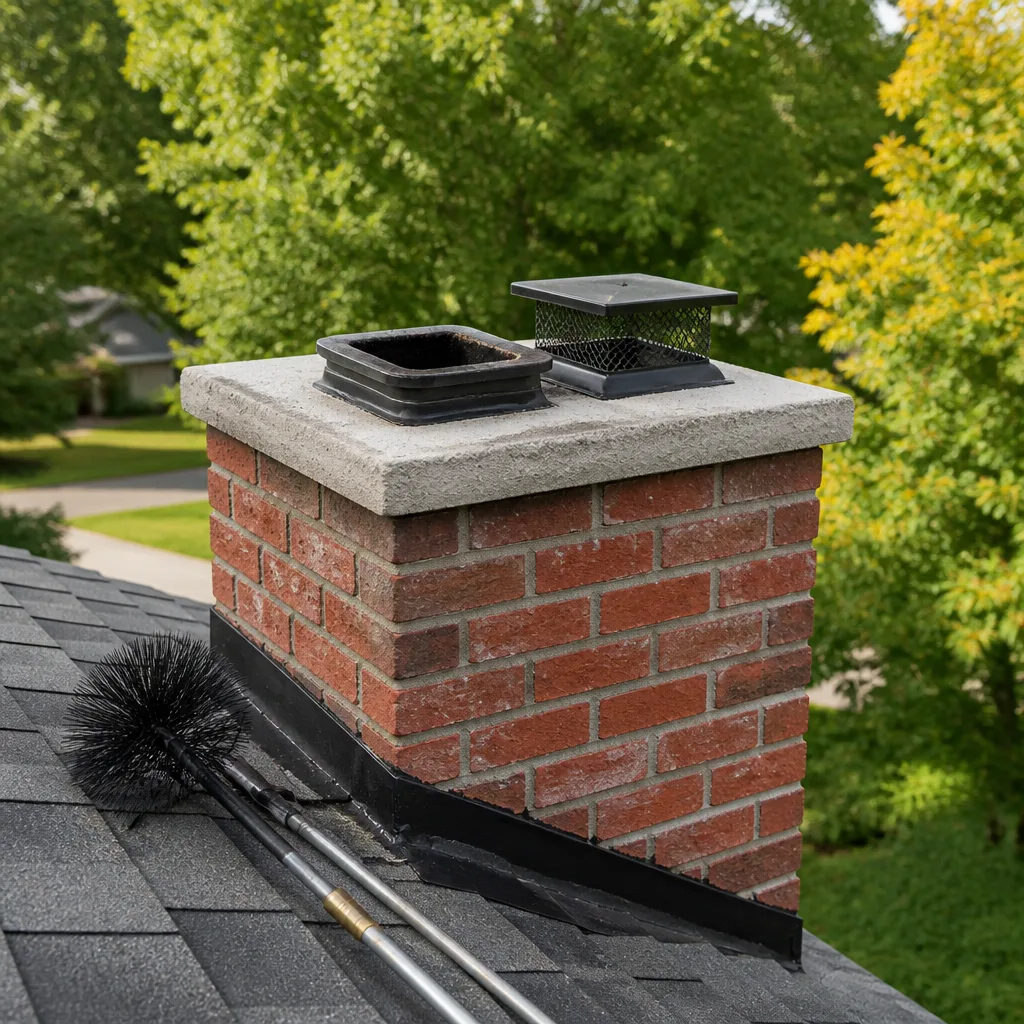 Sweep & inspection
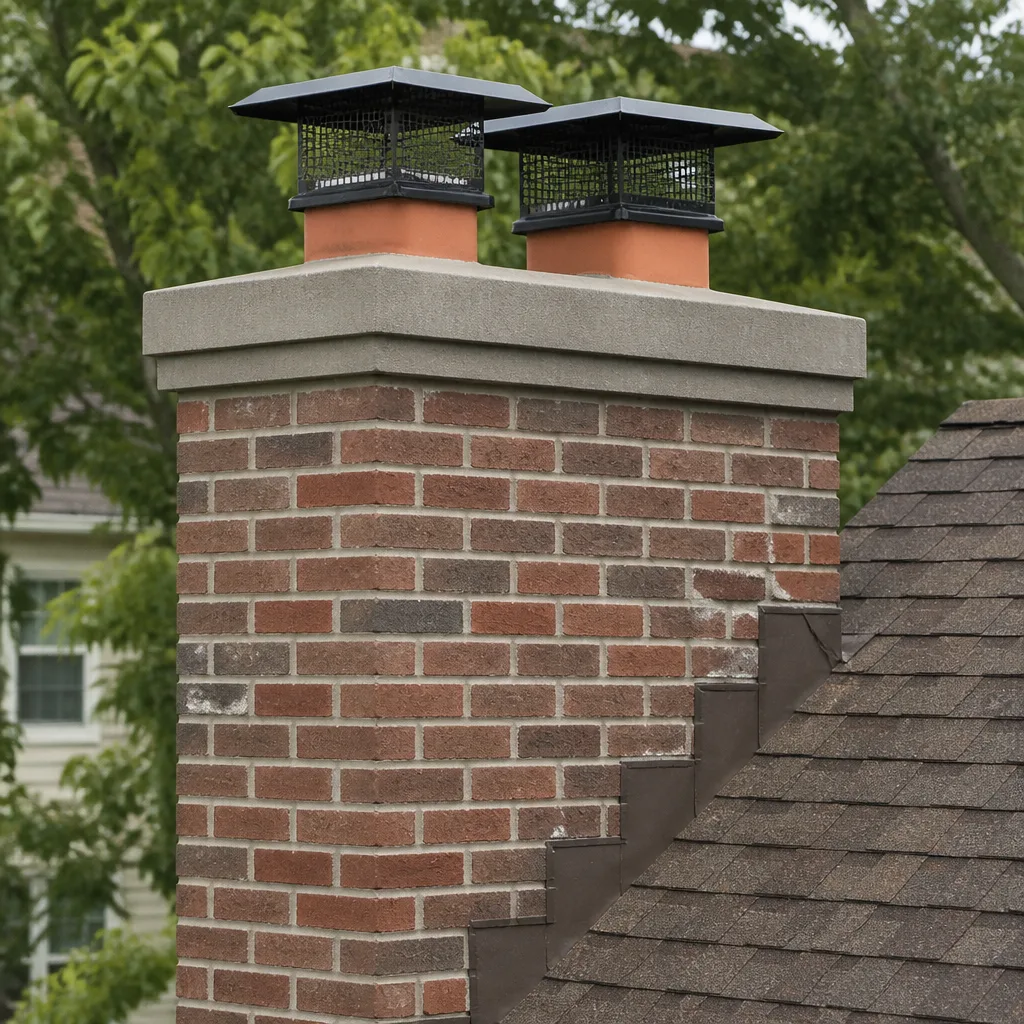 Caps & crowns
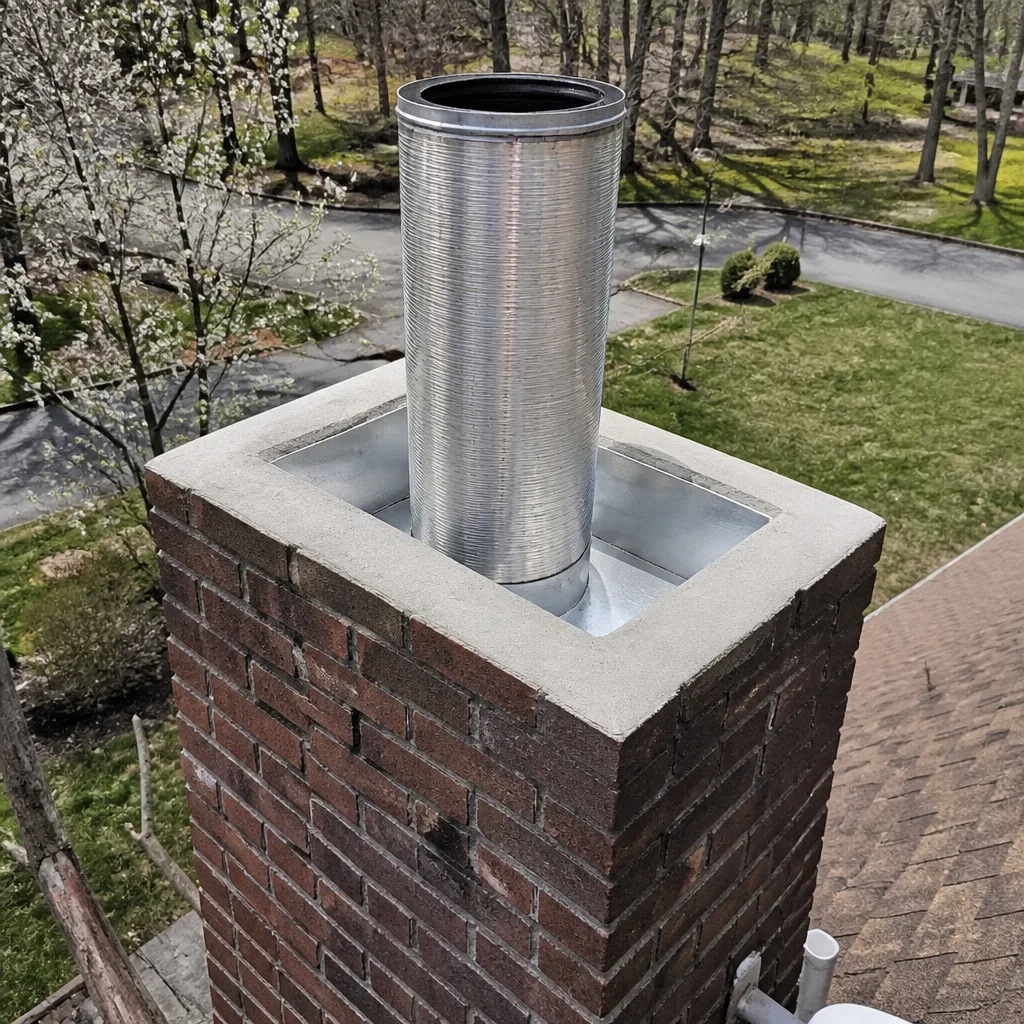 Flue relining
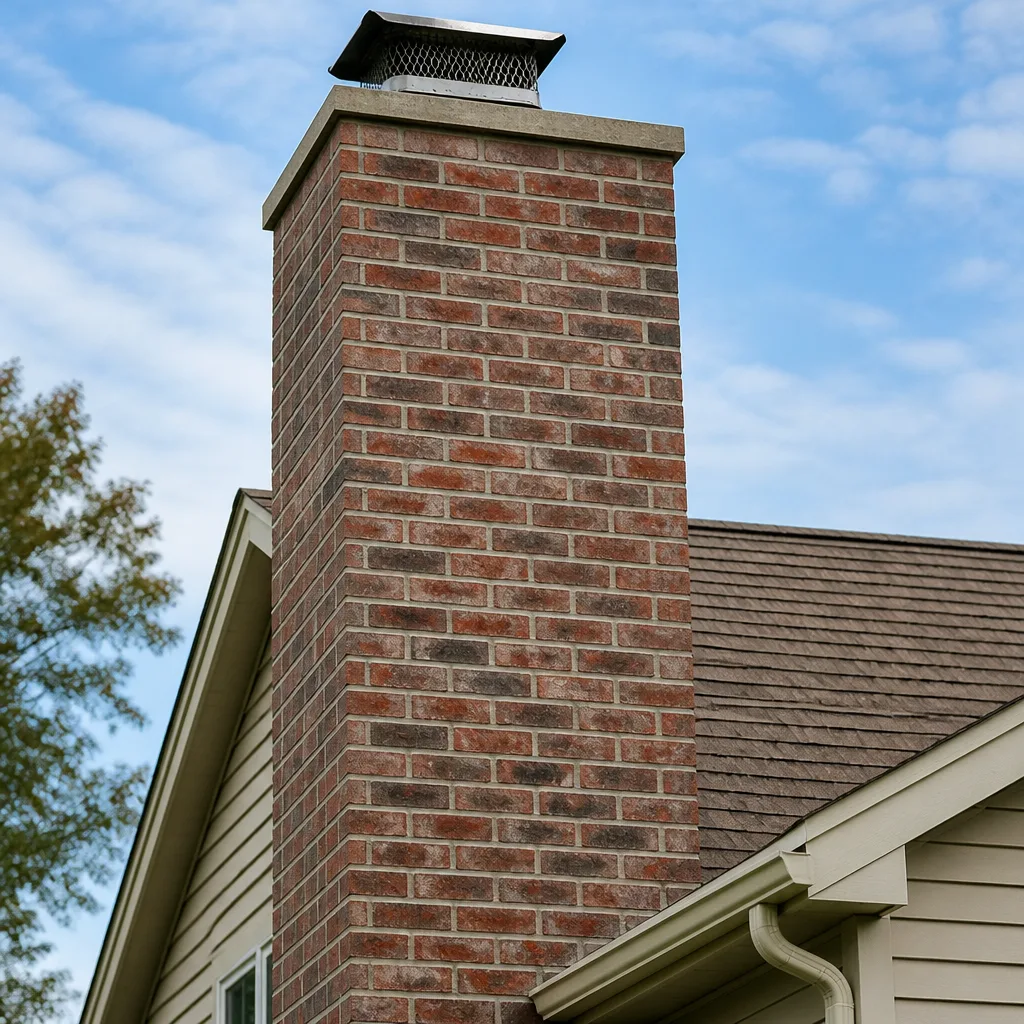 Masonry repair
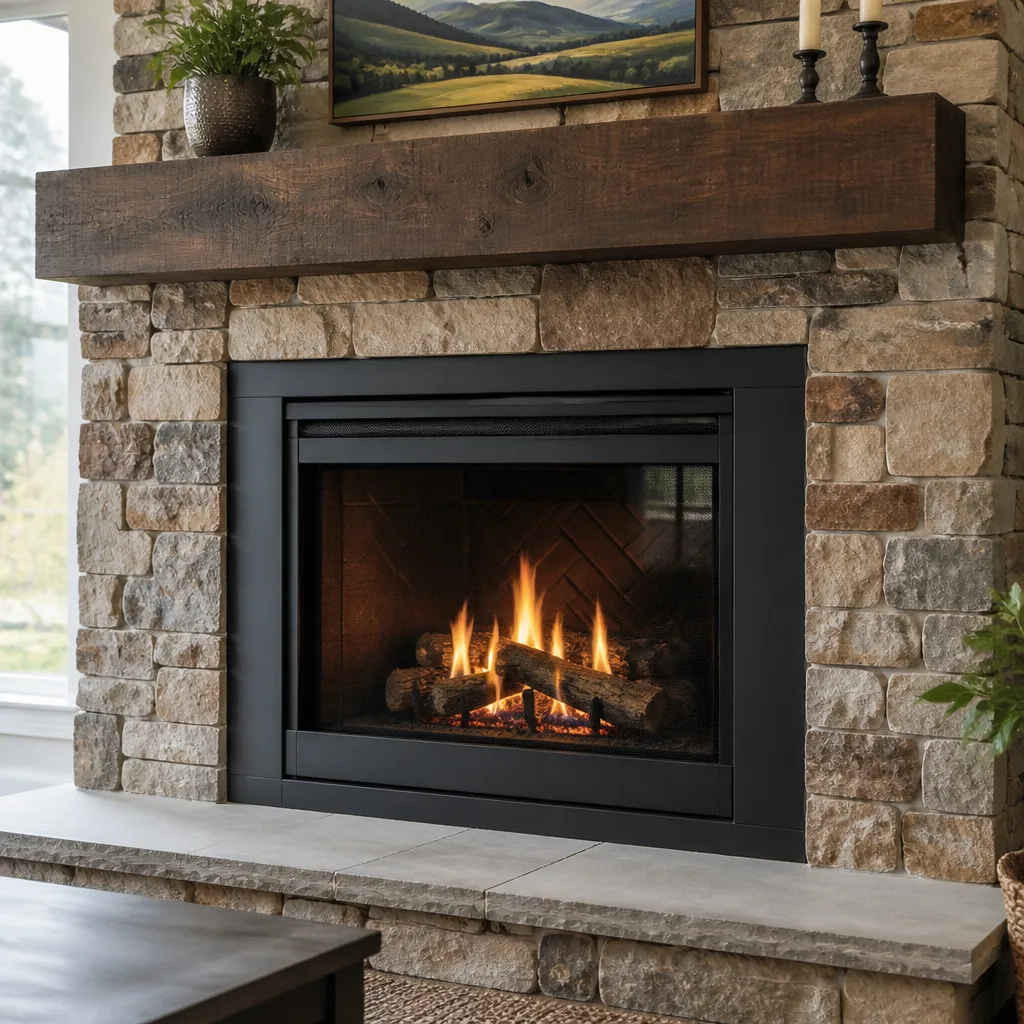 Gas fireplace service
Level 1 sweep and inspection to the NFPA 211 annual standard - flue, crown, cap, and flashing checked and photographed
Chimney sweep logs do not sweep chimneys. They loosen some creosote - which then falls where a brush and vacuum still have to collect it.
Chimney Cleaning Warning Signs: A West Valley City Homeowner’s Reference Guide
Most homeowners assume a chimney problem announces itself with smoke rolling into the room. It usually doesn’t. The genuinely dangerous signals are quieter: a chalky white stain on the outside of the brick, a hairline crack in the crown, a faint creosote smell in a living room with no fire burning. These are the indicators West Valley City homeowners walk past for months, sometimes years, until a chimney fire or a carbon monoxide alarm forces the issue. This guide focuses on those overlooked signs. You’ll learn what each one means structurally, how to read your own fireplace between sweeps, and how to decide which problems mean stop using the chimney today and which can wait for a scheduled visit.
Quick Answer
A chimney needs attention when you see efflorescence, spalling brick, a cracked crown, a rusted or missing cap, black oily staining above the firebox, a damaged damper, a creosote smell indoors without a fire, sluggish draft, or repeated smoke rollout. A carbon monoxide alarm near the chimney should always trigger an inspection. Signs of active deterioration mean stop using the chimney now; cosmetic signals can typically be scheduled within 30 days.
Styles & brands we work with
- Sweep & inspection
- Caps & crowns
- Flue relining
- Masonry repair
- Gas fireplace service
Table of Contents
- Why the Most Dangerous Chimney Warnings Are the Quietest
- Exterior Warning Signs: What Your Brick and Cap Are Telling You
- Interior Warning Signs Around the Firebox and Damper
- Performance Warning Signs During Use
- Carbon Monoxide as a Chimney Symptom
- How to Triage Urgency: Stop Today vs. Schedule Within 30 Days
- Why West Valley City Chimneys See These Signals Early
- When the Signs Point to a Professional Visit
Why the Most Dangerous Chimney Warnings Are the Quietest
A chimney is a system built to move heat, smoke, and moisture out of a house while keeping all three away from anything that can burn. When that system starts failing, it rarely fails all at once. It decays in ways that are easy to dismiss: a stain here, a bit of loose mortar there, a draft that feels weaker than last winter. Nothing looks alarming until the day it is.
That gap between “looks fine” and “is fine” is where real chimney fires start. Creosote, the oily residue that builds up inside a flue from wood smoke, ignites at a relatively low temperature once it has accumulated enough. A slow-burning fire can reach that temperature without any visible smoke or drama in the room. The homeowner thinks the fire is behaving. The flue is not.
In our experience, homeowners in West Valley City tend to notice performance signals before they notice structural ones. They notice the smoke rolling out into the room. They rarely notice the white stain on the outside of the chimney or the subtle rust on the cap. Those are the signs this guide prioritizes, because they are the ones that indicate moisture, deterioration, or failed components before anything visible goes wrong with a fire.
Here’s the practical difference: a performance problem you can feel from the couch is a sign to schedule a visit. A structural problem you can see from the driveway or the roof line is a sign to take seriously right now, even if the fire still burns fine. This guide walks through the exterior, interior, and performance signals in order, then explains how to triage what you find.
Exterior Warning Signs: What Your Brick and Cap Are Telling You
The outside of a chimney takes the most weather and shows the most telltale evidence. Walk the outside of the house once a season with a critical eye. You’re looking for four specific signals, each of which points to a different structural issue.
1. White Staining (Efflorescence)
A chalky white stain running down the brick or mortar is not cosmetic. That’s efflorescence, mineral salts being pushed out through the masonry by water moving through it. Water gets into the brick and mortar, dissolves salts, then migrates outward and leaves them on the surface. The stain itself is harmless. What it means is not: your chimney is absorbing and holding moisture where it shouldn’t. Moisture in masonry combined with fire inside a flue is a slow recipe for spalling, cracking, and eventual structural failure. Efflorescence is one of the earliest signs that water is bypassing the cap or flashing and getting into the chimney body.
2. Spalling Brick and Crumbling Mortar
Spalling is brick that has started flaking or popping off in layers. Once water has worked into the brick and then frozen or expanded, the face of the brick breaks away. Look for missing corners, powdery surfaces, or brick faces lying on the roof or ground. Crumbling mortar joints go with it. Both are signs the chimney’s outer structure is losing integrity, which reduces its ability to protect the flue inside.
3. Crown Cracking
The crown is the sloped concrete cap at the very top of the chimney. Its job is to shed water away from the flue. When it develops cracks, hairline or larger, water runs straight down into the flue instead of off the sides. A cracked crown is one of the most common hidden causes of water coming into a chimney, and it’s one of the quickest repairs to bring the structure back into working order. Cracked crowns are also a strong sign to schedule a full inspection, since the water has likely been getting in for a while.
4. A Rusted, Missing, or Damaged Cap
The chimney cap sits over the top of the flue and does two jobs: it keeps rain and animals out, and it keeps sparks in. A rusted, bent, missing, or incorrectly sized cap is a real problem. If it’s missing, rain goes straight into the flue, which accelerates creosote corrosion and masonry damage. If it’s rusted through, the flue is exposed. Replacing the cap with a properly sized, professional-grade unit is straightforward and one of the highest-value fixes on any chimney. We use Gelco and Famco chimney caps because they hold up to sun and freeze cycles far better than the big-box substitutes.
Interior Warning Signs Around the Firebox and Damper
The inside of the fireplace tells a different story than the outside. This is where you find signs of how the chimney is actually being used and what’s building up inside the flue. Check these between fires, with a flashlight, at the start of every heating season.
Black Oily Staining Above the Firebox
Black staining on the brick face above the firebox is normal in small amounts. Heavy, oily, glassy black staining is not. That’s dense creosote that has condensed on the smoke shelf and the brick face because the fire is not burning hot or clean enough to carry it up and out. Glazed creosote is the most flammable form, and once it’s on the smoke shelf and lower flue it’s hard for a homeowner to see how far up it goes. Sweeping removes it. If the staining keeps coming back aggressively after a sweep, that’s a sign to look at burning habits and draft, not just to sweep more often.
A Damaged or Stuck Damper
The damper is the metal door at the top of the firebox that controls airflow up the chimney. Over time, the damper plate warps from heat, the pivot rusts, or the frame cracks. A damper that won’t open fully restricts draft and pushes smoke back into the room. A damper stuck open all year lets warm air escape and cold air in, and it lets water in through the flue. Check that it moves freely and seats properly. A damaged damper usually needs repair or replacement, not just adjustment.
The Smell of Creosote Indoors With No Fire Burning
This is one of the most consistently overlooked interior signals. If you smell creosote, chimney, or smoky odor in the room on a day when no fire is burning, the chimney is moving air the wrong way. That can happen when the flue is too cold, when the house is negative-pressure, when the flue is blocked or heavily fouled, or when the smoke chamber has backed up. Even if no fire is burning, that smell means the chimney is not sealed and drafting correctly. It’s a strong reason to have the chimney inspected before you light the next fire.
Performance Warning Signs During Use
Performance signals are the ones homeowners actually notice, and they’re the reason most calls come in. The fireplace does something obvious: it smokes, it smokes back, it fights, or it dies. Here’s what each behavior usually means.
Sluggish Draft
Draft is the pull of air up the flue. A healthy chimney drafts firmly when the fire is going. A sluggish chimney has a weak, wandering, or inconsistent pull, which you feel as a fire that’s hard to get going or one that runs inconsistently. Sluggish draft has several causes: a cold flue, an oversized flue relative to the firebox, a flue that’s blocked or heavily fouled, a house that’s too tight, or a cap that’s too restrictive. Sluggish draft is one of the reason-why signals that points to a full inspection, not just a sweep.
Excessive Smoke Rollout
A little smoke on light-up is normal as the flue warms. Significant smoke rolling into the room every time you use the fireplace is a performance problem worth diagnosing. It can mean the flue is partially blocked by creosote or a nest, the firebox-to-flue transition is defective, or the smoke chamber above the damper has an issue. Smoke rollout is a health-and-comfort problem, not just a nuisance: it moves combustion byproducts into your living space. See how the smoke behaves over several fires before you decide to keep going.
Fires That Are Hard to Establish or Sustain
A fire that takes three attempts to catch, smolders, won’t maintain flame, or dies out faster than it should is a warning sign. A well-drafted chimney lets a fire catch quickly, hold heat, and burn down cleanly. If yours doesn’t, the chimney’s ability to pull air is compromised somewhere. In our experience, this is the most common performance signal West Valley City homeowners report in the fall, when the outside air is cool and the house isn’t fully warmed through. It’s the moment to sweep and inspect before the burning season fully starts.
Visible Damage Inside the Firebox
Cracked firebrick, loose mortar joints inside the firebox, or warped metal components are all signs the fireplace has been running hot or has settled. Firebrick cracks let heat reach the brick behind it, which can compromise the firebox structure. Loose mortar inside the firebox needs repointing with the right high-temperature material. This is where we get called to repair work that a sweep alone would have missed, and where we use HeatShield on the firebox and smoke chamber surfaces when the issue is surface deterioration rather than full relining.
Carbon Monoxide as a Chimney Symptom
A carbon monoxide alarm going off near a fireplace should be treated as a chimney warning first, not a battery or device problem. CO is a combustion byproduct. In a house with a wood-burning fireplace, wood stove, or gas appliance vented through the chimney, a CO event is almost always a sign that the chimney is not venting combustion gases out of the house the way it should. The alarm is doing exactly its job: telling you the venting path has failed somewhere.
The venting path fails for a handful of predictable reasons. The flue is blocked by a nest, creosote, or a collapsed liner. The flue has cracks or gaps that let gas escape into the house. The liner is disconnected from the appliance. The house has gone negative-pressure because of exhaust fans, and the chimney can no longer counteract it. Or the damper is closed or nearly closed while a fire or appliance runs. Each of these is a chimney problem, and each requires a technician to inspect the flue and venting, not just replace a detector.
Here’s what to do if a CO alarm sounds near the fireplace:
- Get everyone out of the house and call the fire department from outside. CO exposure is a medical issue, not a maintenance issue.
- Do not relight the fireplace, wood stove, or any appliance vented through the chimney until it has been inspected.
- Once the home is safe, book a chimney inspection. We look at the flue, the liner connection, the smoke chamber, the cap, and the appliance venting as one system.
- If inspection shows a damaged or cracked liner, we discontinue use until the liner is repaired or relined. We work with DuraFlex flexible liner systems, HeatShield ceramic resurfacing, and Olympia Chimney components, depending on what the flue needs.
- Ask us about the smoke chamber and the cap while we’re there. A failed cap or a cracked crown can let water in that accelerates a liner problem, and it’s worth fixing in the same visit.
CO alarms save lives precisely because they catch what the nose and the eyes cannot. Treat a CO event as a stop-and-inspect signal, not a fluke.
How to Triage Urgency: Stop Today vs. Schedule Within 30 Days
Not every warning sign means the same level of urgency. Some mean stop using the chimney now. Others mean schedule a visit within the next month, before your next fire. Here’s the split we use.
Stop Using the Chimney Now
- Any carbon monoxide alarm near the chimney, fireplace, stove, or venting system.
- Visible smoke rolling into the room on every fire.
- A smell of creosote or burning in the room when no fire is burning.
- Visible damage to the firebox that lets you see through a crack or loose joint.
- Spalling brick actively falling off the chimney body.
- A cap or crown that has come loose, broken, or gone missing after a storm.
- A damper that is stuck or that you can’t operate at all.
Stop means stop: no more fires, no more using the appliance, and a call to schedule an inspection.
Schedule Within 30 Days
- Efflorescence on the exterior brick or mortar.
- Light-to-moderate creosote staining above the firebox after a season of use.
- A fire that is hard to establish but not smoking back.
- A crown with hairline cracks that aren’t yet spalling.
- A cap that’s rusted but still seated.
- An annual or pre-season sweep that’s due.
Thirty-day signs are not emergencies, but they aren’t cosmetic either. They’re signs that the chimney is aging or working harder than it should, and taking care of them now is what keeps the “stop today” list from becoming a reality.
What to Do Before Either Call
- Photograph what you see from the outside and inside, so the technician can compare what’s changed.
- Note when the sign appeared: this season, last winter, or as long as you can remember.
- Make a note of burning habits: how often you burn, what wood you burn, and how the fire behaves.
- Do not attempt to sweep, repair, or remove creosote yourself. Chimney work is a trained job, and the flue can be dangerous to work in.
- Call a chimney professional and describe what you’ve seen and photographed.
Why West Valley City Chimneys See These Signals Early
West Valley City sits in the Salt Lake Valley, where the weather swings hard between wet winters and dry, hot summers. That swing is tough on masonry. Water gets into brick and mortar during wet stretches, then freezes and thaws during the cold months, and that freeze-thaw cycle is what pushes spalling, cracking, and efflorescence to the surface. If you see a white stain on a West Valley City chimney in the spring, it’s a good bet the same chimney saw a hard freeze over the winter, and the crack in the crown is where the water got in.
The valley’s winter air patterns also make the performance signals in this guide more common. Winter inversions trap cold air in the valley, and a cold flue drafts weakly until the fire warms it. A chimney that already has sluggish draft will feel much worse on an inversion day. The same setup produces the smoke rollout and the “hard to get a fire going” complaints we hear most often. These aren’t new problems; the weather just amplifies them.
The other West Valley City factor is how the housing is built. Many homes in neighborhoods across the city were built with masonry chimneys and traditional fireplaces, and those chimneys are now old enough to show the signs in this guide. A masonry chimney that’s 20 or 30 years old is a candidate for a crown repair, cap replacement, and a full inspection even if nothing looks obviously wrong. We’re not bringing a maintenance plan to a house that doesn’t need one; we’re telling you what we found and what it means. If the chimney is fine, we say so.
What we do to fix the signs depends on the diagnosis. Surface deterioration in the smoke chamber or firebox often gets HeatShield ceramic resurfacing, a professional-tier repair that most general sweep companies don’t offer. Damaged flues get relined with DuraFlex flexible liner systems, which we’re authorized to install and work with. Caps and ventilation components come from Gelco and Famco. The parts come through Olympia Chimney and Copperfield supply lines, not improvised substitutes. Chimney work is what we do, and the right materials for the repair matter more than what happens to be available.
When the Signs Point to a Professional Visit
The line between “I can handle this” and “call someone” is easier than it sounds. If you see any exterior structural sign (efflorescence, spalling, a cracked crown, a damaged cap) or any stop-today sign on the list above, it’s time for a professional. Chimney work involves heights, confined flue work, and reading creosote and draft behavior that only trained eyes see accurately. It also involves the products: a proper flue repair, reline, or resurfacing needs the right professional-grade materials, which is why we use HeatShield, DuraFlex, Gelco, Famco, Olympia Chimney, and Copperfield components rather than big-box substitutes.
We’ll tell you what we found and what it means in plain language. Sweep, inspect, and repair happen in one visit, so you don’t need to coordinate a second contractor to finish what a cleaning started. If work can safely wait, we’ll tell you that too. That’s the whole point of an inspection: to give you evidence you can see, not a sales pitch. Blackwell Chimney Sweep offers free estimates in West Valley City. Call (855) 629-7505 to book an inspection or a pre-season sweep.
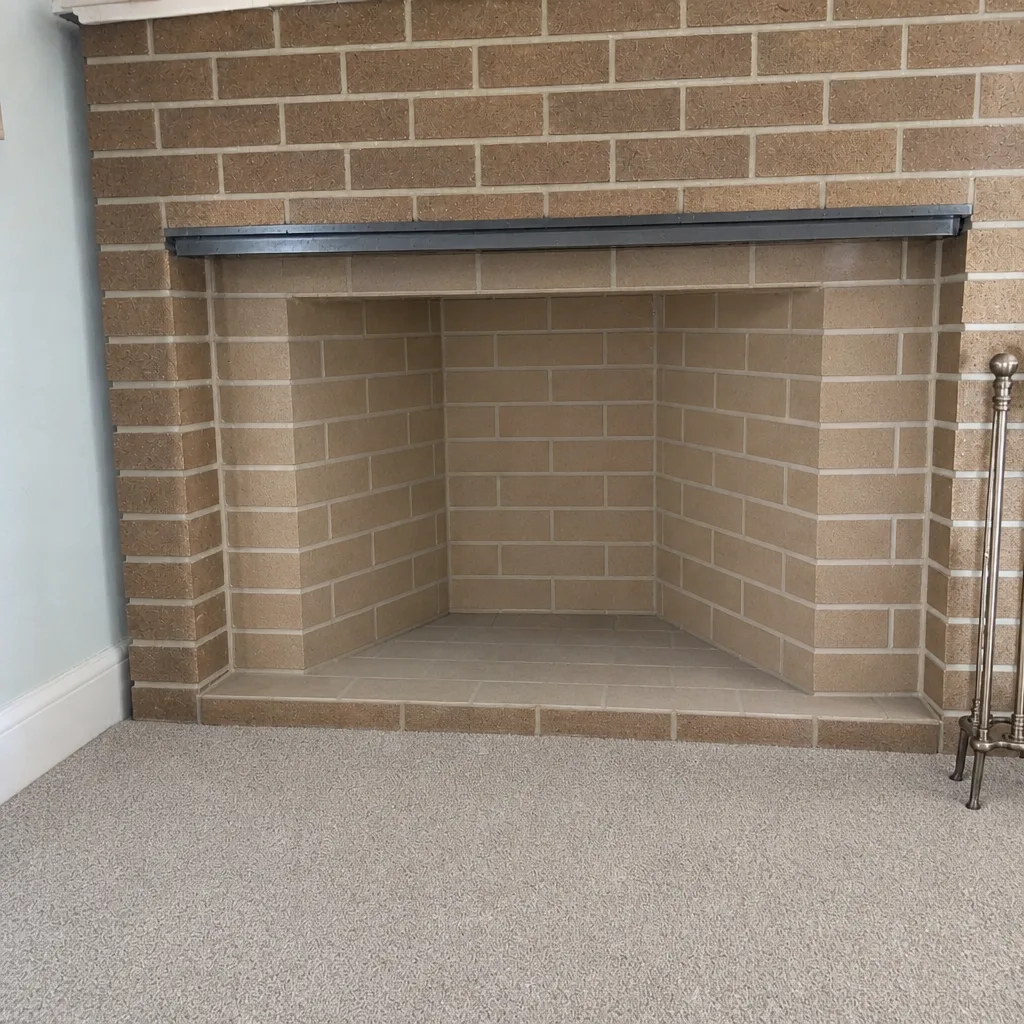
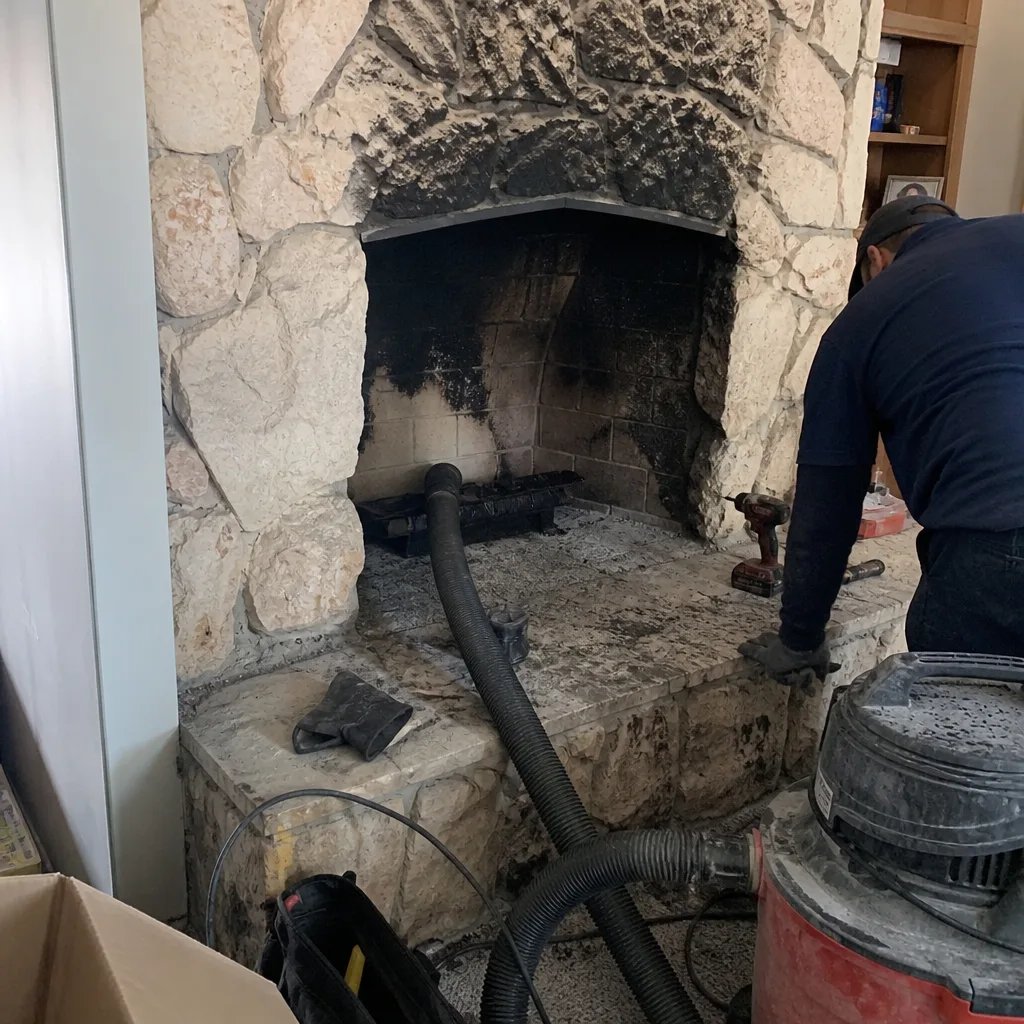
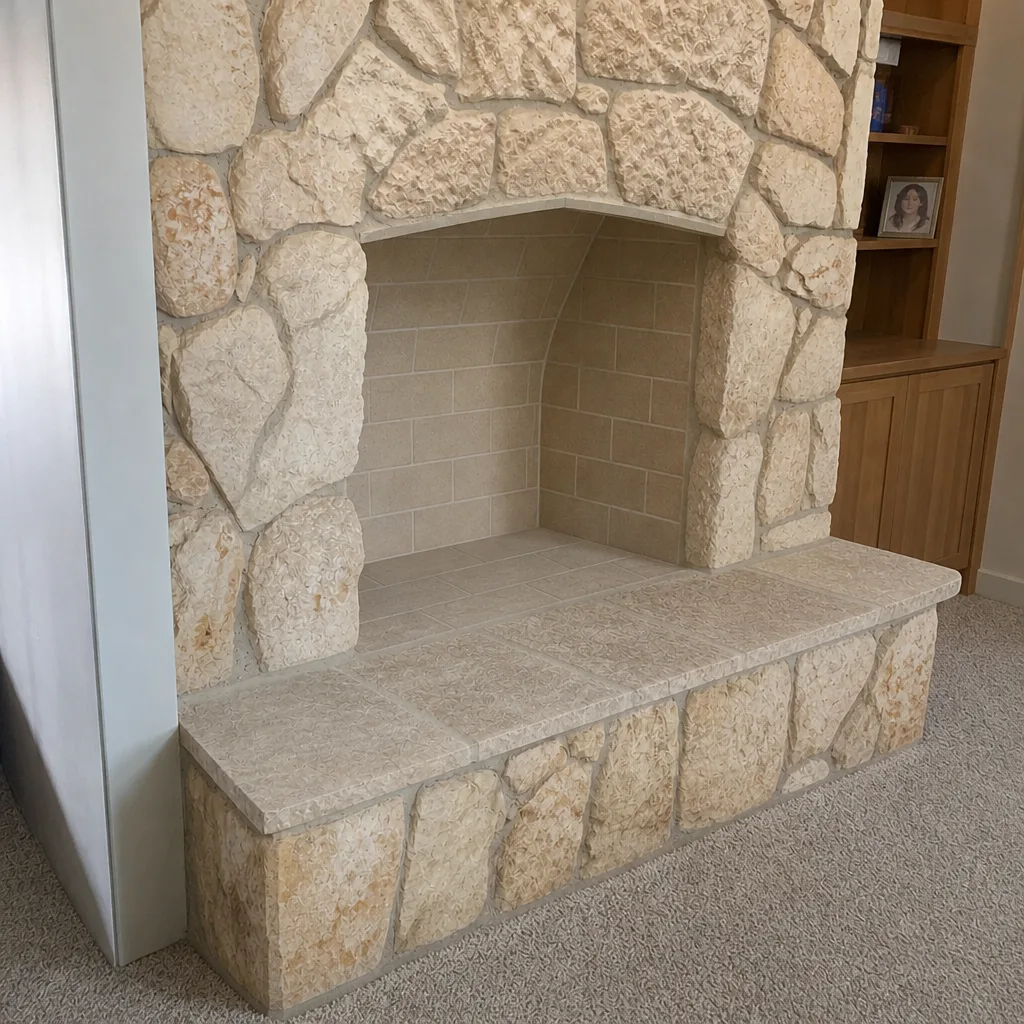
See the difference
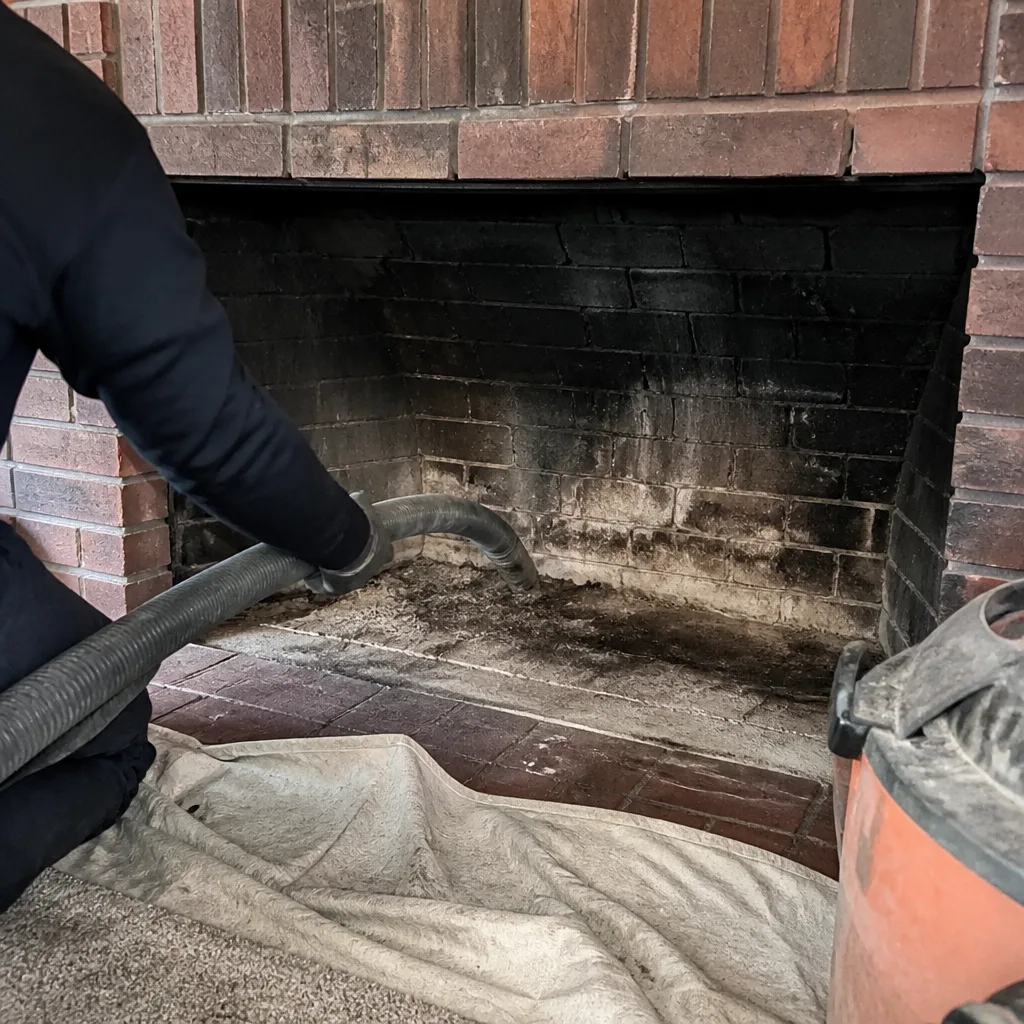 Before
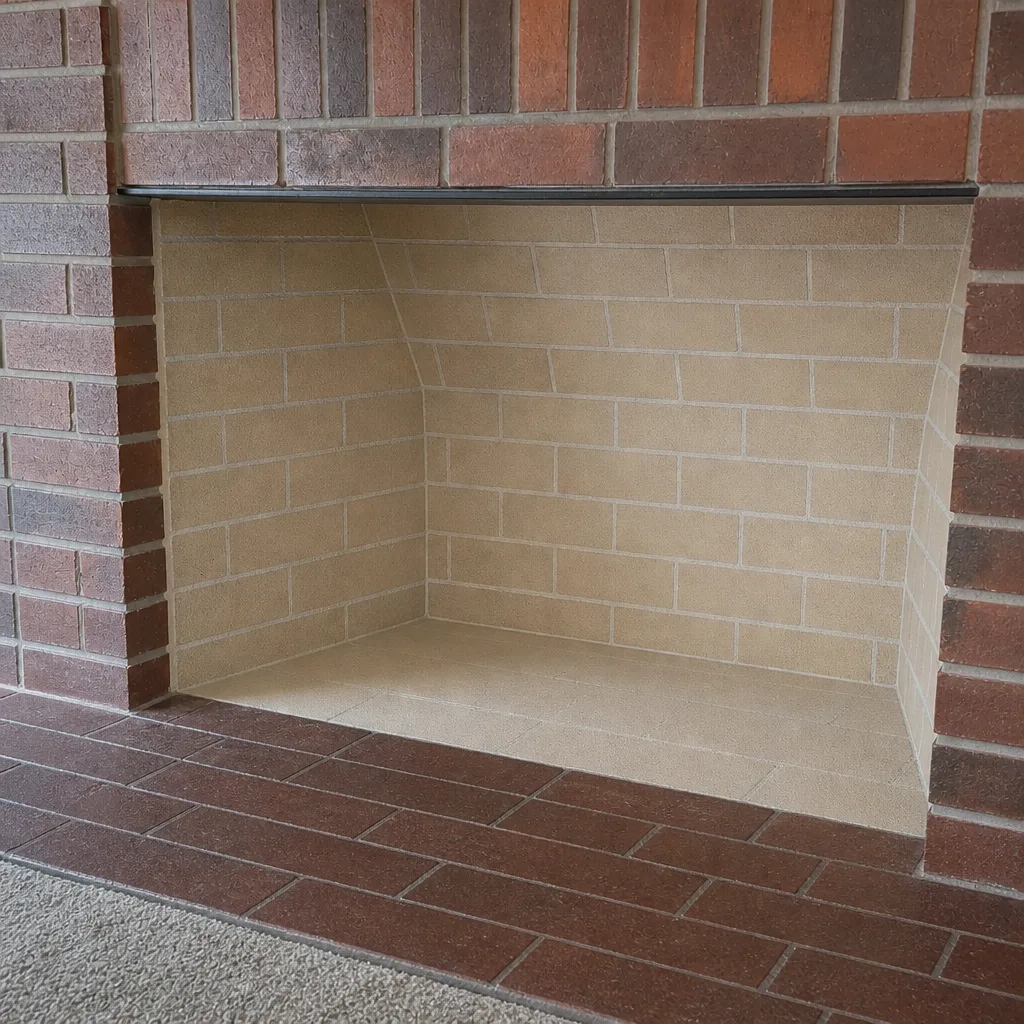 After
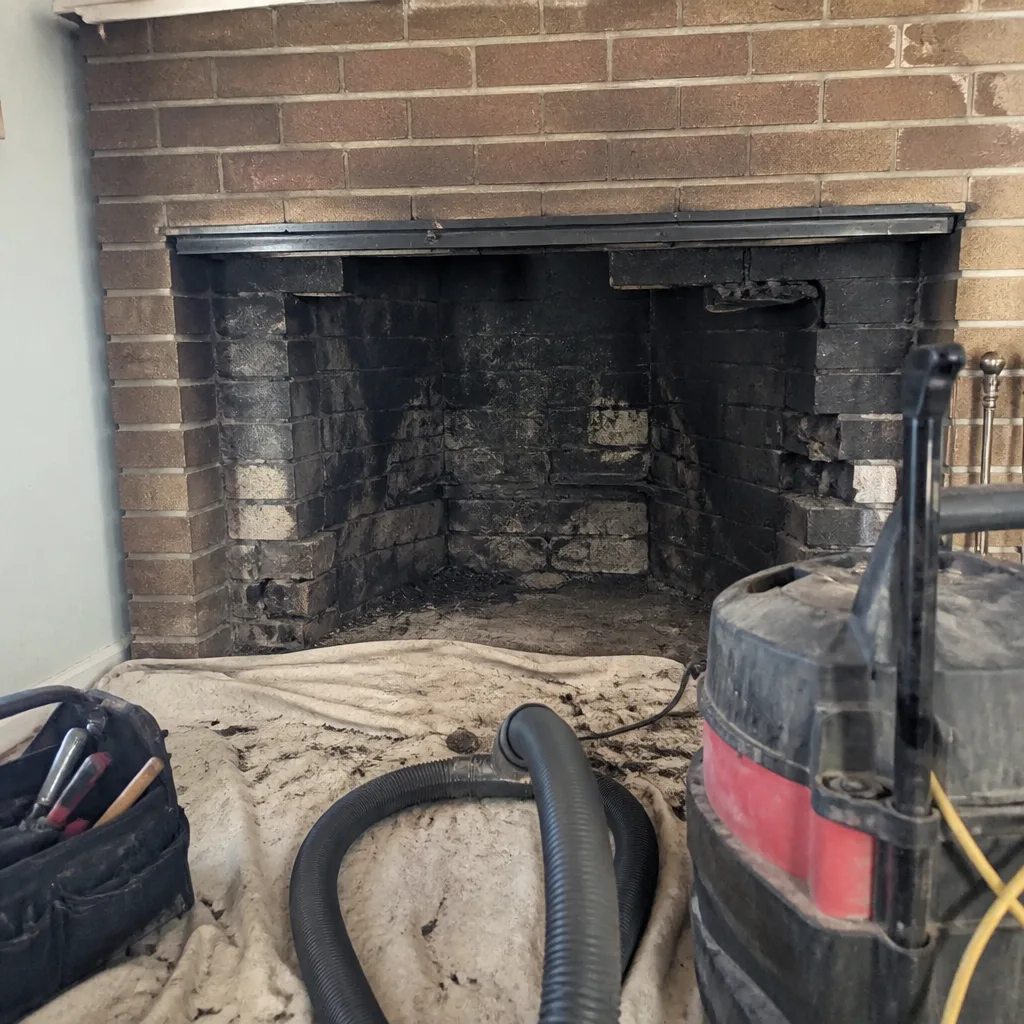 Before
 After
 Before
 After
Common Mistakes to Avoid
- Treating efflorescence as paint or dirt. A white stain on brick is a water signal, not a cosmetic one. Painting over it traps the moisture and makes the underlying problem worse.
- Waiting for smoke in the room to call. Smoke rollout is a late signal. The exterior and interior signs in this guide show up long before the fire misbehaves.
- Replacing a CO alarm and moving on. A CO event is a chimney symptom. Swapping the detector without inspecting the flue leaves the actual problem in place.
- Getting a cheap sweep with no inspection. A sweep removes creosote. It does not tell you whether the crown is cracked, the cap is rusted, or the liner is damaged. Sweep and inspect together.
- Skipping the annual sweep because “it’s been fine so far.” Chimneys in West Valley City see hard freeze-thaw and inversion cycles every year. Annual inspection is what catches the changes before they become structural.
- Putting a cheap cap on a chimney that needs the right one. A cap that doesn’t fit correctly, doesn’t seal, or rusts through in a season is a water problem waiting to happen. Gelco and Famco caps are built to hold up.
- Using more than one contractor to “finish the repair.” A sweep that finds a liner problem shouldn’t require you to find a second company for the repair. One visit, one crew, and one set of materials is the safer path.
Frequently Asked Questions
In our experience, the most common West Valley City warning signs are efflorescence on exterior brick, cracked crowns, rusted or missing caps, black oily staining above the firebox, and a fire that’s hard to establish. The reason these are common here is the valley’s freeze-thaw winters and inversion-driven draft problems. If you see any of them, it’s worth booking an inspection. Call (855) 629-7505 for a free estimate.
You don’t have to stop using the fireplace immediately for efflorescence alone, but you should schedule a professional visit within 30 days. Efflorescence means water is moving through the masonry, and that accelerates spalling and cracking over time. The real question is whether the water is also reaching the flue, which is what the inspection answers. Call (855) 629-7505 to book a visit.
A carbon monoxide alarm near your chimney means the venting path has failed somewhere and combustion gases are entering your home. That’s a chimney problem, not a detector problem. Don’t use the fireplace or appliance vented through the chimney until it’s inspected, and book a chimney inspection as soon as you can. Call (855) 629-7505 for a free estimate.
A sweep removes creosote and debris from the flue; an inspection evaluates the whole chimney system, including the crown, cap, flue, liner, and smoke chamber. Warning signs in this guide require an inspection, and often a sweep in the same visit. We do both together so you don’t need a second appointment. Call (855) 629-7505.
Annual sweeping and inspection before each burning season is the general rule for a chimney that sees regular use. In West Valley City, the freeze-thaw cycle and winter inversions make annual inspection especially worthwhile, since both make small issues worse. If your chimney sees heavy use or dry, resinous wood, the sweep may need to come more often. Call (855) 629-7505 to schedule.
No. Both are jobs for a chimney professional. Crown repair, cap replacement, and any liner or flue work involve heights, structural masonry, and product specs that need a trained eye and the right materials. We use HeatShield for surface repair and Gelco or Famco caps for replacements because those are the products that hold up. Call (855) 629-7505 for a free estimate.
The Bottom Line
The most dangerous chimney warning signs in West Valley City are the quiet ones: efflorescence, hairline crown cracks, a rusted cap, black staining above the firebox, a creosote smell with no fire burning, and any carbon monoxide alarm near the chimney. Stop using the chimney today if you see the stop-today signs; schedule a professional visit within 30 days for the rest. Sweep and inspection together catch what a sweep alone won’t, and in a valley with hard freeze-thaw and winter inversions, that annual visit is what keeps a working chimney working. Blackwell Chimney Sweep does chimney sweep, inspection, and chimney repair in one visit, so you can trust the diagnosis and get the fix without a second contractor. Our technicians have up to 14 years of experience with the professional-grade materials this trade relies on. Call (855) 629-7505. We answer 24/7. Fast dispatch from 7am to 7pm, Sunday through Friday.
Written by the team at Blackwell Chimney Sweep.